Online Reporter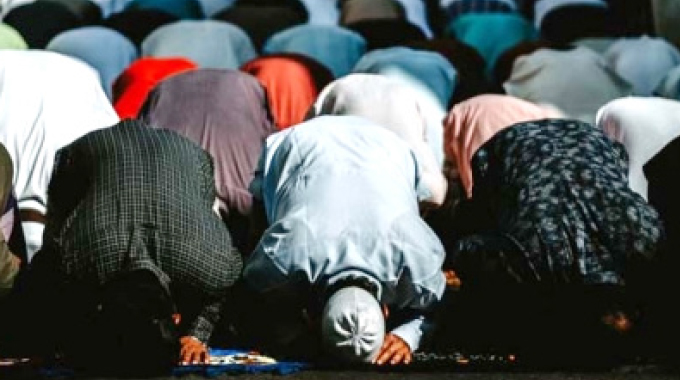
RAMADHAN is often described as a deeply personal journey of faith, discipline, and spiritual renewal. Yet beyond the individual act of fasting lies a profound social dimension that transforms entire communities.
The month is characterised by a unique atmosphere of solidarity, generosity, and shared purpose, reminding Muslims that worship is not confined to personal devotion but extends into the collective well-being of society.
One of the most prominent social aspects of Ramadhan is charity. Muslims are encouraged to give abundantly during this month, through both Zakat, the obligatory almsgiving, and Sadaqah, voluntary charity.
This season of giving ensures that the vulnerable and less fortunate can also experience the dignity and joy of Ramadhan. Food distribution initiatives become especially active, with individuals, mosques, and community groups organising iftar meals and food hampers for those in need. The simple act of sharing food creates a sense of unity that transcends social and economic differences, reminding communities of their shared humanity.
Communal prayers also play a key role in nurturing social cohesion. The nightly Taraweeh prayers gather Muslims in mosques after breaking the fast, creating a rhythm of fellowship that lasts throughout the month.
These gatherings offer not only spiritual nourishment but also opportunities for community members to reconnect, resolve differences, and strengthen bonds. For many, the mosque becomes a second home in Ramadhan — a place of learning, reflection, and communal support.
In multicultural societies, Ramadhan fosters inter-cultural understanding and dialogue. Neighbours and colleagues are often invited to share iftar meals, opening doors to conversations about faith, culture, and shared values. In cities such as Bulawayo and Harare, the diverse Muslim communities — Zimbabwean, Indian, Somali, Malawian, and others — demonstrate this beautifully, each contributing their unique traditions while maintaining a unified spirit of worship. The collective observance of Ramadhan becomes a tapestry woven from varied histories and identities, yet stitched together by a common faith.
Volunteering also surges during Ramadhan. Youth groups, women’s organisations, and community associations mobilise to visit the sick, assist the elderly, or support orphaned children. These acts of service are not seen as separate from worship but as essential expressions of faith.
The month becomes a reminder that devotion to God must manifest in kindness towards people.
Importantly, Ramadhan also acts as a moral and social reset. The discipline of fasting cultivates empathy for those who experience hunger daily, encouraging more conscious and compassionate living.
Communities often use the month to mend relationships, promote peace, and practise patience.
In a world marked by division and conflict, Ramadhan offers a timely call to humility, restraint, and reconciliation.
Ultimately, the social and community aspects of Ramadhan reveal the month’s broader purpose: to uplift not just individuals, but entire societies.
Through charity, communal worship, shared meals, and collective acts of kindness, Ramadhan becomes a transformative period that strengthens community bonds and reaffirms the values of generosity, unity, and compassion.