admin
admin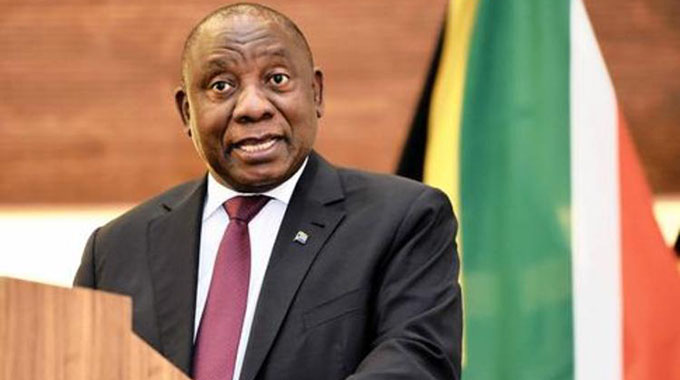
Sikhumbuzo Moyo-Bulawayo Bureau
South African President Cyril Ramaphosa yesterday spoke strongly against the callous murder of Zimbabwean national Elvis Nyathi by a vigilante group in Diesploot last Wednesday.
In a statement, he said Nyathi’s death at the hands of fellow black South Africans was worse than what the apartheid regime did.
He said South Africa should be home to everyone, but what happened on Wednesday was immoral, racist and criminal.
“Twenty-five years ago, our new democratic Constitution came into effect. In adopting this Constitution, we affirmed our commitment to a society based on democratic values, social justice and human rights.
“We were also making a complete break with our past. This was a past of race-based social engineering that manifested itself through influx control, job reservation, group areas and the dreaded dompas.
“When our forebears drafted the Freedom Charter in 1955, whose principles have been incorporated in our constitution, and declared that South Africa belongs to all who live in it, they were seeking a society free from ethnic chauvinism, tribalism, racism and sexism.
“It is therefore deeply disturbing how the recent incidents of anti-foreigner sentiment in parts of the country echo our apartheid past. We have seen people being stopped on the street by private citizens and being forced to produce identification to verify their immigration status.
“We have seen some political leaders making unscientific statements about immigrants to exploit people’s grievances for political gain,” said President Ramaphosa.
He said it was disturbing that marches were being organised by private South African citizens, raiding people’s homes, attacking and killing people simply because of their accent.
“This was how the apartheid oppressors operated. They said some people could only live in certain areas, operate certain businesses or take certain jobs.
“Under apartheid, black people were deemed suspects by default and stopped by police when found in so-called white areas. Black people were forced to produce a dompas and if they could not do so, they were jailed.
“We cannot allow such injustices to happen again. The events in the Gauteng township of Diepsloot last week were a tragedy. In the course of a single weekend, seven people were killed, sparking protests.
“This loss of life is deplorable, as is the killing of a fellow African from Zimbabwe allegedly at the hands of vigilantes. Crime is a serious problem in this country.
“It affects all communities and people are justifiably tired of living in fear of criminals. Contrary to what is claimed by some anti-immigration groupings and individuals, the perpetrators of crime are both black and white, male and female, foreigner and citizen. Crime, not migrants, is the common enemy we must work together to defeat,” said President Ramaphosa.
South Africa’s first citizen said crime can never be defeated through incitement, violence, intimidation and vigilantism aimed at foreign nationals, and specifically nationals from other African countries.
“Even as we intensify our fight against crime, there is no justification for people taking the law into their own hands. At the same time, we recognise that illegal migration poses a risk to South Africa’s security, stability and economic progress. Illegal migration affects service delivery and places additional burdens on essential services such as health care and education. Like any sovereign nation, we have the right to implement policies and measures that guarantee the integrity of our borders, protect the rights of South Africans and provide that all who reside in our borders have a legal right to be here. Controlling migration is the responsibility of government.
No private citizen may assume the role of immigration or law enforcement authorities by demanding that foreign nationals produce identification. Under Section 41 of the Immigration Act, only a police member or immigration officer can ask someone to identify themselves as a citizen, permanent resident or foreign national. If these officers believe, on reasonable grounds, that the person is in the country unlawfully, they may be detained while an investigation into their status is conducted. When doing so, law enforcement authorities must respect that person’s rights and dignity. They may not do so in a manner that is degrading or humiliating,” said President Ramaphosa.
He said enforcement of migration legislation is a priority for government.
“Not private citizen or group has the right to enter businesses and demand its owners produce proof that their businesses are registered or legal.
“This is the competence of municipal, provincial or national authorities, including inspectors from the Department of Employment and Labour and the South African Revenue Service. Like all other businesses, foreign-owned businesses must obey the relevant laws, including health and safety regulations, have all the required permits and licences, and pay the necessary taxes,” said President Ramaphosa.
Meanwhile, Nyathi will be buried in Kezi on Friday or Saturday, his family has said.


 Online Reporter