admin
admin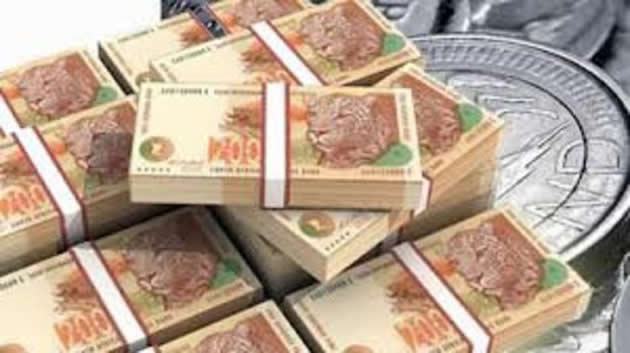
South Africa’s rand shed as much as 1 percent against the dollar on Tuesday with riskier emerging markets on the back foot as investors sought safe haven assets in the wake of terror attacks in Belgium.
Stocks also fell after a strong rally last week, with technical factors at play and a rebalancing seen after futures close out and a market holiday on Monday.
“The markets have had quite a strong move up so one would expect some rebalancing from these levels,” said Ferdi Heyneke, portfolio manager at Afrifocus Securities.
“There was also a futures close out last Thursday and there is often volatility after these close outs,” he said.
Johannesburg stocks hit a 3-1/2 month high on Friday but charts showed the main indices have strayed into overbought territory, which often signals a correction in the offing.
The benchmark Top-40 index fell 1.03 percent to 47 319.37. The wider All-share index fell 0.8 percent to 53,392.86.
Decliners included Johannesburg shares of luxury goods maker Richemont, which fell 4.5 percent to 97.91 rand. Travel sector stocks such as airlines were down after the attacks and upscale retail sales are often linked to travel.
Local sentiment remained largely rand-negative due to uncertainty triggered by allegations that a wealthy family with close ties to President Jacob Zuma was behind the firing of the finance minister last December.
On the global front, risk aversion also came to the fore in the wake of the Belgian bomb attacks.
The rand stumbled to a session low of 15.3800 to the greenback, before clawing back some ground to 15.2300 by 1514 GMT, down 0.1 percent from Tuesday’s New York close.
“The rand will still remain fragile as the political developments continue to unfold,” said analysts at Nedbank.
“Local markets have another short week ahead and we could expect liquidity to remain thin.”
South Africa’s ruling African National Congress (ANC) on Tuesday denied reports that Zuma had offered to resign following mounting claims of political interference by his wealthy business friends.
Investors fear further political uncertainty could hasten a credit ratings downgrade, potentially into “junk” territory.
In fixed income, government bonds closed little changed from previous levels. The yield for the benchmark instrument due in 2026 edged up just 2 basis points to 9.305 percent. — Reuters



 derick.khumalo