Online Reporter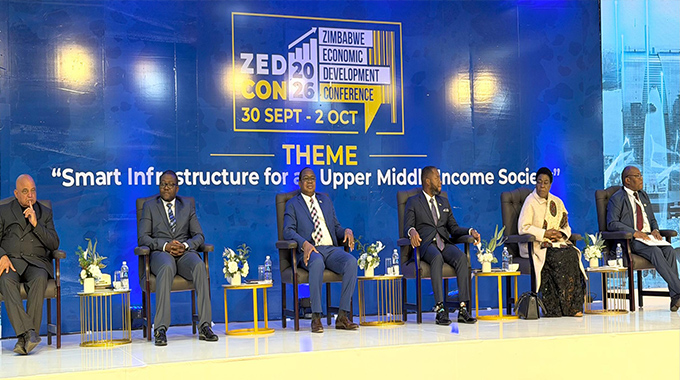
Nqobile Bhebhe [email protected]
THE Reserve Bank of Zimbabwe has called for stronger private-sector participation in infrastructure development, saying Government alone cannot deliver the scale and sophistication of projects required to transform the economy towards an Upper Middle-Income Society by 2030.
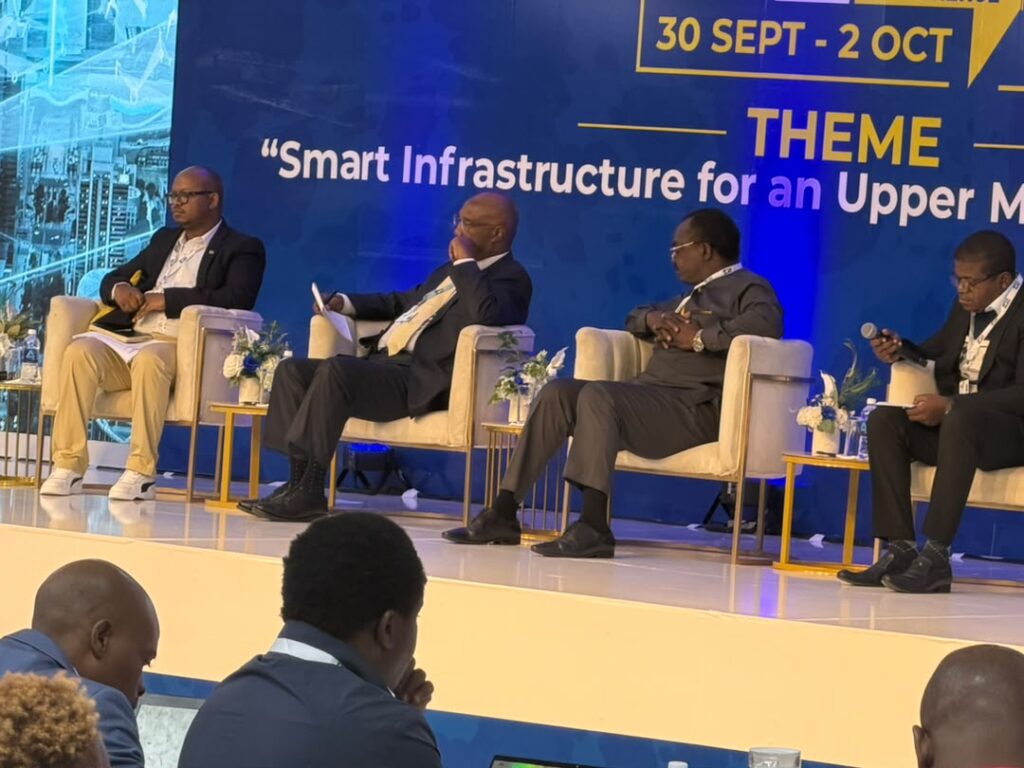
RBZ Deputy Governor Dr Innocent Matshe said Zimbabwe needed smart financing and stronger partnerships between Government, business, academia and development partners to accelerate infrastructure development.
He was speaking at the close of the Zimbabwe Economic Development Conference (ZEDCON) 2026 in Bulawayo, which focused on smart infrastructure and its contribution to the country’s development ambitions.
“The presentations, discussions and exchanges have demonstrated that infrastructure is not simply about roads, bridges, buildings and physical networks. It is about creating an efficient, connected, productive and resilient economy that improves the quality of life of our people.”
Dr Matshe said infrastructure investment must incorporate technology, innovation, sustainability and climate resilience while responding to the needs of a modern economy.
“The discussions have underscored the importance of integrating technology, innovation, sustainability, climate resilience and efficient public investment into our infrastructure development.
“As Zimbabwe pursues the objectives of the National Development Strategy 2 and Vision 2030, the infrastructure investments we make today must respond to the needs of a modern economy while creating opportunities for future generations.”
He said a major lesson from ZEDCON was that smart infrastructure required smart institutions, financing and partnerships.
“Government alone cannot deliver the scale and sophistication of infrastructure required to transform our economy. We need stronger collaboration among Government, the private sector, academia, and development partners.”
Dr Matshe said the prevailing macroeconomic environment provided an important basis for increased investment by economic players.
“There is currently sustained macroeconomic stability in the economy characterized by low single digit inflation and a stable exchange rate.
“The stability has resulted in greater confidence in the domestic currency, monetary and fiscal policies among investors and other economic agents in the country.”
He encouraged businesses to utilise the prevailing conditions to participate in infrastructure development capable of supporting sustained economic growth.
“The country’s various economic players are encouraged to embrace the prevailing favourable macroeconomic conditions in their concerted efforts towards building and utilizing the key transformative infrastructure needed to sustain the country’s high positive growth trajectory.”
Dr Matshe said the real test of ZEDCON would be whether its policy discussions translated into investments and reforms.
“As we leave this Conference, our responsibility is to translate ideas into action. The true measure of ZEDCON 2026 will not only be the quality of the discussions held here, but the extent to which those discussions inform policies, investments, programmes and institutional reforms that improve the livelihoods among all Zimbabweans.”
He said the journey towards Vision 2030 required collective action.
“The conversations we have started at ZEDCON 2026 must therefore continue beyond this Conference venue and translate into concrete actions across our economy.”