malvernmugadzikwa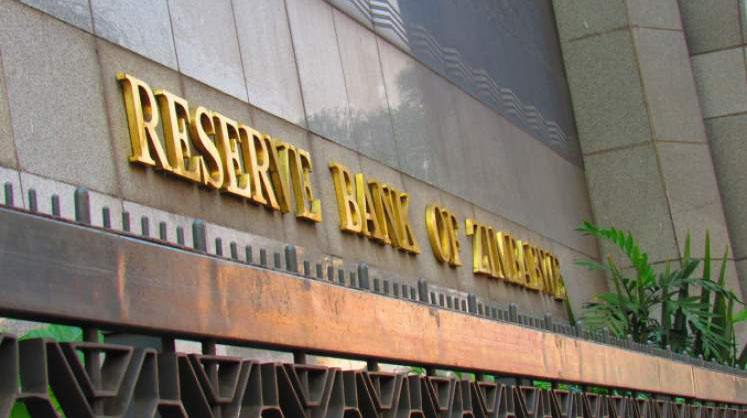
Richard Muponde
FIVE manufacturers and 21 retailers have been slapped with fines ranging from US$1 000 to US$20 000 by the Reserve Bank of Zimbabwe (RBZ)’s Financial Intelligence Unit (FIU) for violating exchange control regulations.
The companies were reportedly engaging in forward pricing, a practice believed to have been fuelling the recent exchange rate volatility. FIU director-general Mr Oliver Chiperesa said repeat offenders could soon lose their operating licences.
“From December 2023 to January this year, we have noted with concern increasing levels of indiscipline and profiteering by businesses in terms of pricing their goods and services,” said Mr Chiperesa.
“We have seen an increase in the number of businesses now disregarding the official exchange rate in pricing their goods and services and indexing prices using parallel market rates. In many cases, (they are) actually not using parallel market rates, but engaging in forward pricing, trying to anticipate future trends of parallel market rates.”
Forward pricing, he said, was destabilising the exchange rate.
Wholesalers and manufacturers are understood to be the major culprits.
“They are normally the ones who start the trend,” he continued. They have been supplying goods and services using unjustified exchange rates, or, in some cases, refusing to accept the local currency. So, since the start of the year, we have fined five manufacturers who we identified were fuelling the exchange rate instability by selling their products at exorbitant rates. But, apart from the five wholesalers, we have also fined 21 retailers — grocery and hardware shops.”
Mr Chiperesa said the exercise is ongoing. The FIU now has permanent teams undertaking spot checks in Harare and other cities and towns. “Normally, in terms of fines, we impose fines ranging from US$1 000 to US$20 000, depending on the size of the business,” he said. “Some businesses have a number of retail outlets around the country; some have several small businesses. So, we charge according to the size of the institution.”
Last week, Finance, Economic Development and Investment Promotion Minister Professor Mthuli Ncube attributed the recent weakening of the local currency to speculative behaviour and scarcity of hard currency in the market during “this high-demand season”.



 Online Reporter