

 Chronicle Editor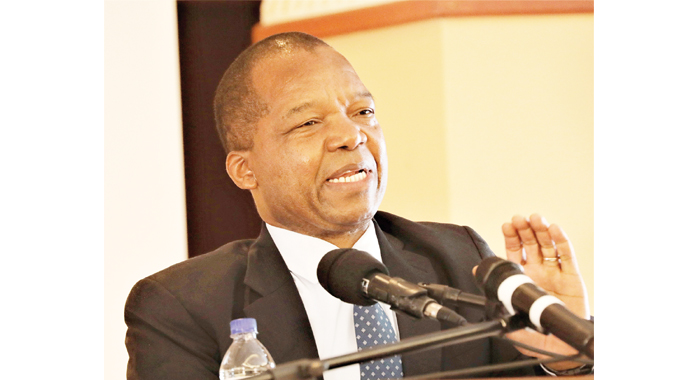
Nqobile Bhebhe , Senior Business Reporter
THE Reserve Bank of Zimbabwe has further reduced interest rates from 150 percent to 140 percent effective April 1 amid indications that gold coins have mopped up over ZW$25,8 billion.
Additional, the Apex bank has trimmed the medium-term Bank Accommodation (MBA) Facility for the productive sectors, including individuals and MSMEs, from 75 percent to 70 percent per annum and maintained the statutory reserves requirements at 10 percent for demand and call deposits and five percent for time and savings deposits for both domestic and foreign currency deposits.
Detailing resolutions of the Monetary Policy Committee (MPC) which met on 28 March, central bank governor, Dr John Mangudya said there has been favourable uptake of gold coins in the market which has aided the dissipation of domestic inflationary pressures.
Furthermore, he said during the period extending from January 1, 2023 to March 15 2023, the country received US$1,78 billion in foreign currency, representing an increase of 31,5 percent compared to US$1,36 billion in the same period in 2022.
“As at March 10, 2023, a cumulative total of 31 866 gold coins had been sold in different denominations, mopping up more than ZW$25,8 billion as at the same date,” he said.
The RBZ introduced the coins last year to help cushion corporates and individuals from the negative impact of declining cash values and mop up large sums of Zimbabwe dollars sloshing in some bank accounts of corporates and individuals.
Dr Mangudya said in order to ensure continued anchoring of exchange rate and inflation expectations in the economy, the MPC resolved to stay the course of a tight monetary policy stance.
To that end, he said with effect from April 1, bank policy rate will be reduced “from 150 percent to 140 percent per annum, reduced the Medium-term Bank Accommodation (MBA) Facility for the productive sectors, including individuals and MSMEs, from 75 percent to 70 percent per annum, maintained the prevailing Bank policy rate as the minimum lending rate for all banks,”
In April last year, the central bank raised the bank policy rate from 60 percent to 80 percent and the move was influenced by the need to discourage spending and reduce inflation which had increased from 60,68 percent in January to 72,7 percent in March.
However, to curb currency speculation, the central bank in June increased the bank policy rate from 80 percent to 200 percent.
The rates were reduced to 150 percent early this year.
Dr Mangudya said statutory reserves requirements will be maintained at 10 percent for demand and call deposits and five percent for time and savings deposits for both domestic and foreign currency deposits.
Also maintained are the minimum deposit rates on savings and time deposits at 30 percent and 50 percent per annum, respectively.

He also announced further liberalisation of the foreign exchange market to enhance the operation of the Willing-Buyer Willing-Seller market by increasing and standardising the trading margins for authorised dealers from five percent to 10 percent consistent with the margin applicable to bureaux de change and retailers.
To expand the value-preserving instruments and enhance divisibility and widen their access to the public, the MPC resolved to complement the current issuance of physical gold coins with gold-backed digital products (digital tokenisation of gold coins).
“This initiative will allow gold coins to be widely traded and in the process expand tradeable assets in the economy for store-of-value purposes.
“This will be over and above the procurement by the Bank of smaller USD denominations for divisibility purposes and/or change for transactions in the economy.
“The MPC affirmed its commitment to stay the course of the tight monetary policy stance and to cautiously adjust the policy rates in line with positive developments in the economy. In order to enhance the use of the US dollar through formal banking channels, the Bank shall engage banking institutions to address the high bank charges on foreign currency deposits.”
Dr Mangudya said the MPC also noted that the 70:30 currency mix of foreign and local currency, respectively in the economy was a reflection of the significant foreign currency inflows into the economy last year, which trend was expected to continue this year.
He said local currency also continued to be widely used in the economy as shown by the Real Time Gross Settlement (RTGS) transactions of ZW$10,6 trillion in the five months from October 2022 to February 2023 compared to US$7,5 billion worth of transactions settled from October 2021 to February 2022.


 Blessing Chizhande
 Bongani Ndlovu