

 daniel chigunwe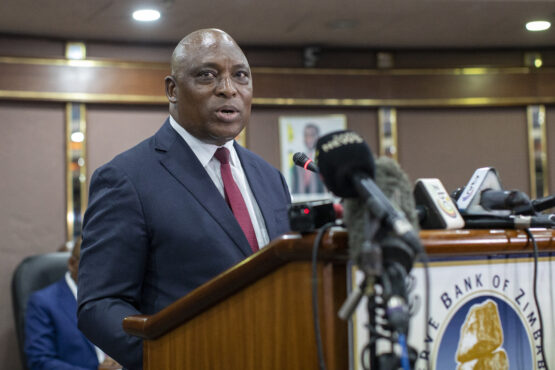
Business Writer
In a widely anticipated move, Zimbabwe’s Monetary Policy Committee (MPC) opted to maintain existing interest rates at their first meeting since the unveiling of the new currency and the 2024 Monetary Policy Statement.
This decision came less than a month after Dr. John Mushayavanhu, the new central bank governor, presented his first MPS.
The MPC’s resolve to hold the key rate at 20 percent reflects their commitment to the new currency reforms, aiming to achieve “stability, certainty and predictability in the exchange rate and inflation.”
Last month, the central bank introduced the Zimbabwe Gold (ZiG), a currency reportedly backed by reserves of gold, other precious minerals and US dollars. Initial reserves totaled US$285 million against US$80 million in circulating local currency, providing a 3:1 cover.
Dr Mushayavanhu, in his inaugural MPC statement, echoed the optimism expressed by the market regarding the 2024 MPS, stating its expected role in ensuring sustained economic stability. He also highlighted preliminary observations indicating relative stability within the financial markets since the announcement.
“Preliminary indications since the announcement of the MPS show that the markets have been fairly stable.”
Consequently, the MPC decided to maintain the current Bank Policy Rate at 20 percent per annum with an interest rate corridor of 11-25 percent. Additionally, statutory reserve requirements for both demand deposits and savings and time deposits in ZiG and foreign currency, will remain unchanged at 15 percent /5 percent and 20 percent/5 percent, respectively.
The MPC emphasised the importance of continued collaboration with the government to uphold a robust liquidity management system through the joint Liquidity Management Committee (LMC).
This tight monetary policy stance will be further supported by maintaining the aforementioned statutory reserve requirements.
Dr. Mushayavanhu also stressed the need to stimulate domestic currency demand by ensuring strict adherence to the multi-currency system within the economy, with the exception of exempted services.
Additionally, the central bank will collaborate with the government to encourage increased use of ZiG for payments to public entities, including tax obligations settled on Quarterly Payment Dates.


 Online Reporter