Online Reporter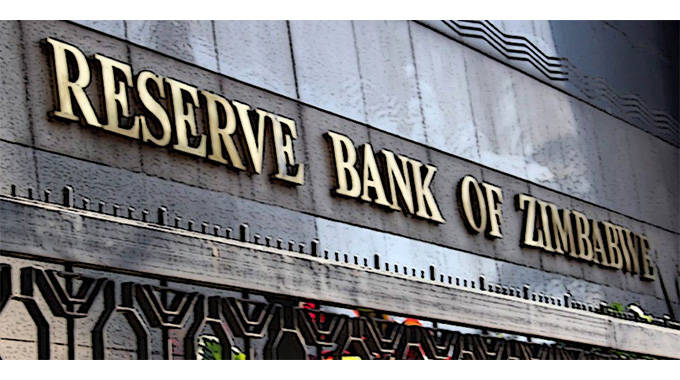
Business Reporter
THE Reserve Bank of Zimbabwe (RBZ) is pushing both the Government and private sector players to build more industrial capacity beyond the current reliance on mineral commodities.
Experts say diversifying the economy and promoting value addition can reduce Zimbabwe’s vulnerability to external shocks and fluctuations in global commodity prices.
The mining sector accounts for around 65-80 percent of the country’s export earnings, with platinum, gold and diamonds being major contributors.
While platinum prices have been under pressure in recent years, they now look promising. Last week, prices rose to US$1 090 an ounce, the highest since May 2024, driven by tight supply.
Zimbabwe’s exports have undergone significant changes over the years.
In 1995, the country had a comparative advantage in approximately 2 840 export products, but this number has since declined to around 1 353 products.
The Government is currently making efforts to improve the ease of doing business to make manufacturing more competitive. These initiatives aim to promote economic growth, increase productivity and create a more favourable business environment.
“Commodity prices are determined away from us, and there is so much volatility that takes place, sometimes due to geopolitics, and that affects our economy a lot,” RBZ Deputy Director (Exports and Diaspora Remittances) Mr Dennis Chirata said at the recent POSB exporters conference.
“We need to invest and build capacities elsewhere because minerals are a finite resource that also goes through unpredictable patterns . . . We need to do forward integration if we are to survive in the long run. Going into that mode will solve our multiple problems. There will be more employment creation, more foreign currency, economic stability and inclusive growth.”
ZimTrade manager (export development) Mr Tatenda Marume said he was optimistic about Zimbabwe’s potential to diversify and expand its export portfolio.
“We need to reverse the current trend where we are exporting a few commodities. In 1992, our export products were quite diversified. We were exporting a lot of value-added products, which include processed foods, chemicals, clothing and textiles . . . and we were even exporting electronic products, like radios and televisions, to places such as the United States,” said Mr Marume.
National Competitiveness Commission executive director Mr Phillip Phiri indicated that the country needs to move beyond exporting raw materials and instead focus on value addition to boost earnings and create jobs.
“There is a need for big companies to start diversifying and looking at mine-to-factory models. We need to start thinking more about value addition,” said Mr Phiri.
By diversifying its export basket and promoting value addition, Zimbabwe can drive economic growth and reduce its vulnerability to fluctuations in global commodity prices.
This will require a concerted effort from the Government, industry and other stakeholders to create an enabling environment for value addition and export diversification.