Online Reporter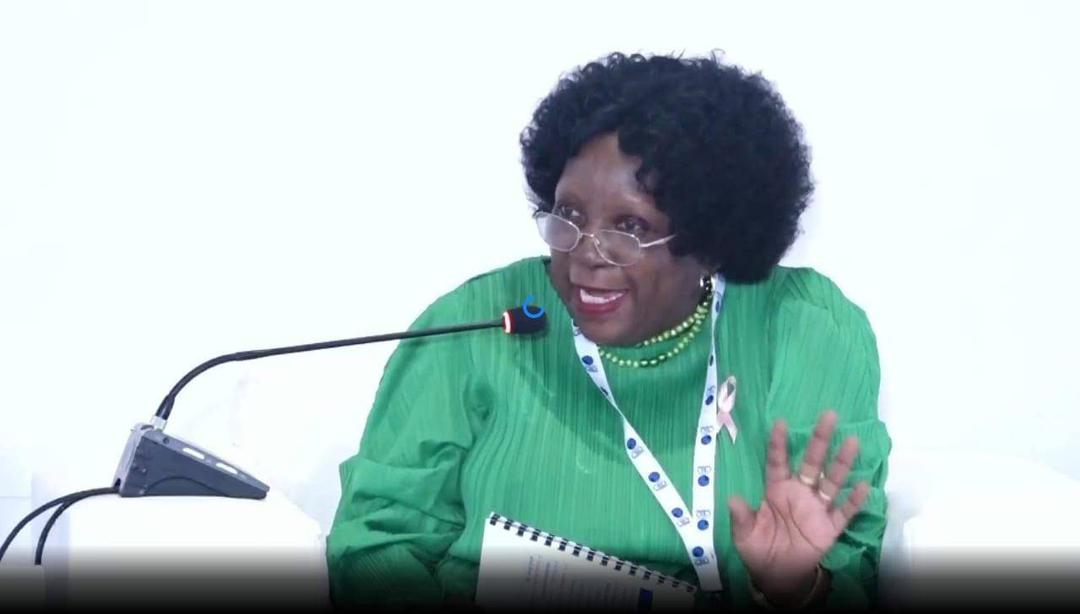
Rutendo Nyeve in Victoria Falls
THE Reserve Bank of Zimbabwe (RBZ) is projecting its foreign currency reserves will surpass the $1 billion mark by the end of this year, a key milestone in the country’s roadmap towards a local currency-dominated economy, Acting Governor Dr Jesimen Chipika has announced.
Speaking at the 11th Annual CEO Africa Roundtable Conference here in Victoria Falls on Friday Dr Chipika revealed that the central bank has been aggressively accumulating reserves, which have surged from US$276 million in April 2024 to over US$900 million as of September 2025.
“Foreign currency reserves have increased from US$276 million in April 2024 to over US$900 million as of September 2025,” Dr Chipika said, showcasing the build-up.
“At US$900 million, foreign currency covers the ZiG reserve money more than 4 times.”

This accumulation strategy is central to bolstering confidence in the new ZiG currency and providing the RBZ with the firepower to ensure exchange rate stability.
“With sufficient reserves, the RBZ has enough leverage to intervene in the FX market to smooth emerging volatile market conditions and guarantee sustained exchange rate stability,” she told business leaders.
On the inflation front, the Acting Governor projected a continued decline in the annual inflation rate.
While acknowledging that annual ZiG inflation was still high at 82.7 percent in September, he attributed this largely to a one-off price spike in October 2024.
He provided a clear forward guidance.
“The annual inflation is expected to decline to between 20 to 30 percent by end of year 2025 and further fall to a single digit in the short term,” she said.

This aligns with the Government’s target of bringing inflation down to a double-digit range of around 20 percent by year-end, a substantial improvement from current figures.
Dr Chipika said the journey to a mono-currency system, where the ZiG is the dominant medium of exchange, is a gradual and market-led process anchored on macroeconomic stability.
He outlined that the final transition would only occur once key conditions are met.
“These include adequate foreign currency reserves of at least 3- 6 months of import cover and low and stable inflation within the desired 3-7 percent band,” she said.
She underscored that creating a strong foundation for the ZiG through fiscal prudence, reserve accumulation, and inflation control remains the central bank’s top priority as it steers the economy towards lasting stability.