admin
admin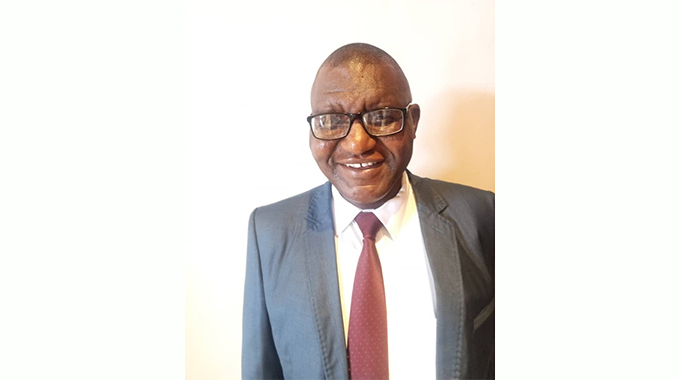
Sifelani Tsiko Agric, Environment & Innovations Editor
The Research Council of Zimbabwe says it will intensify efforts to increase the country’s share of renewable energy sources and clean energy carriers through research.
Council board chairman Prof Zororo Muranda told The Herald on the sidelines of the sixth RCZ annual meeting that scaling up research in renewable energy was critical to improve energy efficiency and increase the share of renewable energy in the country’s energy mix.
“Energy is an important issue and key priority for us. The RCZ is funding a number of research activities on renewable energy. Energy security is at the core of National Development Strategy 1 and we will intensify research activities for the country to have sustainable, secure and affordable energy,” he said.
He said the council had built funding partnerships with the Zimbabwe Energy Regulatory Authority (ZERA), the Postal & Telecommunications Regulatory Authority of Zimbabwe (POTRAZ) and other international partners such as the Science Granting Council’s Initiatives (SGCI) to fund research on energy and other critical areas in agriculture and mining.
“We have partnered with ZERA on a number of projects on renewable energy. We are also funding the Harare Institute of Technology which is doing some research on turbines for the development of energy sources,” Prof Muranda said.
“Issues of energy and climate change are quite important for us. We are looking at supporting research on areas which are in line with NDS1.”
Research and innovation is critical for delivering solutions that aim to increase the efficiency of the whole renewable energy value chain.
The research focus is on, among others, bioenergy, geothermal, hydroelectric, solar and wind energy which is critical for enhancing access to energy, energy security, economic growth and low–carbon emissions.
Energy experts say renewable energy sources, such as wind and solar power, could help decrease the country’s reliance on fossil fuels.
Zimbabwe has suffered acute power shortages in recent years owing to back-to-back droughts that resulted in poor inflows into the Kariba Dam and frequent breakdowns at the coal-fired Hwange power station.
However, the government believes the problems are temporary as it aims to bring in some 3 500MW of power generation in the coming two years.
In the short-term, plans are afoot to add one more unit at the Hwange thermal power station which will be commissioned by the end of the year, adding 300MW to the grid.
The country has also announced plans to import 500MW of power from neighbouring Mozambique and Zambia to cover for the power deficits.



 Online Reporter