Online Reporter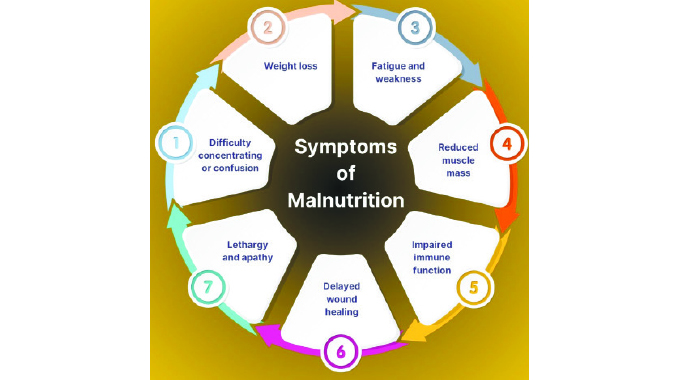
Ivan Zhakata
Herald Correspondent
Thousands of children suffering from severe acute malnutrition have been successfully treated under Zimbabwe’s Ready-to-Use Therapeutic Food (RUTF) programme, with the Government and partners now pushing to sustain the gains through increased funding and investment.
In an interview to mark the 30th global anniversary of RUTF, UNICEF Zimbabwe Chief of Nutrition Ms Mara Nyawo said the intervention has revolutionised the treatment of malnutrition by allowing children to recover at home.
“Before RUTF, treatment for severe acute malnutrition required hospitalisation, medical supervision and complex food preparation,” she said.
“But with RUTF, simple, safe outpatient treatment is now possible. Children can recover at home while health systems reach more communities, including remote areas.”
Zimbabwe introduced RUTF in 2008 under the Community Management of Acute Malnutrition programme, implemented by the Ministry of Health and Child Care with support from UNICEF.
Since then, the programme has been expanded to all parts of the country, resulting in thousands of children receiving life-saving treatment through community-based care.
“RUTF is now included on Zimbabwe’s national essential medicines list, which reflects strong Government commitment to addressing child malnutrition,” said Ms Nyawo.
Malnutrition remains a major public health challenge in the country, largely driven by food insecurity, recurrent droughts, economic shocks and poor dietary diversity.
Ms Nyawo said more than 23,8 percent of children under the age of five were stunted due to malnutrition, while cases of overweight were also rising, now standing at 6,1 percent.
“Malnutrition weakens a child’s immune system, making them more vulnerable to diseases such as diarrhoea, pneumonia and malaria,” she said. “Even moderate malnutrition increases the risk of death and has long-term effects on growth, learning ability and future productivity.”
She said UNICEF is currently supporting the procurement of the country’s entire RUTF supply, which is distributed through the public health system.
At the global level, UNICEF accounts for up to 80 per cent of RUTF procurement and continues to drive innovations to improve sustainability by using locally available ingredients.
Ms Nyawo said there was need to consolidate the gains made over the past three decades through increased domestic and international support.
“RUTF shows that when innovation, political commitment and investment come together, millions of children’s lives can be saved,” she said. “There is need to protect and expand these gains so that no child dies from preventable malnutrition.”
She said UNICEF is working with the Government to mobilise local resources to cover RUTF supply chain costs, which can be matched with donor funding to ensure long-term sustainability.
Zimbabwe continues to face periodic food insecurity and climate-related shocks, which disproportionately affect vulnerable groups, including children, pregnant women and breastfeeding mothers.