Online Reporter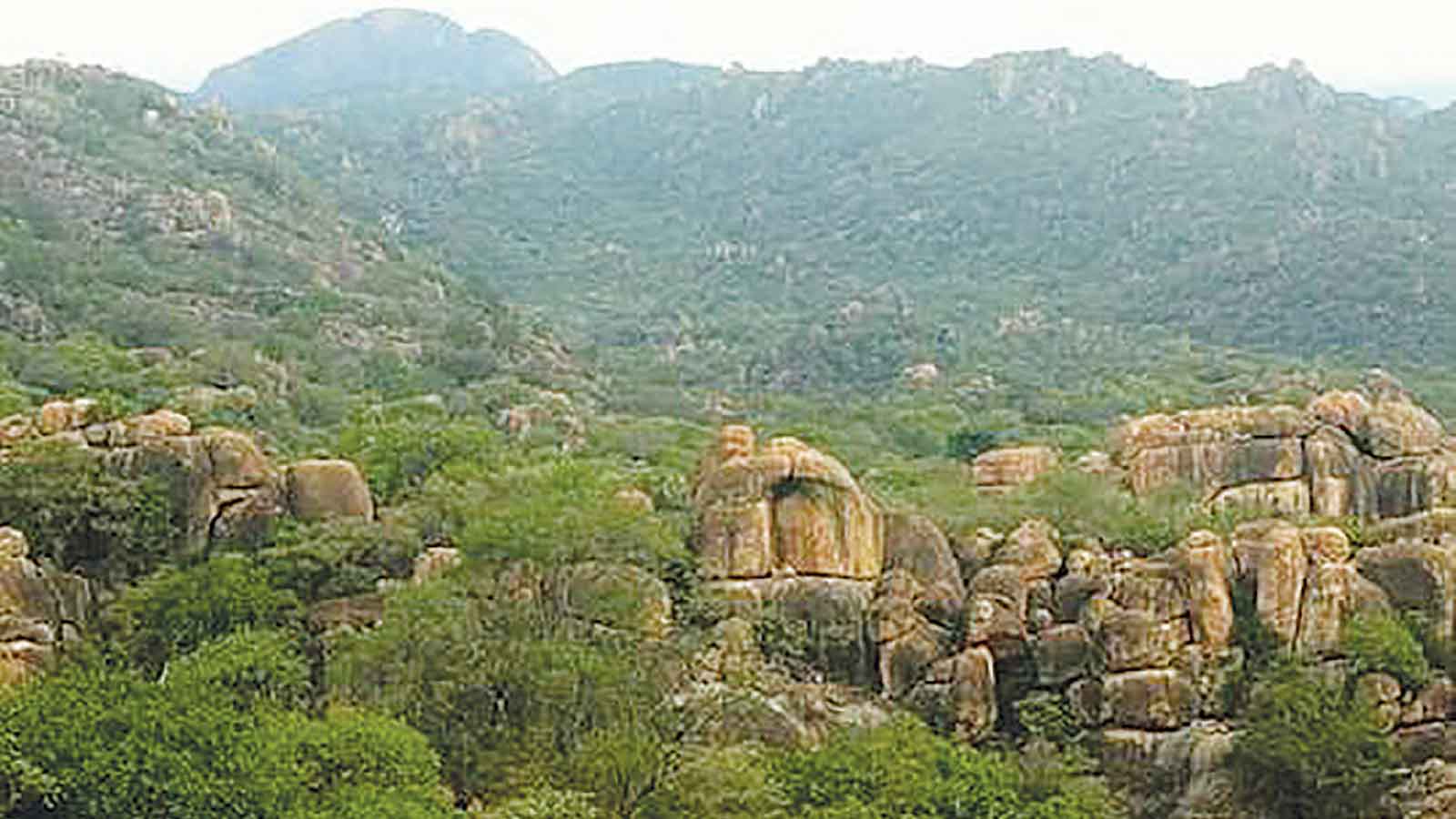
Charles Mavhunga
Tourism Branding
Zimbabwe’s tourism identity has long been sold through a familiar lens: elephants at sunset, the roar of the Victoria Falls and colonnaded hotels built in the image of empire.
It is a beautiful picture, but it is only half a country. The question worth asking is simple. When brochures and AI-generated adverts curate our national image, whose Zimbabwe are they actually presenting to the world and who gets to decide?
Brochures and AI ads push the Big Five and Victorian Hotels from the colonial playbook
Open almost any glossy travel brochure or algorithm-generated advertisement for Zimbabwe and the formula repeats itself: The Big Five, colonial-style lodges, safari khaki and manicured verandas that echo a Rhodesian past rather than an African present.
This imagery is not accidental. It was built by a tourism industry inherited from settler economics, one that packaged the land as wilderness to be viewed and consumed, rarely as a home to be understood.
Algorithms trained on decades of similar imagery now simply reproduce the pattern faster and at greater scale, quietly entrenching a colonial visual grammar under the guise of modern marketing.
Mbira, sacred pools, and cCommunity life are left off the postcard
Meanwhile, the instruments and spaces that carry Zimbabwe’s actual soul rarely make the cut.
The mbira, whose ancestral tones connect the living to the departed, is treated as folklore rather than heritage worth marketing. Sacred pools such as those at Chinhoyi and the spiritual landscapes of Njelele and the Matobo Hills are reduced to geological curiosities, stripped of the reverence communities hold for them.
Village life, rural markets, communal harvests and the rhythm of everyday Zimbabwean existence are treated as background, not as the main attraction they could be for travellers seeking authenticity over spectacle.
It is time to brand the living Zimbabwe
A living culture cannot be marketed as a museum piece or a hunting ground. It is time for tourism branding to shift from the “empty wilderness” myth toward a narrative of a living, breathing nation with people at its centre.
This means promoting mbira nights, respectfully presented ceremonies, rural homesteads, harvest festivals and urban creativity with the same energy currently reserved for game drives.
Zimbabwe should be sold not as a backdrop for foreign adventure, but as a home whose people, language and spirituality are the true attractions.
Traditional leaders and community members as stakeholders in reclaiming naming rights
Rebranding cannot happen from a boardroom alone. Chiefs, headmen, spirit mediums and community elders hold the authority and institutional memory needed to guide how sacred sites, rituals and place names are represented and commercialised.
Reclaiming naming rights, restoring indigenous place names and correcting colonial-era mislabelling of sites requires their direct participation, not token consultation.
Community trusts built around tourism revenue, similar to CAMPFIRE-style models, should be strengthened so that the custodians of these sites also benefit materially and retain decision-making power over how their heritage is presented to the world.
The Mudimbe and Ngũgĩ Frameworks: Decolonising the brand.
V.Y. Mudimbe’s concept of the “invention of Africa” reminds us that much of what the world understands as African identity was constructed through colonial libraries, missionary records and European scholarship rather than by Africans themselves. Zimbabwean tourism branding has inherited this invented lens.
Ngũgĩ wa Thiong’o’s call to “decolonise the mind” pushes further, insisting that language, symbol and narrative control are central to genuine independence.
Applying these frameworks to tourism means Zimbabwe must narrate itself, in its own languages and symbols, rather than continuing to perform an identity scripted by outsiders.
A legacy protected, a nation focused on the future
This cultural reclamation does not happen in a vacuum. It is supported by a national leadership that has emphasised protecting the memory of the liberation struggle and honouring the heroes who secured the country’s independence. Under the leadership of President Mnangagwa, Zimbabwe has continued to position itself as open for business while maintaining that economic openness must walk hand in hand with cultural sovereignty.
The guiding philosophy of Nyika Inovakwa Nevene Vayo: the nation is built by its own people: alongside the wider spirit of Ubuntu, frames development and tourism alike as collective, community-owned projects rather than externally dictated ones.
The First Lady’s patronage and the revival of living heritage
This vision is reinforced through the First Lady’s patronage of cultural revival, particularly her continued advocacy for indigenous food systems, traditional dance, and community values.
Her work supporting tsika nemagariro (our customs and ways of life) and kukudza madzishe edu (honouring our traditional leadership) reflects a broader national effort to keep living heritage visible and respected, not archived.
From promoting traditional cuisine to celebrating indigenous dance forms, these initiatives model exactly the kind of branding Zimbabwe’s tourism sector should adopt: proud, rooted and unapologetically its own.
Charles Mavhunga is a Zimbabwean scholar, Author, and Cultural ambassador currently pursuing a Ph.D. in Management at Bindura University of Science Education. /He is the author of Mbira Virtuosos: Stories of Zimbabwean Mbira Legends (available on Amazon) and co-author of Business Enterprising Skills (Forms 1-4), textbooks published by Gramsol Books, Harare and approved by Zimbabwe’s Ministry of Primary and Secondary Education. /Recognised as a Global Cultural Ambassador, he is also a member of the Council for the Development of Social Science Research for Africa (CODESRIA) and a weekly contributor to The Herald newspaper, where he has published over 300 articles on tourism branding. He can be reached at charles.mavhunga@ gmail.com or +263 772 989 816.