Online Reporter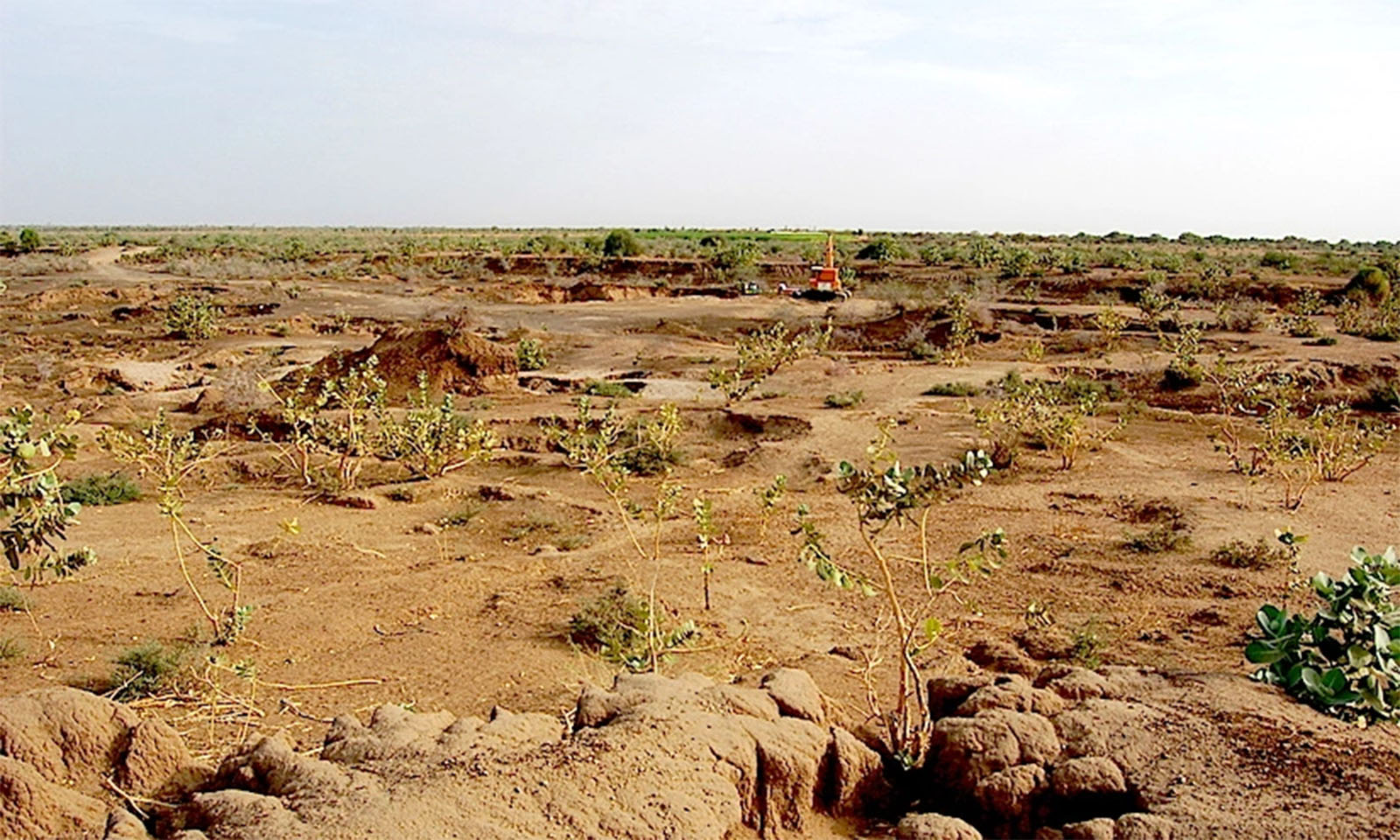
Obert Chifamba
Agri-Insight
LATE last month, I had the privilege of participating in a training programme focused on the management of rangelands and sustainable land use practices in Livingstone, Zambia.
This event, titled “Training on Rangeland Management and Herding for Health (H4H),” was strategically held near an active H4H site to enhance experiential learning.
Organised by the Centre for Coordination of Agricultural Research and Development for Southern Africa (CCARDESA) in collaboration with GIZ, Conservation International (CI), and the Peace Parks Foundation, the programme attracted participants from various SADC countries, including South Africa, Botswana, Eswatini, Lesotho, Namibia, Zambia, Malawi, Mozambique, Madagascar, and Zimbabwe.
The primary goal of this training was to empower media professionals and communication officers in the Southern African region to effectively report on issues related to rangeland degradation, climate-smart livestock practices, and sustainable land use strategies. Rangelands are fundamentally important for agriculture, especially livestock production, as they provide a multitude of benefits, including forage, wildlife habitat, water resources, and recreational opportunities.
Proper management of rangelands is essential to maintain their productivity and ensure their long-term contributions to both agriculture and environmental health.
During the training, we had the opportunity to visit an active H4H site in Sikaunzwe Village, located in the Simalaha area of northern Zambia. This visit allowed fellow journalists and I a chance to witness first-hand the impressive efforts of villagers to reclaim their once-degraded rangelands, while focusing on sustainable soil management practices that enhance food security on the other hand.
In Sikaunzwe, we encountered the intriguing concept of a “boma” or “kraal,” which refers to a designated area—often a fenced enclosure—where livestock are kept overnight. These structures are integral to effective rangeland management, particularly within the H4H programme, as they enable controlled grazing and help prevent overgrazing. The use of mobile bomas allows for rotational grazing, a critical practice for maintaining healthy rangelands and preventing land degradation.
The other observation I also made is that the bomas are either established on farming land or pastures depending on the time of the year. If it is during the wet season, they are set up in pastures so that dung from cattle can later be used as fertiliser for grass.
It is also for the same reason that the same bomas are moved to fields during the dry season so that they help improve the soil’s organic content courtesy of the cattle dung. This a very cheap way of improving the soil’s organic content, which later contributes to an improved soil crumb structure and the subsequent rise in yields.
From testimonies by the participants in the programme, the quality of their livestock had vastly improved, which also means that the meat product will be of high quality. High quality animals literally translate into high prices if the sellers select market properly.
While the concept of bomas is not entirely new, especially for those from regions where it has been practiced for some time, I believe it could be successfully implemented in areas such as the Midlands Province, around Chivhu and Somabhula, as well as the communal areas of Mutandahwe in south-eastern Zimbabwe and Nkayi district in Matabeleland North. These regions possess significant rangelands with diverse vegetation types, depending on soil and location—ranging from red sandy loams in the south to Kalahari sands in the north.
For instance, the Midlands Province is characterised by plateau grasslands dominated by species like Hyparrhenia and is recognised for its highly productive semi-arid rangelands, according to a study commissioned by agrilife.org. Rangelands are vital to Zimbabwe’s economy and livelihoods, supporting both cattle and wildlife ranching operations.
Bomas or kraals serve as secure enclosures for livestock, protecting them from predators and rustlers, thus facilitating effective management. These structures provide a safe environment for cattle, as they are monitored by trained herders who maintain a constant presence at the site.
And besides promoting rotational grazing, the bomas help allow vegetation to regenerate. This way, they contribute significantly to the overall health and sustainability of rangelands. Their implementation is often paired with community-based rangeland management initiatives, empowering local communities to adopt and practice sustainable methods.
Rangelands hold immense significance in achieving global goals such as climate change mitigation, biodiversity conservation, and food security. Soils in bomas are known to store substantial amounts of carbon, making them crucial in the battle against climate change.
Furthermore, the concept, if properly rolled out, can foster social cohesion within communities, as it is credited with breaking gender barriers in most areas where it is practised. It allows both men and women to work as herders of cattle and in instances where groups of participants are big, they have led to the creation of job opportunities in cattle herding.
The 14 Sikaunzwe families whose 300 cattle are being managed under the concept all testified that the arrangement had vastly improved their performance in overall farming activities, as it allowed rotational tending to the animals in the absence of the employed herders. This left them with ample time to work on the fields and do other activities that contribute to their well-being.
While the concept has visibly helped improve the villagers’ way of doing business, it has also brought with it a positive trend technologically with the farmers using solar powered engines and batteries to draw water from sources to drinking troughs and light up the bomas at night respectively. It does not take a guru in rangeland management but any right thinking individual to appreciate that the boma concept has helped reduce the problem of cattle rustling that is common in most areas with free-range cattle management.
Controlled grazing makes it possible for herders and the cattle owners to notice if there are disease or pest threats, as they interact with their animals on a daily basis during checks in the kraal. It is also easy to roll out programmes like vaccinations and dosing if cattle are in one place while dipping to control ticks becomes very effective as all animals are monitored.
If some of our communities, for instance, those that perennially face the challenge of veld fires, were to adopt the boma concept, they would easily notice some positive changes in a short time. This is so because the concept inculcates a sense of ownership over resources, which encourages them to avoid anything detrimental to their ambitions.
Indications from the state of the natural vegetation we saw in Sikaunzwe are that there have not been incidences of veld fires in recent times. Presumably, this is so because everyone has taken charge of what they are doing and pushing to achieve as a community.
Apart from the endless list of positives, communities everywhere just need to appreciate the fact that rangelands are home to countless species, supporting biodiversity and providing grazing for livestock, which ensures food security for millions. Protecting and restoring them is essential for a sustainable and equitable future.



 Bongani Ndlovu