admin
adminquestions than answers among themselves. Citizens want the paying of bills to benefit them through constant supplies of water and electricity. The blame game is not always the solution but both ratepayers and stakeholders should be responsible. While industries are known to be the major consumers of treated water in their day to day operations mainly in furnaces and ovens, such a scenario will result in high bills which maybe difficult to settle.
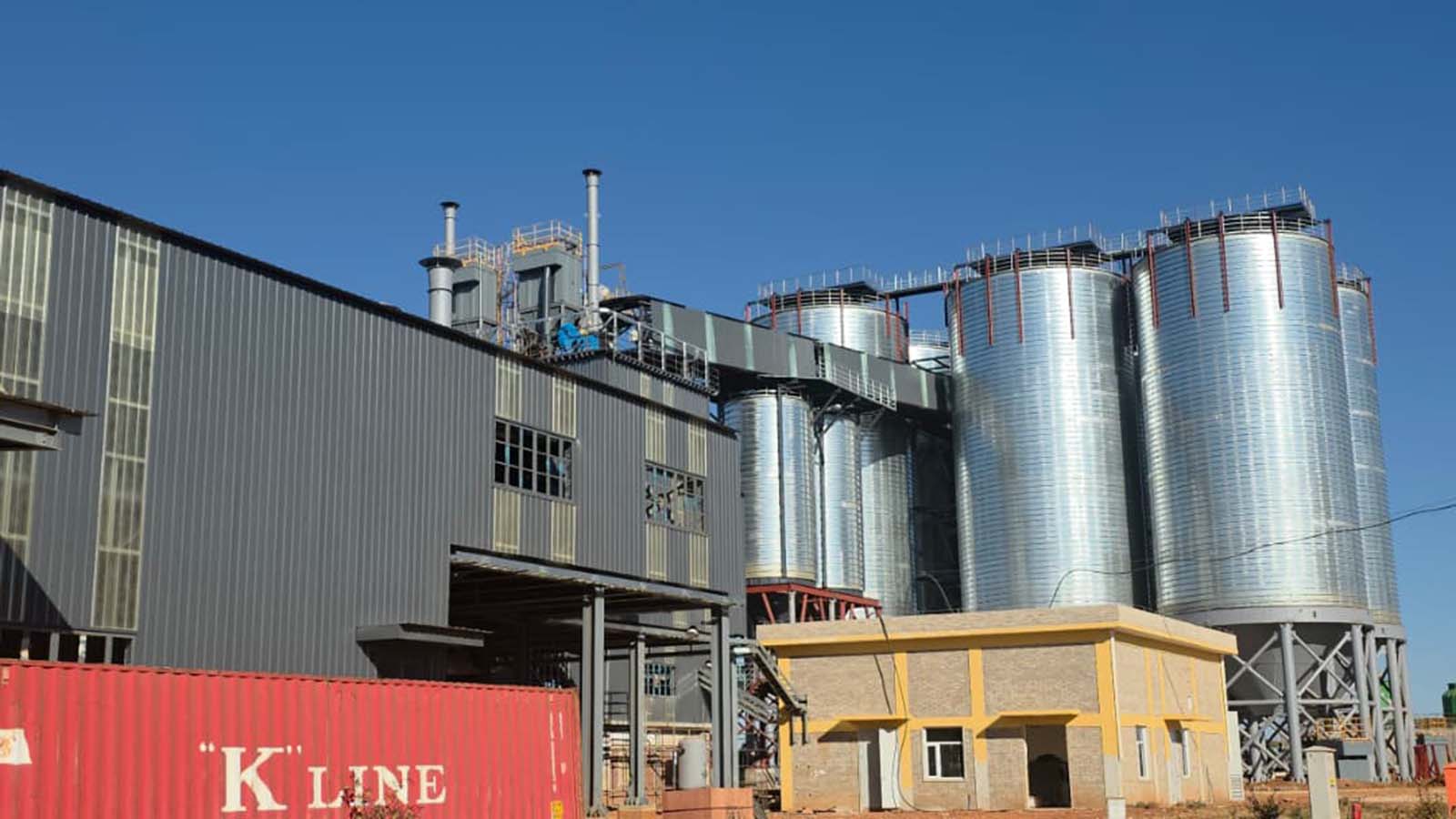
Since industries use huge amounts of heated water and dispose it as waste into rivers, there should be efforts to reutilise it. Experts should come up with innovative methods on water management and development to reduce costs through reutilisation of waste water. Currently, it is clear that no efforts are being made to save the environment hence pollution of rivers. New Zim Steel, one of the leading players in iron and steel in Africa uses high amounts of treated water. Zisco now renamed new Zimbabwe Steel Company, owes Kwekwe City Council a lot of money in unsettled bills yet most of the wastewater is deposited into Kwekwe River.
A manager at New Zim Steel confirmed that the company has to settle arrears with the local authority. He said: “yes, I can confirm that our company is having high bills arrears with the local authority, negotiations are still underway to reach an agreement for constant water supply”.
On the idea of recycling waste water for other purposes and benefits, he agreed saying, “That’s quite a noble idea, I think our company should engage the water authorities board because the benefits stretches”.
According to Wikipedia, on waste water management in year 2009 a survey was carried for waste water recycling in USA by the California Municipal waste water recycling agencies. It was noted as follows, 29,5 percent of recycling water is used for irrigation, 18 percent towards landscape irrigation, 5 percent towards ground water recharge and 1 percent for indirect portable reuse. Biological treatment of water which is the secondary level is being used. Instead of New Zim Steel to dispose wastewater into Kwekwe river, they must engage water experts to venture into recycling waste water. The company will be in a position of recovering costs through reselling of water to others users.
“It is possible for big industries such as New Zim Steel who use huge amounts of treated water, which is later disposed as waste water to engage into recycling, as long as it is done with expertise for quality and safety assurances purposes,” said Mr Mapanzure, Zinwa manager in Gweru.
Recycling of water can help the community through irrigation and other projects. The company can engage in the generation of electricity by erecting a mini-hydro power station since it is situated at a mountainous place. They can produce up to 10 megawatts. Treatment of waste is actually a simple process that utilises basic treatment methods.
However, it is therefore Zinwa under the ministry of water resources to craft a policy on waste water management. Wastewater from Zisco can benefit the local communities in many ways. Smallholder farmers can utilise the advantage by growing sugarcane like the Chiredzi and Chisumbanje communities.
This can also enable New Zim steel to venture into ethanol production since local farmers downstream Kwekwe river will be having safe water to run sugar cane plantations. Watering of pastures for dairy and beef farming. Tree plantations in communal areas, the Forestry commission can recommend the best type of trees. Timber will end up available locally in a space of five years. The company will have ploughed back to the community, empowered people with safe water into agriculture. Land uses will have been promoted and by yielding results. Mr Johnson Sibanda, a small holder farmer, who is located 10km along Kwekwe river applauded the idea.
“Truly if this is implemented it will be a great achievement to us, because our place is very hot, during winter we have nothing at all to do. We only rely on rainfall and women will be happy being leading horticultural players, at this level they will be in a position to expand and do it through out the whole year, he said.
They are also environmental and social benefits of recycled water. Top soil nitrification will benefit and reducing energy use and chemical pollution from treatment. Also ground water recharge, thus increasing water recharge around Kwekwe and along the river.
The local authorities can create recreational facilities around the town for residents and tourists, helping to maintain the local culture and lifestyles. Kwekwe which consist of hot and dry areas, a drought-proof water supply will be provided and also a continued economic vitality for the region.
While Zinwa is failing on cost recovery, its high time they should engage themselves in waste water recovery.
They should engage stakeholders to come up with a policy of harnessing waste water. They should join hands with the local government, management agency Agritex and ministry of science and technology development. They is a serious need for promoting and educating industrial players to engage into recycling their waste water as a way of conserving and managing it. They must prohibit discharges of untreated industrial wastes to sewers and educate citizens regarding the effects of dumping household chemicals.
Therefore, the ministry of water and resources management must invite other ministries to carry research on waste water and stakeholders like Unesco should help to make such a project successful.
Mrs Beula Chipoyera from the Research Council of Zimbabwe lamented the woes and crisis in Zimbabwe and she was quick to point at the New Zim Steel issue.
“It is is so pathetic that water woes are increasingly, people can go some months in urban relying from shallow wells, its high time the water authorities should come up with water management policy, especially big industries who use huge amounts of treated water at constant supply, must recycle their waste water for other uses. We need an innovation policy on water management in the cities,” she said.
However, if the policy and plans are implemented, they will be a great development and transformation of the livelihoods in the socio-economic development.


Online Reporter
- Herald
- September 14, 2026
- 1 views
Chegutu Cement Plant set for commissioning next month
Conrad Mupesa Mashonaland West Bureau CONSTRUCTION of the multi-million-dollar Chegutu Cement Plant by Chinese investor, Shuntal Investment Private Limited, is now complete, paving the way for commissioning in October. The…