Online Reporter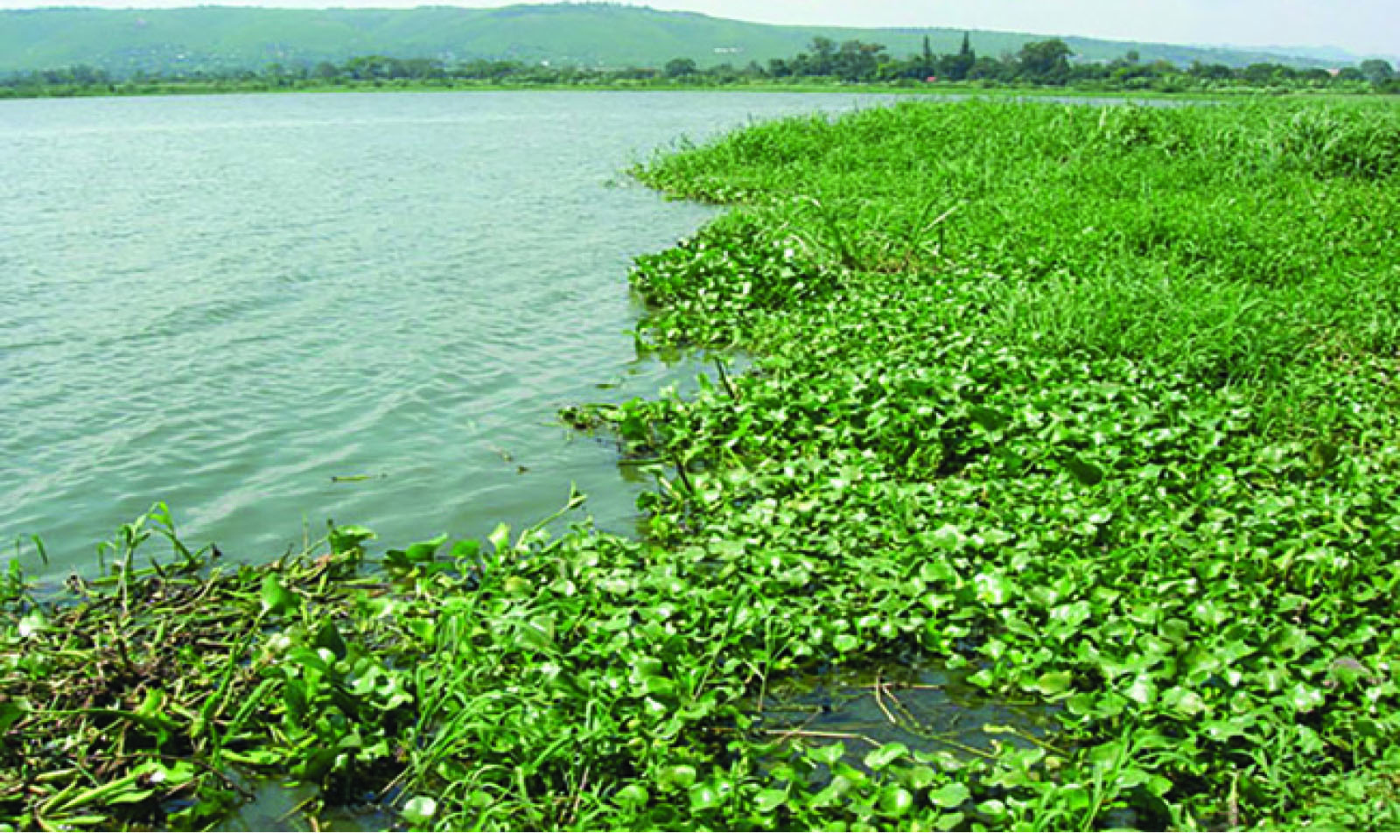
Charles Mavhunga
Introduction
In an era where travellers increasingly seek authentic, purpose-driven experiences, tourism destinations face a critical imperative: environmental protection is no longer optional; it is the foundation of brand credibility.
From the Great Barrier Reef to Kenya’s Maasai Mara, the world’s most successful tourism brands have learnt that ecological integrity directly correlates with visitor appeal and revenue generation. Yet a powerful dimension of this narrative remains underexplored: the transformative role of inclusive environmental stewardship, particularly the participation of persons with disabilities in conservation efforts that enhance tourism destinations.
The story unfolding at Lake Chivero in Zimbabwe offers a compelling case study of this intersection, where two visually impaired activists, Clayton Chinomona and Khumbulani Mabuso, are challenging conventional paradigms about who can contribute to environmental tourism and how destinations build authentic, resilient brands.
The global imperative: Environment as tourism brand foundation
Tourism destinations worldwide have discovered that environmental degradation is brand suicide. Thailand’s Maya Bay, immortalised in the film “The Beach”, was forced to close indefinitely in 2018 after tourist overcrowding devastated its coral ecosystems. The temporary closure, while economically painful, became necessary to preserve the destination’s long-term viability and authenticity.
Similarly, New Zealand has built its entire tourism brand, “100 percent Pure New Zealand,” around environmental stewardship, positioning pristine landscapes as non-negotiable national assets. The country enforces rigorous biosecurity measures, invests heavily in conservation infrastructure, and actively involves communities in protecting tourism resources. This commitment has translated into premium pricing power and sustained visitor growth, demonstrating that environmental protection is economically rational.
Regional examples reinforce this connection. Botswana’s high-value, low-impact tourism model, centred on protecting the Okavango Delta’s ecological integrity, generates substantially higher per-visitor revenue than mass tourism approaches elsewhere in Africa. Rwanda’s mountain gorilla conservation, involving local communities as stakeholders, has transformed the nation’s tourism brand from a post-genocide recovery narrative to a conservation success story, with visitors paying premium prices for authentic wildlife experiences.
Lake Chivero: When environmental neglect destroys tourism potential
Lake Chivero, located just 32 kilometres from Harare, Zimbabwe’s capital, embodies the catastrophic consequences of environmental neglect on tourism branding. Once a thriving recreational destination offering boating, fishing, bird watching, and safari experiences within easy reach of urban centres, the lake now suffers from severe water hyacinth infestation fuelled by inadequately treated sewage discharge.
The ecological devastation is comprehensive: blocked sunlight suffocates aquatic life, fish populations have collapsed, water quality has deteriorated to dangerous levels, and the visual assault of decomposing vegetation repels rather than attracts visitors. Tour operators have quietly removed Lake Chivero from itineraries, hotels face declining occupancy, and local livelihoods dependent on tourism have evaporated.
This crisis mirrors challenges facing resort destinations globally, from Florida’s toxic algae blooms damaging coastal tourism to Lake Victoria’s own water hyacinth battles affecting tourism in Kenya, Uganda, and Tanzania. The pattern is consistent: environmental degradation triggers tourism brand collapse, with economic consequences extending far beyond immediate visitor losses.
The inclusive stewardship revolution
Against this backdrop of crisis, Clayton and Khumbulani’s voluntary commitment to clear 300 metres of Lake Chivero’s shoreline represents a paradigm shift in environmental tourism. Their participation, despite visual impairments, challenges fundamental assumptions about conservation capacity and offers destinations a powerful new branding narrative.
“Disability does not mean inability,” Clayton explains, his hands expertly navigating tangled vegetation. Their involvement has catalysed broader community participation, inspiring youth groups, other persons with disabilities, and concerned citizens to join restoration efforts.
This inclusive approach aligns with emerging global trends in tourism branding. The European Union’s Accessible Tourism initiatives recognise that inclusive destinations, both environmentally and socially, appeal to broader markets and demonstrate values-driven commitment that resonates with contemporary travellers. Costa Rica’s accessible eco-lodges and national parks, designed to accommodate visitors with various disabilities while maintaining rigorous environmental standards, have enhanced rather than compromised the nation’s conservation-focused tourism brand.
Strategic implications for tourism branding
The Lake Chivero experience offers destination managers and tourism authorities several critical lessons for building resilient, authentic brands:
First, environmental protection must be treated as non-negotiable brand infrastructure, not an afterthought. Destinations cannot market pristine experiences while tolerating ecological degradation. Immediate investment in sewage treatment, invasive species management, and conservation monitoring is economically rational when understood as brand preservation.
Second, inclusive environmental stewardship creates powerful marketing narratives that differentiate destinations in crowded markets. Stories of community ownership, diverse participation, and authentic engagement resonate more deeply with contemporary travellers than passive consumption of curated landscapes. Destinations can develop volunteer tourism experiences, conservation participation opportunities, and partnerships with disability organisations that strengthen both brand authenticity and environmental outcomes.
Third, crisis response requires multi-stakeholder collaboration. Lake Chivero’s recovery demands coordination among government agencies, private sector operators, civil society organisations, and individual volunteers. Successful models from Botswana, Rwanda, and Costa Rica demonstrate that inclusive, collaborative approaches generate superior environmental and economic outcomes compared to top-down interventions.
Conclusion
The future of tourism branding lies at the intersection of environmental integrity and inclusive participation. Destinations that recognise environmental protection as fundamental brand architecture, while embracing diverse community involvement in conservation, position themselves for long-term success in increasingly competitive, values-driven markets.
Clayton and Khumbulani’s commitment to Lake Chivero restoration exemplifies this evolution. If two visually impaired activists can dedicate themselves to protecting a tourism resource through hands-on environmental stewardship, they challenge destinations everywhere to reimagine who contributes to conservation and how these contributions strengthen tourism brands.
The lesson is universal: authentic tourism brands are built not merely on pristine landscapes, but on demonstrated commitment to environmental protection and inclusive community engagement. Destinations that embrace this reality will thrive; those that ignore it will watch their tourism potential evaporate alongside degraded ecosystems.
Charles Mavhunga co-authored textbooks in Business Enterprising Skills and is currently studying for a Ph.D. in Management at Bindura University. He can be contacted at [email protected]. Cell: 0772 989 816