Online Reporter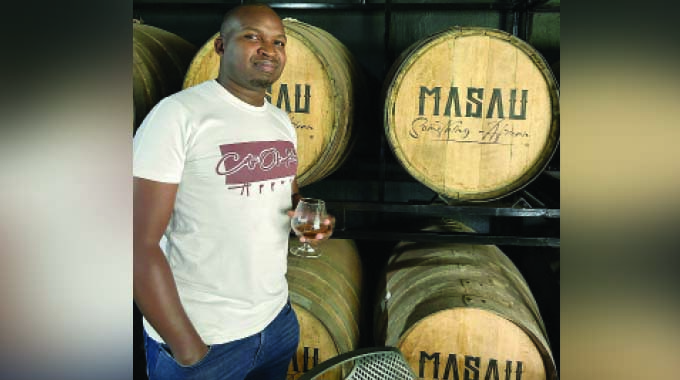
Bruce Ndlovu, Sunday Life Reporter
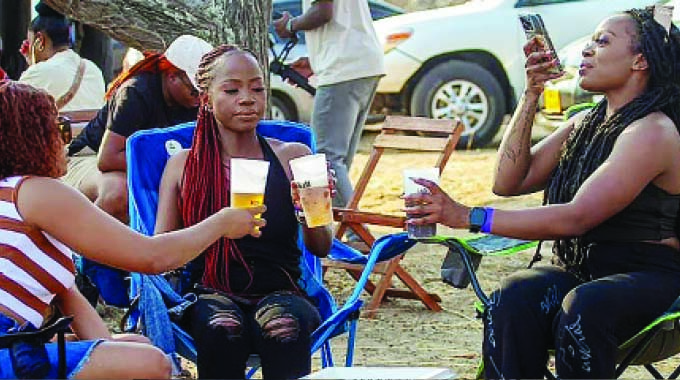
WHEN the Matobo Gin Festival returns for its fourth edition on September 27, most revellers will be preoccupied with the drinks menu.
With the picturesque Matobo balancing rocks and Sandy Spruit Dam in the background, staunch imbibers may find themselves wondering whether there is enough ice at a venue that lies a fair distance from “civilisation” — or whether their drinks have been mixed to the right consistency.
Some might even ponder whether the music playlists have been curated to suit their tastes.
For Dr Langalakhe Moyo, however, such concerns will be far from his mind.
Amid the shared drinks, laughter and dancing, Dr Moyo will likely be focused on how proceeds from this year’s event can once again support wildlife preservation efforts within Matobo National Park, where the festival is held.
“Zimparks are doing a lot already and they need to be supported,” Dr Moyo told Sunday Life in an interview.
“They are doing rhino tracking and it means every day, for 24 hours, they are following those rhinos. They need food, they need drinks, they need regalia and they need communication material.
“There are a lot of things happening there and we need to support Government’s efforts. I do not think they can manage on their own. The private sector needs to come in and make sure that it also supports.”
A spirit with a cause
In 2001, at the height of the Covid-19 pandemic, Dr Moyo — a chemical engineer and senior lecturer at the National University of Science and Technology — founded Comrades Beverages, a Bulawayo-based company crafting unique products such as gin, rum and juices with an indigenous flair.
Their flagship product, Matobo Gin, is infused with local botanicals like baobab and zumbani.
From Bulawayo’s first handcrafted gin, Dr Moyo’s dream of promoting Matobo as both a top destination and a frontline player in wildlife conservation took flight.
Now entering its fourth edition, the Matobo Gin Fest remains committed to its mission — even at the expense of its own balance sheet.
“We have a very beautiful country and Matobo is one of those diamonds we have. There is a lot to enjoy in Matobo, particularly the natural aspects. We want to ensure that we conserve that — whether it is animals or plants.
“That is why we do the clean-up and raise money for Parks. A lot of people do not know that 50 percent of our gate takings go towards Zimparks. We are not necessarily looking to profit from the gin festivals. We do not make money because the other 50 percent goes towards our expenses,” he revealed.
Taking flight with the eagles
This year’s Gin Fest, themed “Something African,” will focus on efforts to save the Marshall Eagle — a bird species found within the national park.
An artistic depiction of the eagle, crafted from disposable waste by renowned visual artiste Leroy “Spinx” Brittain, will be displayed at the festival.
“We are donating bins this year because Parks said they need them. There are not enough bins at most of the camping points. The park needs about 40 bins and while we could not meet that demand, we hope that after our clean-up, more people will contribute.
“We took a busload of volunteers and Parks supplied 20 more. This aligns with the Government’s initiative of clean-ups on the first Friday of every month.
“With the plastic bottles we collected, we created eagle wings. We believe waste is a resource and we want to cultivate that mindset.

“People should not see waste as useless — they should see its value. That is why we engaged Leroy Spinx to create a piece that will be exhibited at the gig,” he said.
Dr Moyo added that their strategy of spotlighting a single animal each year would continue.
“We have learnt that many people want to contribute to animal conservation. Last year, our focus was on the rhino.
This year, it is the Marshall Eagle.
“We have partnered with BirdLife Zimbabwe, which conducts extensive research on birds in the park. It is critical to have as many partners as possible who align with our vision of safeguarding wildlife,” he said.
Community at the centre
Dr Moyo said that after the first three editions, they realised the importance of involving nearby villagers to showcase their work.
“This year, we have engaged the local community to be part of the spectacle. There is a point on the way to Rhodes’ grave where you meet locals selling artefacts. We are inviting them to come and sell their products because we believe the Gin Fest cannot exist without the Matobo community. We also want to empower them economically — this is not just about us or Parks. It has to include the locals,” he said.
The camping component of this year’s festival will run from September 26 to 28 at a nearby farmhouse and will be limited to 30 people.
Dr Moyo noted that despite Matobo being a World Heritage Site, many people remain unaware of its beauty — even those living nearby.
“Last year, we realised people enjoy the outdoors, but many in Bulawayo do not know about Matobo. That is why we have been posting about it on our social media platforms — whether it is the national park, the lodges, Matobo Gin or local crafts. We want to raise awareness about everything connected to Matobo.”


 Bongani Ndlovu