admin
admin
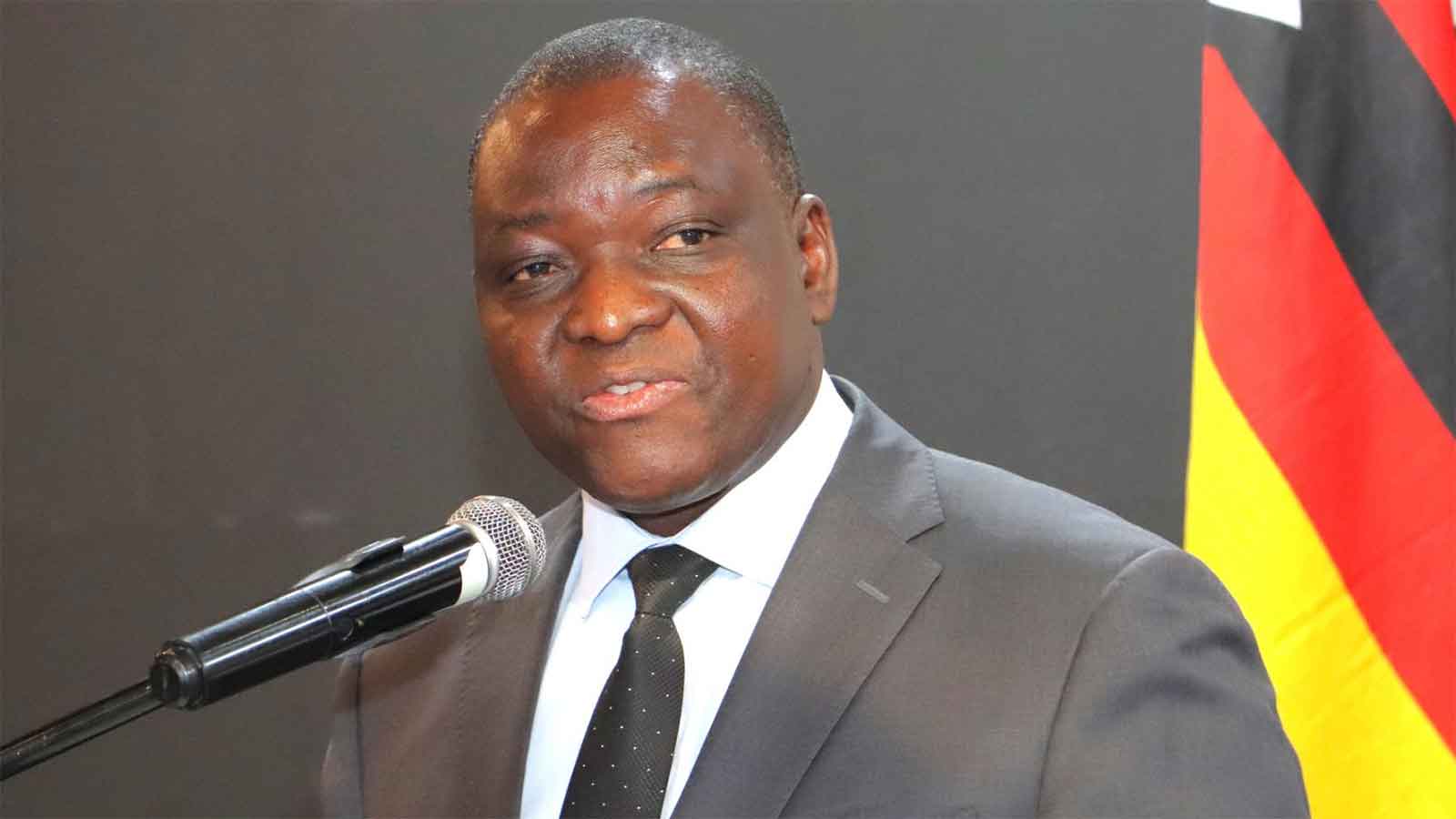
Joel Biggie Matiza Correspondent
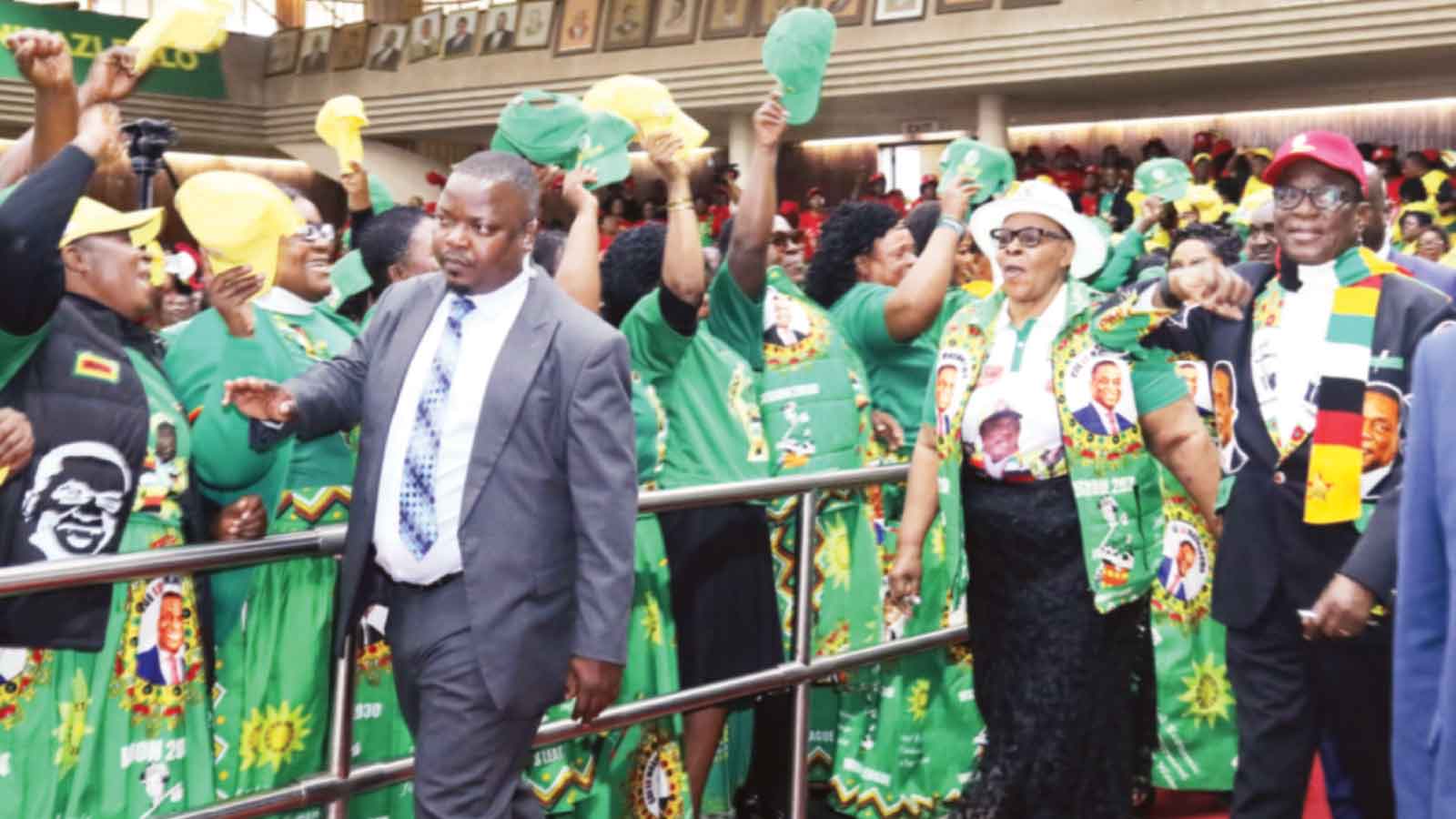
Yesterday Zimbabweans commemorated Unity Day, born out of the signing of an accord between once feuding revolutionary parties, ZANU-PF and PF-ZAPU.
While on paper, the main architects of that unity were President Mugabe and the late Father Zimbabwe, Dr Joshua Nkomo, in reality the unity agreement signed by the two leaders broadly impacted on all Zimbabweans.
Besides the two parties commanding the majority support, the Unity Accord was reached after strenuous years of intense negotiations that involved churches, traditional leaders and local civic groups.
In other words, the Unity Accord had a huge endorsement and buy-in from Zimbabweans from all walks of life for they fervently believed that peace and tranquillity were major ingredients of development and prosperity.
Attempts by some charlatans within our society to rubbish the Unity Accord as some kind of patently non-inclusive project of two political parties is not only misguided but malicious, anti-progress and anti-nation.
In so doing, these charlatans have proved to be agents of retrogression bent on reversing the gains of our liberation struggle.
In their tawdry lives, such charlatans would have preferred Zimbabweans to have plunged into anarchy, chaos and bloodshed in order to justify the racist view that blacks are unable to manage their own national affairs.
Against all odds and despite coming from divergent and different ideological leanings, our leaders Cde Mugabe and Dr Nkomo decided to bury their differences and shamed those who thought otherwise. Once again the Zimbabwean spirit and flag rose above personal interest to become a darling of the sub-region and indeed Africa as a whole.
What Zimbabweans must appreciate is the sheer patriotic zeal that seized the two leaders who decided to put the interests of the nation ahead of their own personal interests.
The attainment of national unity was not an event but a rigorous process that culminated in the then Prime Minister Cde Mugabe granting a general amnesty to dissidents, PF-ZAPU political activists, persons under detention or imprisonment for collaborating with dissidents, every prisoner with up to 12 months still to serve or had already served not less than one third of his or her prison sentence.
In response, Dr Nkomo expressed appreciation for the Prime Minister’s magnanimity.
“Cde Prime Minister through you I express the government and the people of Zimbabwe’s deep appreciation for your tremendous unparalleled hospitality and understanding in ensuring peace in this country,” Dr Nkomo said.
Within weeks of the signing of the Unity Accord and the granting of amnesty to dissidents and political prisoners, there was a massive surrendering of weapons by former dissidents who responded to the call for peace. In essence that response from people regarded as dissidents, who had caused havoc in some parts of Midlands and Matabeleland, was sure-proof of the peace ushered in by the Unity Accord.
It is also important to note that after the signing of the Unity Accord, former adversaries were able to sit on the same table and positively engage in discussions of how to uplift their citizens previously marginalised by years of colonial subjugation. No amount of maligning is able to remove the tag of statesmanship, patriotism and selflessness on the part of both President Mugabe and the late Vice President Nkomo.
The Unity Accord is an agreement that every Zimbabwean must be proud of in that it was a locally brewed initiative without any outside mediation. Zimbabwe could have plunged into another Somalia but the two leaders had foresight and decided to come together under one pact.
Dr Nkomo must also be commended for withstanding pressure from some of his colleagues in ZAPU who felt that the changing of the name to ZANU PF meant the party was to be swallowed up. What has since happened where colleagues across the once politically divided have grown to mutually trust each other is testimony to the enduring aspect of the Unity Accord.
Going forward, I think it is critical for Zimbabweans to continue cherishing the legacy of unity bequeathed to us by our leaders. I also feel that we may need to revisit the issue of naming of our provinces which in my view is a colonial construct meant to perpetuate tribal or ethnic differences. The idea of naming provinces according to the dominant language spoken in a specific area is archaic and is antithetic to the spirit of unity.
There is serious need to consider renaming our provinces to reflect the heterogeneity of demographic outlook now prevailing in the country.
Another issue that I think needs further review is the idea of giving an identity of PF-ZAPU as Ndebele party and ZANU-PF as Shona political party.
As people may be aware, there were so many Shona speaking people in ZAPU as they were Ndebele speaking people in ZANU-PF. As a united party, it should surely stand to reason that the idea of saying ‘former’ ZAPU and former ZANU-PF must now be relegated to the dustbin of history.
As a committed ZANU-PF cadre, I am unapologetic on the fact that if it was not for Dr Nkomo and President Mugabe, Zimbabwe would not have made numerous strides in education where the country is ranked as one of the best in Africa, the indigenisation policy which is meant to make Zimbabweans owners of their means of production and the land reform programme which was meant to correct historical injustices and has empowered more than 300 000 households would not have happened.
We are all inheritors of that unity bequeathed to us by our leaders and it is foolhardy for any people to think of secession. Zimbabwe is a small country and federalism is not the way to go.
We stand united under one flag. Zimbabwe is our homeland and we need to continuously cherish the legacy of peace and unity that we currently enjoy.
- Joel Biggy Matiza is Murehwa South National Assembly Member and Zanu (PF) Mashonaland East provincial chairperson.


 Online Reporter