admin
admin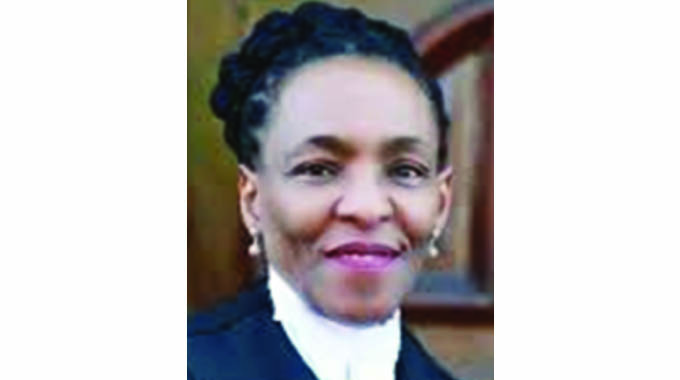
Ruth Butaumocho
African Agenda
The world is riveted with the ongoing Paris 2024 Olympics Games where pulsating, captivating athletic events are keeping millions glued to their television sets.
Events at the Paris La Defence Arena, will probably go down in the annals of history as the first Olympic Games in history with full gender parity on the field of play, thanks to the distribution of an equal number of quota places to female and male athletes by the International Olympic Committee (IOC).
Whether the medals won will equally match the number of participants is a story for another day, but IOC played its part by ensuring that more than half of all medal events at Paris 2024 will be open to female athletes in this highly watched 16-day calendar of events.
When IOC president Thomas Bach and his team were setting provisions for this milestone achievement in gender equality, which the world is now revelling on in Paris, South Africa was also further strengthening its commitment to the gender narrative by appointing the first female chief justice.
The appointment of Mandisa Maya as South Africa’s first female chief justice, from being the deputy chief justice marks a significant milestone in the country’s judicial system and its commitment to give women equal opportunities in positions once reserved for men.
Maya’s appointment is not merely tokenism nor meant to pacify any group, but it is a well-deserved one based on her credentials, competency and experience, having served in many positions within South Africa’s legal system. At one time, she was President of the Supreme Court of Appeal.
Elsewhere similar appointments have preceded in the SADC region, which are largely premised on member country’s commitments to align their operations with the SADC Gender Declaration and Protocol.
The Protocol, which is an instrument for gender equality and women’s empowerment in SADC member states, has witnessed strides in the empowerment of women in various sectors that were once largely dominated by men.
Women now occupy powerful positions across the region premised on their competency, astuteness, powerful leadership skills and a high level of ingenuity.
There are some pockets of happiness that have been recorded in the corporate world, government departments and in politics.
The progress might have been slow in coming, but there has been notable increase, which needs to be sustained through implementation and political will from member states.
Defence ministries in Tanzania, South Africa and Zimbabwe are currently being ably headed by astute women, an affirmation that women are as capable, if not better, once thrust into the position of power.
Outside SADC Togo, Central African Republic, Ethiopia, Gabon, Guinea Bissau and Kenya have had female defence ministers at various stages in their governance architecture, pointing to a growing affirmation of women’s capabilities.
The widespread interest in female defence ministers has also created interest in some societies who now view women differently and in a positive way.
Though such positive developments sometimes court the ire of hard-core traditionalists, some societies are warming up to the changes, discarding the long held notion of gendered expectations about women’s role in politics.
That paradigm shift should be celebrated and encouraged, to promote more opportunities for the female populace across all sectors.
Their presence in areas often considered “hard hat areas” is quite progressive and need the support of the SADC Gender Declaration and Protocol for sustenance and continuity.
In their recent virtual meeting held in June to review progress on SADC gender programme, committee of Ministers Responsible for Gender and Women’s Affairs encouraged member states to prioritise appointment of women in political positions and key decision-making positions.
In her opening remarks, Honourable Anna Paula Sacramento Neto, Minister of Social Action, Family and Promotion of Women of the Republic of Angola, and Chairperson of the Meeting of Ministers Responsible for Gender and Women’s Affairs called on gender and women affairs ministers to address issues of political will and commitment, by bridging the gap between policy intent and policy implementation and allocation of adequate resources towards gender equality and women’s empowerment.
Hon Neto’s observation should not be regarded as a flimsy aspiration but should be urgently addressed it is one of the major impediments of women’s ascendancy in political governance.
Most SADC member countries, if not all, have ratified declarations and protocols that promote gender equality, yet some are yet to domesticate some of the conventions. Others have domesticated, but are yet to put into practice tenets of the protocols, and that alone impedes the ascendancy of women.
As Hon Neto rightly said, the inequality in resources allocation and availability remains yet another impediment towards uplifting women and gender equality in governance issues. Without adequate resources and money for campaigns, it would be practically impossible for women to compete against well-resourced, well connected men with diverse sources of income.
Outside governance issues, SADC countries through the protocol have registered the greatest progress on the minimum legal age of consent to marriage at 18 years for women and men.
The reduction of mother to child transmission of HIV is yet another milestone achievement made in most of the countries in the region.
As the nation prepares for the 44 SADC summit to be held in Zimbabwe in a few weeks, where President Mnangagwa will take over the Chairmanship of SADC, it is important to embrace and commend the positive strides the organ has made in improving the well-being of women.
The beauty about the SADC Gender Declaration and Protocol is that it has become an important vehicle in increasing women’s participation in politics. That alone is an important aspect in securing their access to political life, contributing to democratic development and sustainability.


 Online Reporter