Online Reporter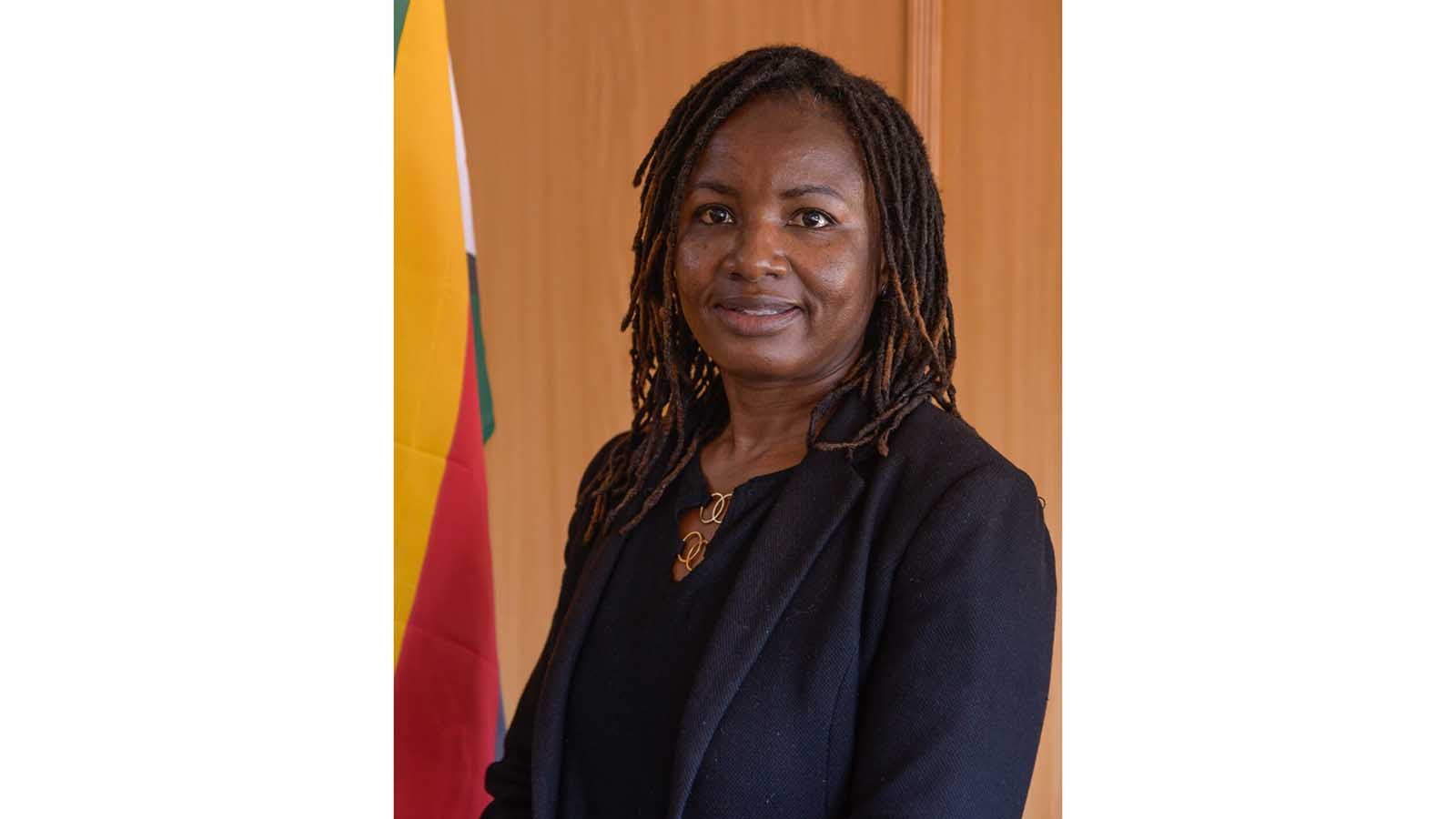
Freeman Razemba
Senior Reporter
ZIMBABWE, Malawi and Mozambique have agreed to address a range of cross-border transport and trade bottlenecks, including high toll fees, border delays, traffic fines and security concerns, in a move aimed at improving the movement of freight and passengers across the region.
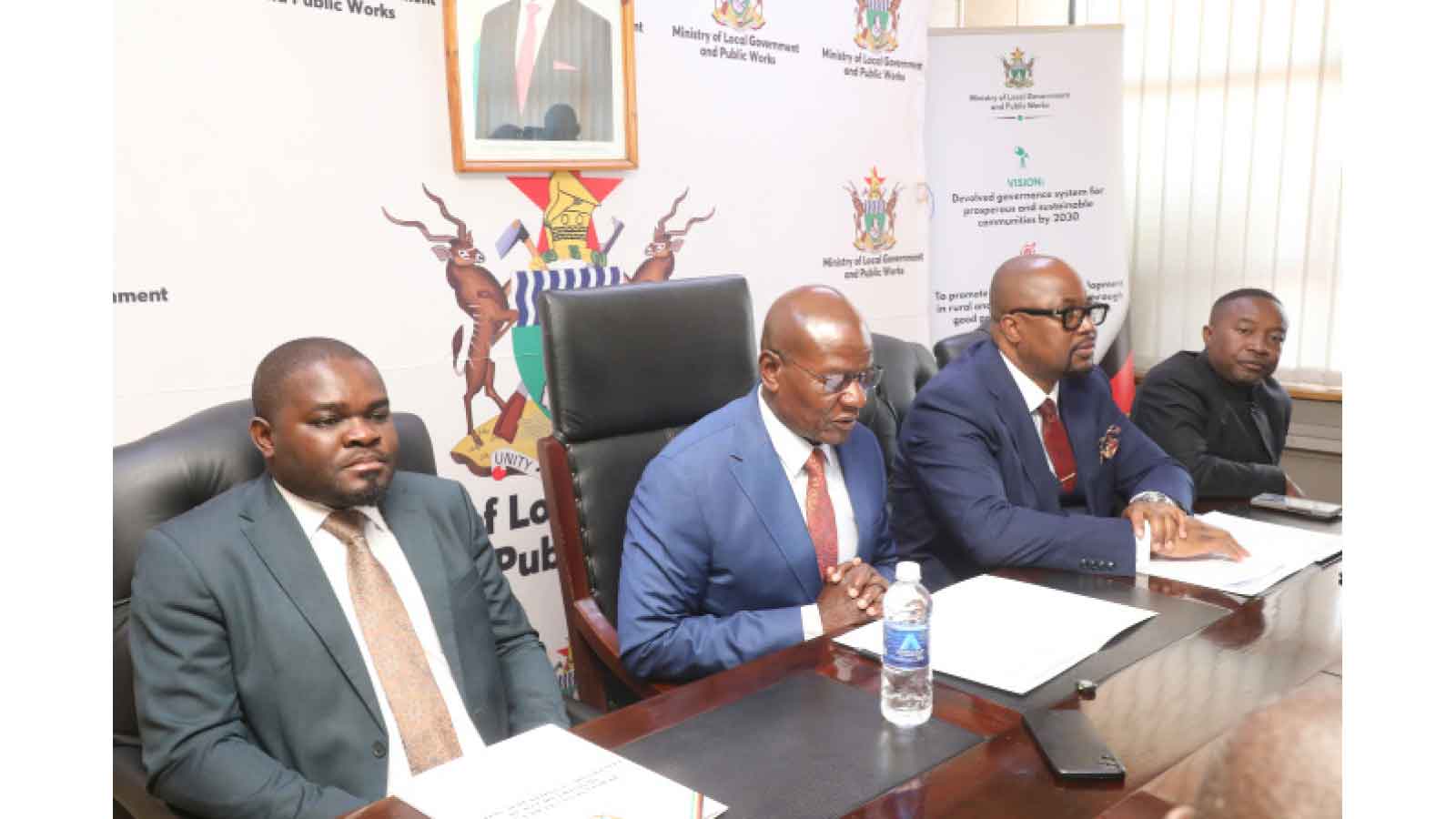
The commitments were made at Trilateral Joint Route Management Group and Joint Committee meetings held in Harare, which brought together senior Government officials from the three countries to strengthen transport connectivity and facilitate regional trade.
The meetings were convened under the framework of bilateral road transport agreements among the three countries, providing a platform to review operational challenges affecting transport operators, traders and travellers.
Among those in attendance were the Ministry of Transport and Infrastructural Development Permanent Secretary, Engineer Joy Makumbe, Malawi’s Permanent Secretary for Transport and Public Works, Mr Bright Kumwembe, and Mozambique’s Director-General for Transport and Logistics, Mr Alberto Matusse, as well as other senior Government officials.
Delegates discussed a wide range of challenges affecting transport operators along regional corridors.
These included high toll fees in Malawi and Mozambique, non-uniform traffic fines in Mozambique, the absence of a publicly available schedule of offences and penalties, reports of requests for unofficial payments and Mozambique’s additional toll charges on super-link trucks and second trailers.
The meeting also considered concerns over Mozambique’s requirement that trailer drop sides should not be removed, with transporters reportedly facing penalties when they do so.
Other issues discussed included the removal of carbon tax levies in Zimbabwe and Malawi, congestion and delays at the Port of Beira, delays at the Machipanda Border Post, requirements for transporters to carry truck and trailer registration books together with cross-border permits, and the non-recognition of Zimbabwe’s SADC driving licence.
Delegates further deliberated on restrictions preventing Malawian transporters from purchasing toll-fee booklets in Mozambique, security concerns and criminal attacks targeting foreign trucks along the Beira Corridor, as well as the mutual recognition of digital permits.
In an interview, Eng Makumbe said the three countries had reached several resolutions and committed to finding lasting solutions to the challenges raised during the meetings.
“On high toll fees in Malawi and Mozambique, Member States agreed to urgently review their respective toll fee structures with the objective of aligning them to the SADC prescribed US$10 per 100 kilometres.
“Member States further resolved to provide information on the toll fee structures and related cross-border fee structures and give feedback to the Trilateral Joint Committee after completing their internal consultations and assessments,” she said.
The resolutions are expected to improve the efficiency of regional transport corridors, reduce the cost of doing business and enhance trade among the three countries.
Mozambique will host the next Trilateral Joint Route Management Group and Joint Committee meetings by June 30, 2027.