Online Reporter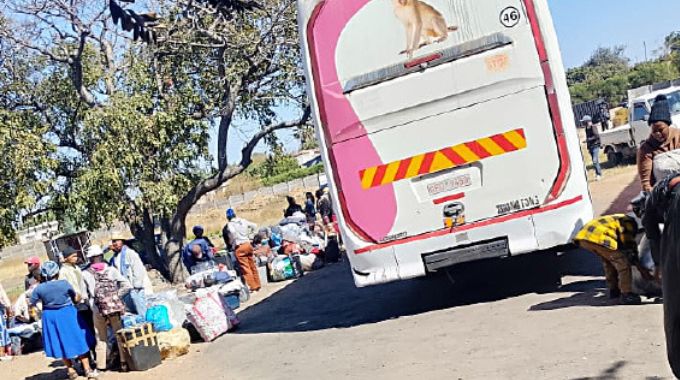
Desire Munyanyi, [email protected]
The recent wave of anti-immigrant protests in South Africa has forced thousands of Zimbabweans to make the difficult journey back home, many leaving behind businesses, jobs, possessions and, in some cases, decades of hard work.
Reports indicate that large numbers of Zimbabweans have returned home through the Beitbridge Border Post and other entry points as insecurity and uncertainty grew in parts of South Africa.
The number of Zimbabwean nationals who have returned from South Africa since May 2026 is estimated to be over 80,000. These are all people who had lives and jobs, thousands of whom are schoolchildren.
While circumstances surrounding their return are unfortunate, Zimbabwe has an opportunity to transform this challenge into a national development success story. Rather than viewing returning citizens as a burden, the nation should see them as valuable human capital bringing with them experience, skills, entrepreneurship and resilience acquired in one of Africa’s largest economies.
Zimbabwe has always demonstrated remarkable resilience in difficult times.
Throughout history, our people have shown an ability to rebuild, adapt and contribute wherever they find themselves. It is now time to channel that same spirit into welcoming home fellow Zimbabweans and helping them rebuild their lives with dignity.
Reintegration should begin with social acceptance. Returning citizens should not be made to feel like strangers in their own country. Communities, churches, traditional leaders, civil society organisations and local authorities all have an important role to play in ensuring that families returning from South Africa are received with compassion rather than prejudice.
Many return carrying emotional scars after experiencing intimidation, displacement and uncertainty. A welcoming community can become the first step towards healing. In these moments, we need to be our brothers’ keepers as we chart a way forward.
Education is another critical pillar. Numerous school-going children have had their education disrupted. The Government, working together with schools and development partners, should facilitate smooth enrolment and integration into Zimbabwean schools without unnecessary bureaucratic hurdles.
Bridging programmes may also be required to help learners adjust to curriculum differences and continue their education with minimal interruption. Investing in these children is investing in Zimbabwe’s future.
For young adults and professionals, recognition of qualifications and skills acquired outside the country will also be important. Many return with expertise in construction, manufacturing, hospitality, healthcare, information technology, transport and other sectors.
These skills should be incorporated into national development rather than being left idle.
The economic dimension of reintegration deserves equal attention. A significant number of Zimbabweans returning from South Africa have operated small businesses, managed retail shops, worked in agriculture, construction, logistics, and various other sectors. Their practical experience can strengthen Zimbabwe’s own productive sectors if properly harnessed.
Government programmes supporting entrepreneurship, vocational training and access to finance could prioritise returning citizens who wish to establish businesses at home. Small and medium enterprises remain among the country’s biggest employers, and empowering returnees to become job creators and not job seekers would benefit the wider economy.
Special attention should also be given to agriculture. Many returnees come from rural communities where access to land, irrigation schemes, livestock projects and value-addition initiatives can provide sustainable livelihoods.
Integrating returning citizens into ongoing rural industrialisation and agricultural transformation programmes would contribute towards food security and rural economic growth.
At the same time, the private sector should view returning Zimbabweans as a valuable labour pool. Employers often seek experienced workers who understand discipline, customer service and productivity. Many returnees possess those qualities after years of working in competitive industries across the border.
The current situation also reminds us of an important national lesson. Sustainable prosperity is best secured when opportunities exist at home. As Zimbabwe continues implementing programmes aimed at industrialisation, infrastructure development, mining, agriculture and innovation, creating more employment opportunities locally will reduce the need for citizens to seek livelihoods elsewhere.
Equally important is preserving the historic friendship between Zimbabwe and South Africa. The unfortunate actions of some groups should not define relations between two nations whose histories and liberation struggles are deeply intertwined.
Zimbabweans and South Africans have long shared economic, cultural and family ties that must continue to be strengthened through mutual respect and cooperation.
Ultimately, every Zimbabwean returning home deserves not only sympathy but opportunity. They are not simply returning migrants, but they are parents, entrepreneurs, artisans, professionals and future investors, whose contribution can accelerate national development if given the right environment.
History has shown that nations become stronger when they unite during moments of adversity. The return of our fellow citizens should, therefore, be viewed not as a crisis, but as an opportunity to tap into their experience, restore their dignity and collectively build a more prosperous Zimbabwe.
Together, the Government, business, communities and ordinary citizens can ensure that every Zimbabwean returning home finds not despair, but hope; not rejection, but belonging; and not unemployment, but a meaningful chance to contribute to the country’s journey towards Vision 2030.