admin
admin
Sifelani Tsiko, Zimpapers Elections Desk
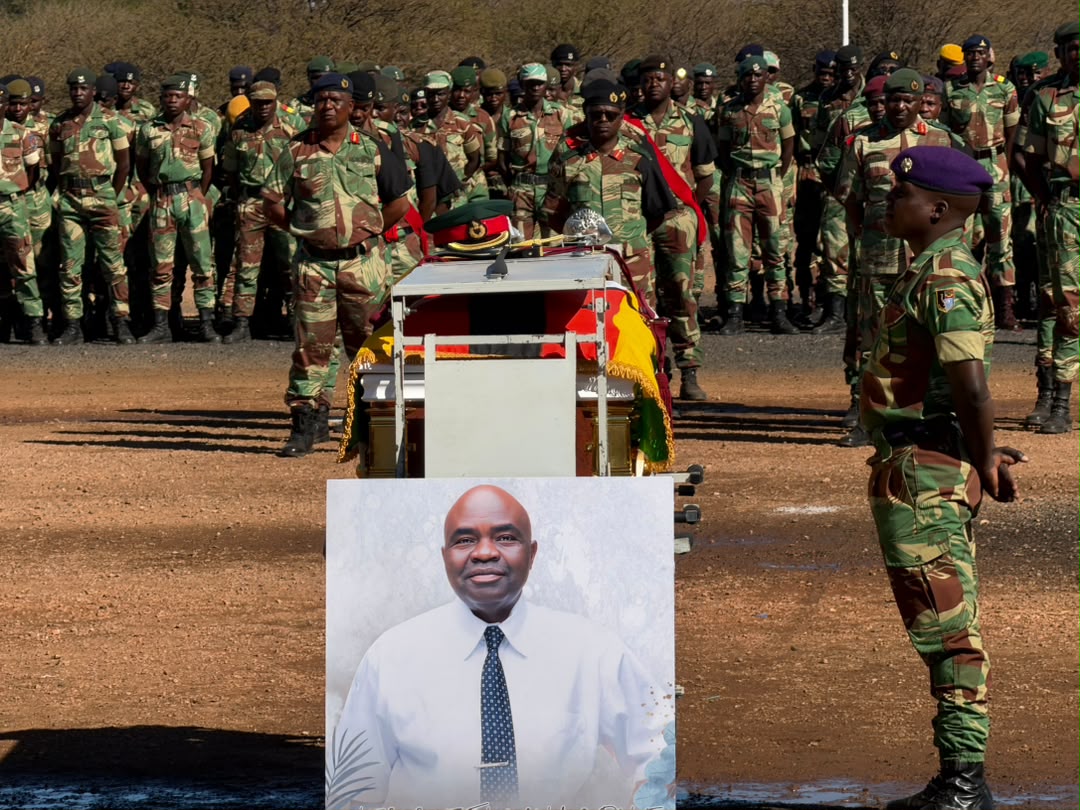
The real meaning of the Heroes Day is to remember and honour those men and women who made the ultimate sacrifice for our country and for our freedom.
This day gives us time to pause and reflect on the immense sacrifices made to free up Zimbabwe. Every year, there is a tradition of placing flowers or flags on the graves of fallen heroes. It is an important time to feel and share the extraordinary story of the heroes of Zimbabwe who selflessly laid down their lives for our nation’s sovereignty.
Our heroes in many varied ways were at the epicentre of a brutal guerrilla war that spanned from the 1960s to 1980 when the country gained its independence.
This conflict resulted in the liberation of our country and the establishment of the freedoms and milestones we see today.
Throughout this period, countless men and women displayed unimaginable bravery, fighting against all odds to secure a brighter future for Zimbabwe.
Various heroes have been honoured for their participation in the armed struggle and in the post – independence period.
It is crucial to remember the sacrifices of our national heroes and to ensure that their legacy is preserved for future generations.
As we celebrate Heroes Day, the Zimpapers Elections Desk reflects on the numbers that have been honoured and memorial shrines that have been built in honour and appreciation of all those who have shaped our country as we know it today.
Since independence in 1980, a total of 202 heroes have been honoured in Zimbabwe. Out of this total of countless men and women who displayed unimaginable bravery, fighting against all odds to secure a brighter future for Zimbabwe, 166 are interred at the National Heroes Acre, 18 outside the National Heroes Acre, 3 at Pelandaba Cemetery, 8 at Lady Stanley and 7 at Chinhoyi.
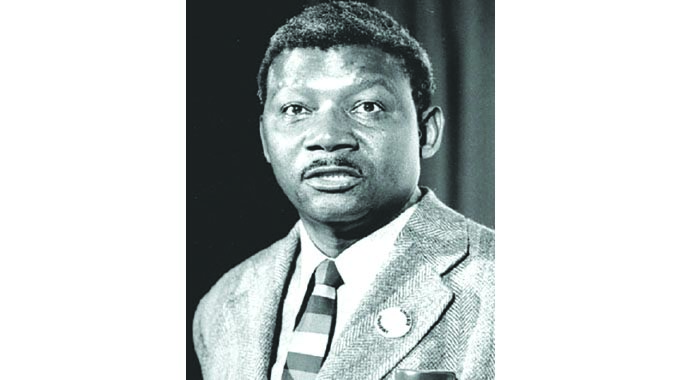
The first heroes to be interred at the National Heroes Acre included Cdes Herbert Chitepo, Jason Moyo, George Silundika, Josiah Magama Tongogara and Leopold Takawira.
“Our Liberation heritage is extensive in scope, content and location. Exact number of sites both internally and externally cannot be determined as new sites continue to be discovered everyday,” said Dr Godfrey Mahachi, National Museums and Monuments of Zimbabwe (NMMZ) executive director.
Thousands of freedom fighters lie in unmarked or mass graves across the country and outside Zimbabwe’s borders.
“The National Heroes Acre, our revered shrine, is the pride of the people of Zimbabwe. It is a symbol of bravery and selflessness for those whose remains are laid to rest there. Towering and selflessness for those remains are laid to rest there.
“Towering majestically is the Tomb of the Unknown Soldier, which symbolises the final resting place for tens and thousands of Zimbabweans who sacrificed their lives for the sake of our freedom and independence, but whose remains are scattered in valleys, disused mines, caves, unknown graves and mass graves spread across the nation and in neighbouring states.”
NMMZ managed internal sites or shrines include:
— Sites where major ambushes, battles or ‘contact’ associated with the liberation wars took place (e.g. Chinhoyi, Zidube, Hwange battles, Altena Farm, Grand Reef)
— Massacre sites (e.g. Kamungoma, Hurodzavasikana, Karima, Cross Jotsholo)
— Burial sites and mass graves for guerrillas or civilians killed during the liberation war (e.g. Ruombwe Mountain, Ruda)
— Detention and restriction camps (e.g. Gonakudzingwa, Sikombela)
— Protected villages/keeps (e.g. Chiweshe, St Annes, Fort Misery)
— Mass mobilisation/Pungwe sites
— Base camps
— Assembly points (e.g. Dzapasi, Magurekure)
— National, Provincial and District Heroes Acres
— Designated reburial sites (e.g. Chibondo, Matumba Six, Butcher Site)
— Buildings associated with the liberation struggle (e.g. Mai Musodzi Hall, Stanley Hall and Square)
— Street/buildings named after liberation icons
— Statues (J.M. Nkomo, and Nehanda Statues)
— Parks and open spaces (e.g. Africa Unity Square, Highfield ground)
— Liberation routes and crossing points.
A number of sacred shrines were built to honour the heroes of Zimbabwe that include national leaders, freedom fighters and dedicated supporters of the national liberation struggle who participated in or undertook revolutionary activities that contributed directly to the final victory and declaration of independence on April, 1980.
Eternal Shrines
— Military bases/camps (e.g. Tembwe, Chimoio (Mozambique), Freedom camp, Mulungushi, Mkushi (Zambia), Mgagao (Tanzania), M’Mboma (Angola).
— Refugee camps (e.g. Nyadzonia, Doroie, (Mozambique), Victory Camp (Zambia).
— Transit camps (e.g. Xai Xai, Mapai, Nyangau (Mozambique), Nampundwe (Zambia).
— Mass graves and memorial shrines (e.g. Freedom camp (Zambia), Chimoio (Mozambique).
— Historic houses (Chitepo Houses in Lusaka/Dar es Salaam.
— Sites of significant events (e.g. Tongogara crush site, Nikita Mangena ambush site)
— Battle sites (Kavalamanja (Zambia), Mavonde (Mozambique)
“Ever since assuming the management of the National Heroes in 1994 National Museums and Monuments of Zimbabwe has made significant strides in the development of liberation war shrine inside and outside Zimbabwe,” Dr Mahachi said.
“However the task of managing liberation war shrines has been overwhelming to the organisation mainly due to financial constraints that have affected the mobilisation of human and material resources.
“Without adequate funding from treasury, the NMMZ Board of Trustees cannot be in a position to fulfil the country’s expectations of making the shrines iconic symbols of the supreme sacrifice made by the departed sons and daughters of the soil.”
The NMMZ has the mandate to manage the following national monuments:
— National Heroes Acre
— All Provincial Heroes Acres
— Sikombela
— Joshua Nkomo’s statue
— Gomba Mazowe Valley – 1st Chimurenga
— Freedom Arch
— Chinhoyi Battle Site
— Mbuya Nehanda Statue
— Pupu -Shangani Battle Site
— Kamungoma Massacre Site
The NMMZ now has plans to expand the National Heroes Acre and other shrines that are still being discovered.
Under the Zimbabwe Liberation War Museum Project, Cabinet adopted the construction of Zimbabwe Liberation War Museum at the National Heroes Acre in Harare.
“The Zimbabwe Liberation War Museum Project envisages the establishment of a grand state of the art museum, the first museum to be exclusively dedicated to the collection, preservation and presentation of materials on Zimbabwe’s colonial experience and liberation struggle,” Dr Mahachi said.
“The National Heroes Acre Extension projects also seeks to add an additional 104 graves to the national shrine.”
Realising the extensiveness of the work that needs to be done in preserving Zimbabwe’s Liberation Heritage internally and externally, NMMZ also seeks to launch and implement the Zimbabwe Liberation heritage programme
This programmes aims to identify Liberation Heritage in all its forms, document Liberation Heritage, protect and preserve Liberation Heritage, presentation the Liberation Heritage and conduct exhumations, repatriations and reburials of liberation war victims.
Zimbabwe salutes and pledges to honour the countless unsung heroes whose enduring legacy should inspire us to build a stronger and more prosperous Zimbabwe for generations to come.


 Online Reporter