Online Reporter
Business Reporter
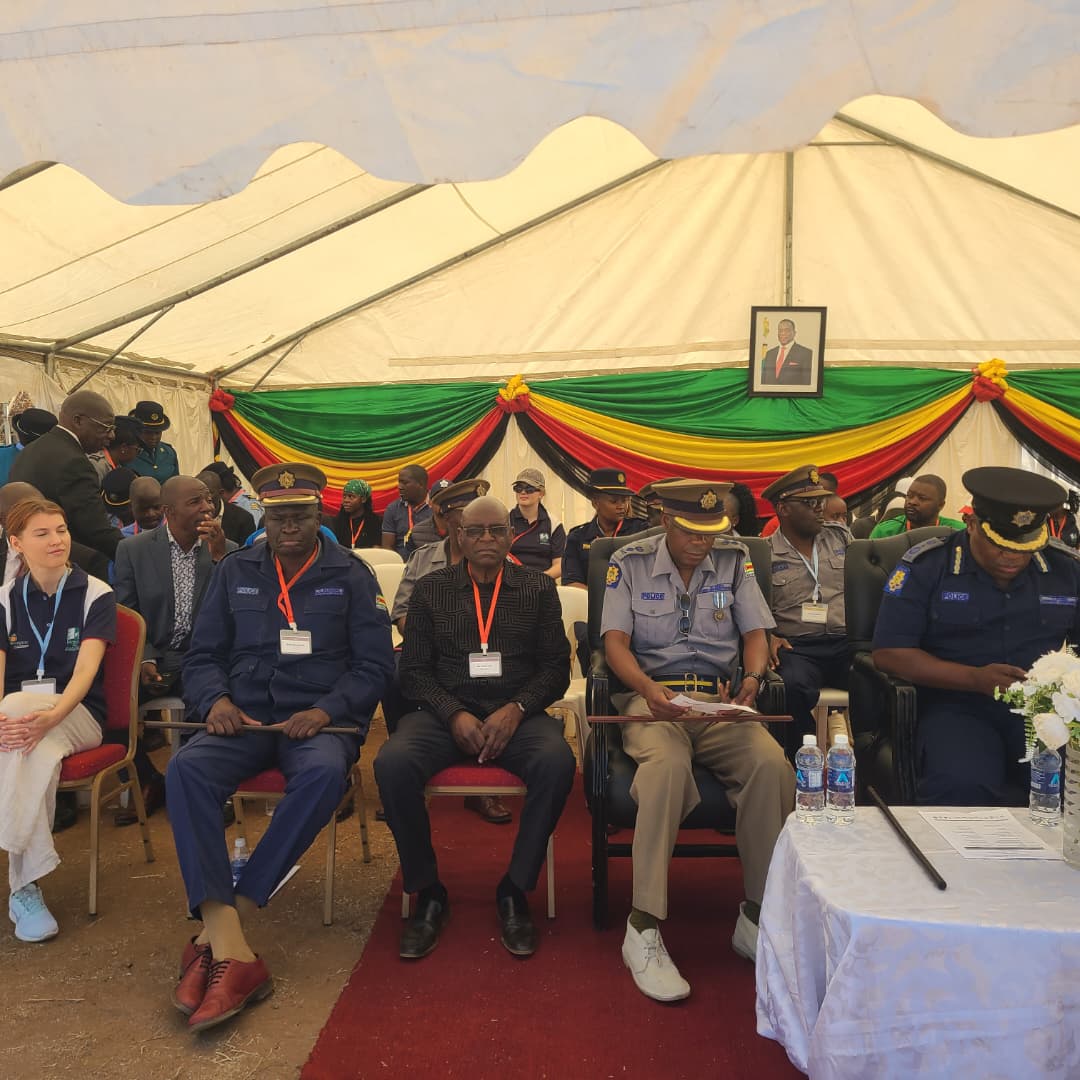
ZIMBABWE reaffirmed the critical role of diaspora remittances in driving economic growth, investment and rural development by organising a high-level stakeholder dialogue meeting to mark the International Day of Family Remittances (IDFR).
The Reserve Bank of Zimbabwe (RBZ), the International Organisation for Migration (IOM) and the International Fund for Agricultural Development (IFAD) organised the event.
The IDFR is observed on the 16th of every month, but the central bank and its partners commemorated the day on Friday.
Government officials, financial institutions, development partners, fintech firms and diaspora representatives attended the event convened under the theme “Remittances for Rural Resilience, Entrepreneurship and Employment.”
Diaspora remittances remain one of Zimbabwe’s most important sources of foreign currency, contributing about 8,1 percent of gross domestic product and accounting for 15 percent of the country’s foreign currency receipts.
Beyond supporting household consumption such as food, education, healthcare and housing, policymakers say remittances have the potential to become a major driver of investment, financial inclusion and enterprise development.
RBZ Governor Dr John Mushayavanhu said remittances were a strategically important component of Zimbabwe’s financial ecosystem.
“Diaspora remittances are not only a vital source of foreign exchange, but a strategically important component of Zimbabwe’s financial ecosystem,” he said.
“As the Reserve Bank, our priority is to ensure that these flows are intermediated through safe, efficient and transparent formal channels that enhance consumer protection, strengthen regulatory oversight and support financial stability.”
Dr Mushayavanhu said the central bank was pursuing policies and partnerships aimed at promoting formal remittance channels while leveraging digital financial services to expand access, particularly in rural communities.
“Through deepening financial inclusion and fostering innovation, we can unlock the full potential of remittances, transforming them from household support mechanisms into catalysts for investment, enterprise development and inclusive economic growth,” he said.
Despite steady growth in remittance inflows, authorities acknowledge that challenges remain, including the continued use of informal transfer channels, limited diaspora investment products, low levels of financial and digital literacy, and inadequate mechanisms for mobilising diaspora capital into productive sectors.
IOM Zimbabwe head of programmes Ms Rita Gwarada said migrants and diaspora communities were among Zimbabwe’s most important development partners.
“They contribute not only through remittances but also through investment, innovation, knowledge transfer and transnational networks,” she said.
Ms Gwarada said creating an enabling environment for safe, affordable and productive remittance flows would help accelerate resilience, financial inclusion and sustainable development.
“Looking ahead, IOM remains committed to working with the Government of Zimbabwe and partners to transform remittances from a lifeline for families into a driver of long-term economic opportunity and shared prosperity,” she said.