
Business Reporter
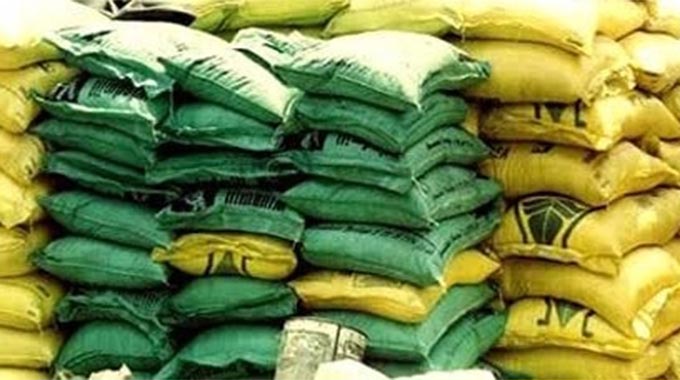
Fertiliser prices could significantly drop if manufacturers restore dilapidated primary production facilities and supply chain infrastructure.This is according to a report by the Parliamentary Portfolio Committee on Industry and Commerce, following briefings by several blenders and manufacturers.
The fertiliser companies gave detailed accounts of possible reductions in fertiliser prices if primary raw material production is restored and operational bottlenecks are resolved.
Zimbabwe Fertiliser Company (ZFC) management, led by Dr Richard Dafana, informed the committee that fertiliser prices of US$15 to US$20 per 50kg bag of top dressing were achievable if the domestic value chain operates efficiently.
Dr Dafana emphasised that reaching the price point depends on continuous production at primary entities such as Dorowa Minerals, ZimPhos and Sable Chemicals, supported by rail infrastructure and adequate working capital to lower unit costs through economies of scale.
Management at ETG fertiliser also reported that under stable operating conditions and increased local sourcing of raw materials, the company could supply a 50kg bag of basal fertiliser at between US$25 and US$27.
At an average cost of between US$48 and US$55 per 50 kg bag for top dressing, elevated fertiliser prices place a heavy financial burden on domestic farmers.
This price starkly contrasts with regional averages in Zambia (US$30–US$35) and South Africa (US$35–US$40.
According to a report, Zimbabwe spent US$2,11 billion on fertiliser imports between 2018 and 2024.
The massive import drain continues despite the country having an annual domestic processing capacity of two million tonnes against a national demand of 780 000 tonnes.
Blending accounts for 1,6 million tonnes of the total two million tonnes of installed local capacity.
The high price of fertiliser remains the single largest input burden for Zimbabwean farmers, who currently pay some of the highest prices in the region due to the total shutdown or severe underperformance of State-owned primary production facilities.
Agriculture is the absolute backbone of Zimbabwe’s economy, functioning as the primary engine for rural livelihoods, industrial supply, and macroeconomic stability.