Online Reporter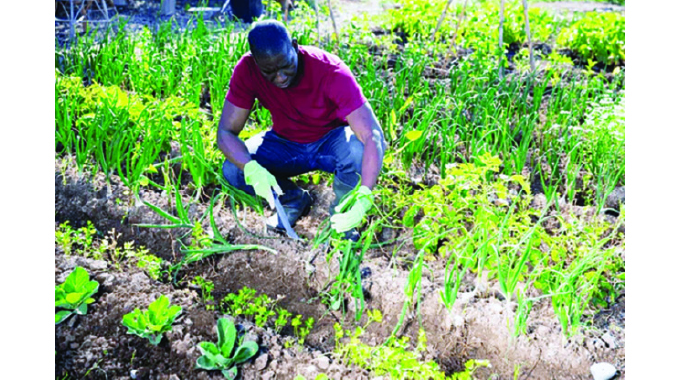
Now, dementia patients are reaping the benefits with “care farms” prescriptions.
Marianne Rogstad, a retired grandmother from Norway, is a lifelong learner. She worked as a hotel clerk in Switzerland for five decades, where she spent her days immersed in new languages and cultures.
But when Rogstad returned to Norway, she was diagnosed with dementia. She soon became isolated and lost those sources of stimulation. That was until she joined Impulssenter — a small “care farm” outside of Oslo. The care farm borrows its name from the way it serves people’s impulses to work and connect with others, says Henreitte Bringsjord, whose parents founded the farm.
Five minutes to stay young
From reading a page of a book every day to knee-strengthening exercises, this series looks at simple lifestyle changes you can make now that will have a big impact on how you age. The best part? They all take less than five minutes.
“My mum and dad loved farm work, and they thought about how hard it is for people with dementia to stop working and lose their social life. So, they wanted to help people with dementia become a part of life again,” says Bringsjord, who now co-manages the farm.
In 2015, Norway became one of the first countries to create a national dementia care plan, which includes government-offered daycare services such as Inn på tunet — translated as “into the yard” —or care farms. Now, as researchers recognise the vast cognitive benefits of working on the land, more communities are integrating gardening into healthcare — treating all kinds of health needs through socially-prescribed activities in nature, or green prescriptions.
“Nature prescriptions can increase physical activity and social connection while reducing stress, which have multiple positive knock-on effects for blood pressure, blood sugar control and healthy weight, reducing the risk of diseases that can lead to dementia,” says Melissa Lem, a family physician based in Vancouver and researcher at the University of British Columbia, Canada — where she examines the opportunities and barriers around nature-based prescriptions. “We all know that more physical activity improves mental and physical health, but gardening supercharges those benefits,” she says.
New data sheds light on the advantages of spending time gardening. In a first-of-its-kind study, researchers from the University of Edinburgh investigated if there might be a link between gardening and changes in intelligence in our lifetimes. The study compared the intelligence test scores of participants at age 11 and age 79. The results showed those who spent time gardening showed greater lifetime improvement in their cognitive ability than those who never or rarely did.
“Engaging in gardening projects, learning about plants and general garden upkeep involves complex cognitive processes such as memory and executive function,” said Janie Corley, the study’s lead researcher, in a press release.
Corley says some of those benefits may come from the “use it or lose it” cognitive framework, a theory that suggests the strength of our mental abilities in older adulthood depend on how frequently we use them. When we neglect to perform tasks that stimulate certain parts of our brain, those parts of our brain begin to lose their functionality, but regularly engaging in these activities — such as problem solving, learning a new skill or being creative — in older adulthood can have the opposite effect.
One 2002 study of more than 800 nuns in the United States found that frequently participating in cognitively stimulating activities reduced their risk of Alzheimer’s disease. A more recent study of older adults in Japan found participation in meaningful activities could protect against declines in memory function. Meanwhile, other research has found that people who received an intervention of cognitively stimulating activities, typically in a social setting, saw improvements in cognition, mood, communication and social interaction.
And gardening appears to have specific cognitive benefits. For one thing, gardeners seem to experience gains in the nerve levels of brain-derived neurotrophic factor (BDNF), a protein that plays an important role in the growth and survival of neurons. They also receive boosts to their vascular endothelial growth factor (VEGF), a protein associated with improving cognitive functioning.—BBC