Online Reporter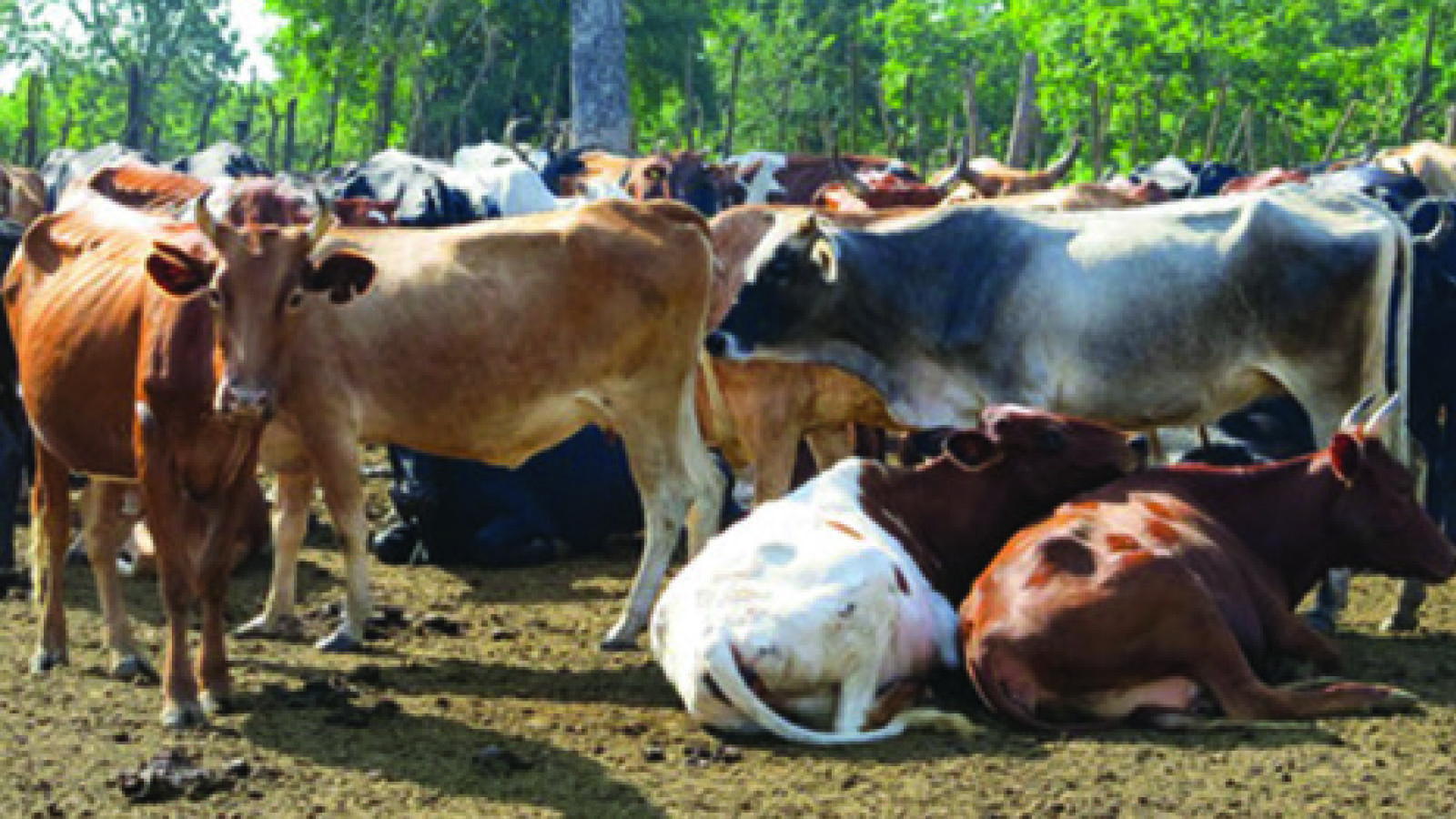
Godfrey Manyawu, Thembinkosi Baleni and Johnson Siamachira
AS the scorching sun beats down on the parched earth, smallholder farmers in Zimbabwe face daunting challenges during the dry season.
Livestock, the backbone of rural livelihoods, often suffer due to insufficient feed and water.
Yet, hope shines through the dust of the drought as the International Livestock Research Institute (ILRI) introduces a ground-breaking solution: nine climate-resilient and cost-effective feed supplements designed to sustain cattle, goats, and sheep.
ILRI’s new forage-based feeds were evaluated in farmer-managed trials in different parts of the country.
These innovative feeds, developed from hardy forage legumes like velvet beans (Mucuna pruriens) and lablab (lablab purpureus), provide a sustainable alternative to the costly commercial feeds that have long burdened farmers.
The initiative boosts livestock productivity and climate resilience by introducing drought-tolerant fodder crops.
While traditional feeds, primarily composed of cereal and oilseed byproducts, can be prohibitively expensive and difficult to access, ILRI’s new formulations promise to empower farmers, improve livestock health, and enhance their income.
The international organisation, part of CGIAR, works to improve food security and reduce poverty through research for better and more sustainable use of livestock.
ILRI’s initiative is not just about livestock feed.
It is a lifeline for the 5,74 million cattle and 3,5 million goats in Zimbabwe, where 90 percent of the beef cattle reside and are owned by smallholder farmers.
With the Government aiming to double the beef herd by 2030, these climate-relevant feeds could significantly impact productivity, reduce livestock mortality rates, and promote economic resilience in rural communities.
Livestock provides income and employment to farmers, agricultural service providers, and other actors involved in the value chain.
The country’s livestock production system is characterised by small-scale subsistence farming.
Despite the importance of livestock to rural livelihoods, the sector’s productivity remains low, a situation that is linked to farmer behaviour, feed unavailability and cost, poor quality of animals, diseases and frequent droughts.
Climate-relevant livestock production practices such as fodder management and conservation can increase livestock productivity in Zimbabwe.
However, the adoption rate of fodder-related technologies is low due to the fact that services for farmers are inadequate, including policy environment and extension methods and developmental approaches used by change agents, such as national researchers and extension services (NARES), non-governmental organisations, and even private sector companies.
In Ward 25 in the Madziva area of Shamva District, Mashonaland Central Province, farmer Willis Nyamusanduka has seen remarkable improvements in the productivity of his goat herd.
“We started with 12 goats in 2021,” he recalls.
“ILRI introduced us to growing forages like lablab and velvet beans. From 2023 to 2025, we have sold 56 goats, earning more than ever before.”
Erenica Chikuruwo, a farmer from Murehwa in Mashonaland East Province, echoes Nyamusanduka’s sentiments.
“Access to economic opportunities was a challenge,” she admits.
Through ILRI’s trials, she learnt to cultivate drought-resistant fodder crops.
“Now, we sell our cattle for better prices, thanks to ILRI’s feeds,” she says.
Chikuruwo’s experience is emblematic of a broader struggle faced by Zimbabwean farmers.
ILRI’s former senior forage scientist, Dr Godfrey Manyawu, says, “The new feeds are designed to be mixed at home, using locally available ingredients, which makes them accessible and affordable for smallholders.”
During the 2025/2026 farming season, farmers in Madziwa produced US$20 000 worth of fodder.
The development of these feeds stems from a 12-year research collaboration among ILRI, Agricultural Research, Innovation and Specialist Services (ARISS)), formerly the Department of Research and Specialist Services, and various international bodies. The research collaboration was funded by various organisations, including the Australian Centre for International Agricultural Research (ACIAR), the European union and two CGIAR initiatives (Ukama Ustawi and Scaling for Impact).
The feeds were carefully formulated to ensure high protein content while remaining adaptable to Zimbabwe’s erratic climate. They have already been certified by the Fertiliser and Farm Feeds and Remedies Institute (FFFRI) in the Ministry of Lands, Agriculture, Fisheries, Water and Rural Development.
Dr Manyawu explains, “Our formulations are based on legumes that thrive in both drought and excessive rainfall conditions. This adaptability is crucial for farmers facing the unpredictability of climate change.”
“The idea of testing new innovations has paid off. Despite the poor sandy soils in Buhera District in Manicaland Province, these fodder crops have done well!” says Thembinkosi Baleni, ILRI’s research associate, who was part of the research team.
“This means we now have a more diverse range of fodder crop species that can be grown in these semi-arid conditions.’’
Enterprising farmers in the communal areas often spend up to 70 percent of their livestock production costs on feed alone. The wholesale price of commercial feed remains high, largely due to the reliance on imported raw materials like soya beans and cotton seed cake.
For example, early trials in Beitbridge showed that Matabele goats maintained their body condition when supplemented with a mix of velvet bean hay and maize stover.
Goats receiving these supplements achieved an average daily weight gain of 63 grammes, compared to those relying solely on natural grazing that lost weight.
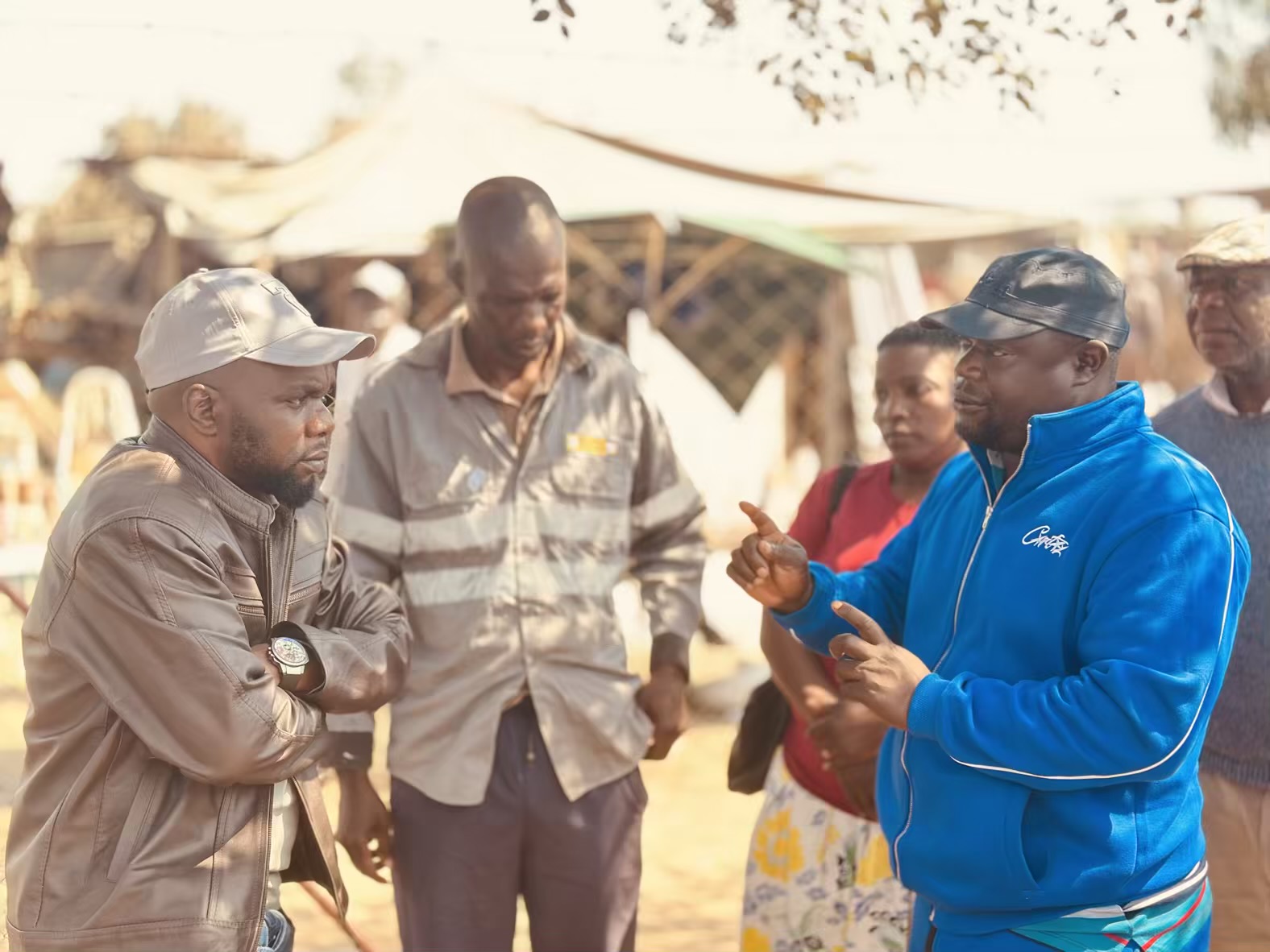
Theresa Rukuni from ARISS emphasises the importance of local engagement.
“Farmers need to be involved in every step, from formulation to implementation. Our trials have shown that when farmers understand the science behind these feeds, they are more likely to adopt them,” she says.
In a recent trial, farmers in Murehwa reported that using ILRI’s 16 percent CP cattle ration resulted in an average daily weight gain of 0,57kg for beef cattle.
This translates into substantial financial benefits.
One farmer noted earning a net profit of nearly US$138 after feeding costs were accounted for.
The Government has set ambitious targets under the Livestock Recovery and Growth Plan (2021-2026) to enhance the beef herd and improve productivity. The introduction of these climate-resilient feeds aligns perfectly with these goals, especially amid the 2024 drought that caused over 50 000 cattle deaths
With the recent release of ILRI’s innovative, improved feed supplements, smallholder farmers in Zimbabwe stand to benefit. The promise of improved livestock health and increased income could not only transform individual farms but also bolster the nation’s agricultural sector.
As farmers like Nyamusanduka prepare to implement these new technologies, the hope is palpable.
This could be the turning point in livestock production in Zimbabwe, making the dream of sustainable farming a reality.
ILRI plans to roll out these feeds under the Rural Mills brand, which will be jointly owned by ILRI and ARISS, ensuring that farmers have access to the resources they need.
By harnessing local knowledge and resources, Zimbabwe can pave the way for a resilient agricultural future that withstands the tests of climate change and economic challenges. — New Ziana.