

 Online Reporter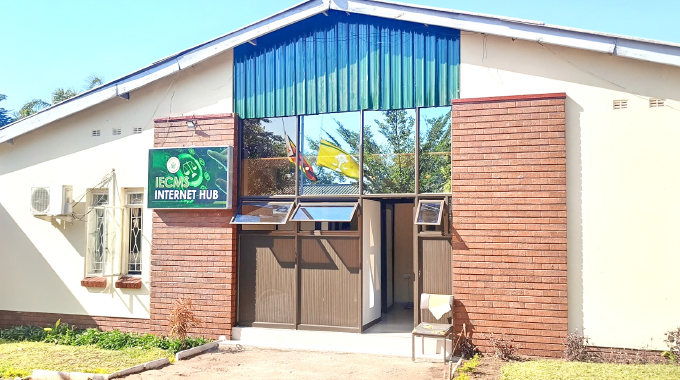
Rutendo Nyeve, Victoria Falls Reporter
VICTORIA Falls residents have welcomed the digitalisation of magistrates’ courts under the fourth phase of the Integrated Electronic Case Management System (IECMS), sighting the move as a milestone in improving efficiency and access to justice.
The system, recently rolled out in Mashonaland Central and Matabeleland North provinces, has considerably reduced paperwork, waiting times and manual processes traditionally associated with court procedures.
Among the early litigants is Mr Frank Chikosi, who this week successfully filed a letter of demand at the Victoria Falls Magistrates’ Court following a car accident.
“I came to file a case and to my surprise, everything had changed. The system was so digitalised, efficient and easy to use. In less than five minutes, my case was uploaded online. It was just a click of a button and everything was seamless,” he said.
Mr Chikosi said he had been struggling to get compensation from a motorist, who damaged his vehicle and decided to pursue legal recourse.
The new system, he said, made the process much more manageable.
“Someone crashed into my car and kept making excuses. I needed legal help, and I’m grateful for this innovation. The process was quick and hassle-free,” he said.

Another litigant, who requested anonymity, echoed similar sentiments. He said the e-filing significantly reduced the stress and delays of engaging the courts.
“Before, you would spend hours in queues, filling out forms and waiting for manual processing. Now, everything is done electronically, and the staff are very helpful in guiding us through the process,” he said.
The Judicial Service Commission (JSC), which is spearheading the IECMS rollout, said the latest phase specifically targets magistrates’ courts, which serve the majority of Zimbabweans.
JSC secretary Mr. Walter Chikwana, who recently visited Victoria Falls and Hwange to assess the system’s implementation, expressed satisfaction with the progress made so far.
“We have been communicating the messages since the beginning of the year that the Judicial Service Commission is now moving into the fourth phase of the implementation of the Integrated Electronic Case Management System (IECMS). This fourth phase involves moving and deploying the system into the magistrate courts,” he said.
To ensure accessibility for all, the JSC has established e-filing offices at every court station, manned by trained IT personnel, who assist users unfamiliar with digital systems.
“For all of us, especially in the magistrates’ courts, this is where we have our most vulnerable persons, who definitely require assistance when they want to litigate and interact with the digital platform,” said Mr Chikwana.
“As such, we have set up, at every court station, what we call an e-filing office. This is an office, which is run by a properly qualified IT person, who is required to assist every member of the court, who might have problems using the system.”
In major centres such as Hwange, Victoria Falls and Bindura, the JSC has also set up internet hubs equipped with state-of-the-art computers for public use.
Mr. Chikwana said people no longer need to travel long distances to file court papers. He said they simply go to any nearest court station, access the e-filing office and submit their documents digitally.
“When you want to file documents, when you want to file litigations, when you want to interact with the courts and other players in the justice administrative system, you will now do it through the digital system that we have deployed into the courts,” he said.
The IECMS is part of the JSC’s effort to modernise the country’s justice delivery system, enhance transparency, and improve access to justice, particularly in underserved and rural areas.
Following the successful implementation in Matabeleland North and Mashonaland Central, anticipation is high that the system will soon be rolled out across all 10 provinces.
@nyeve14


