Online Reporter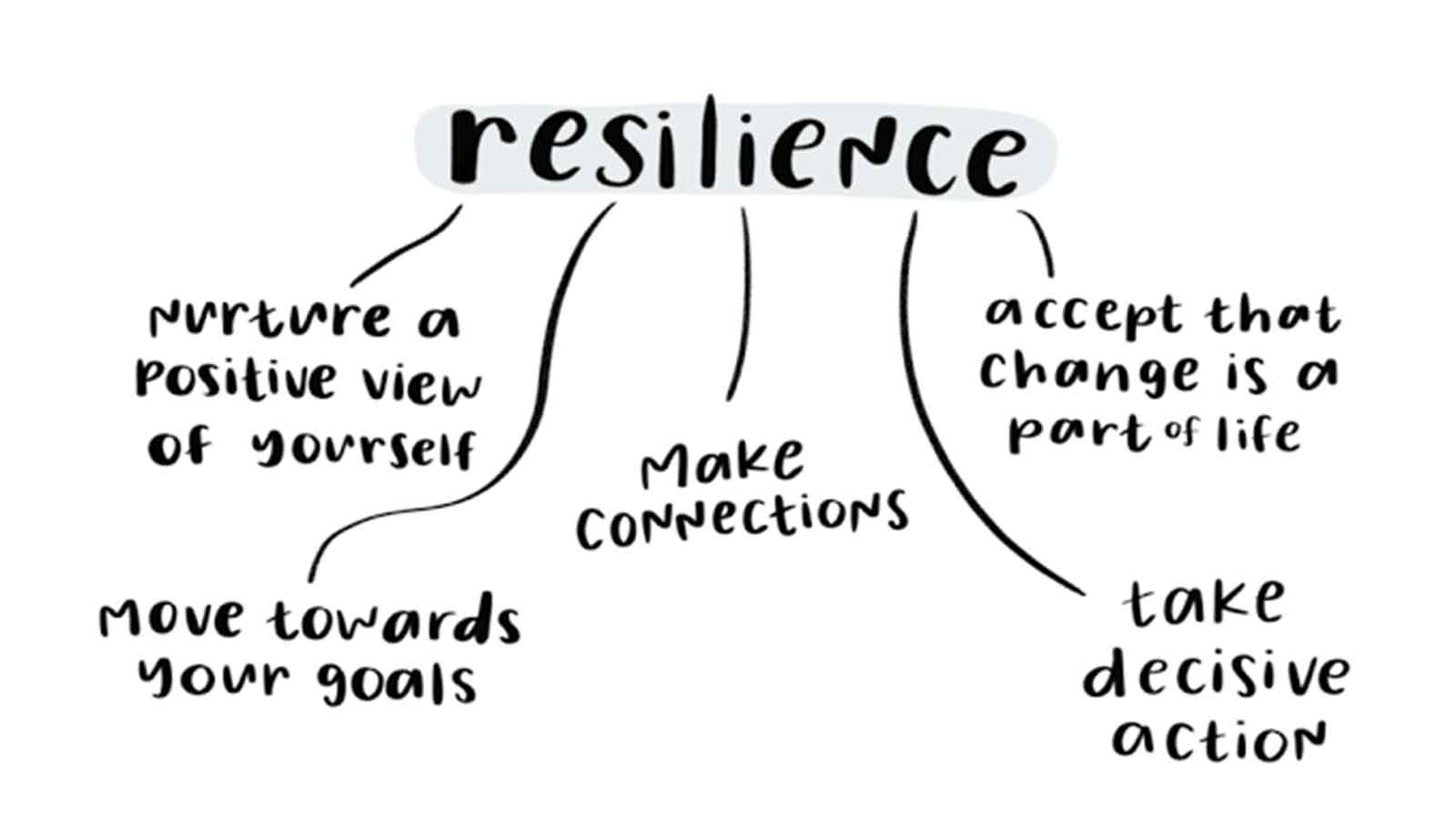
Rutendo Gwatidzo-Changing Perspectives
THE business world has changed dramatically over the past few years. Economic uncertainty, technological disruption, global pandemics, changing customer expectations and political shifts have reminded us that success is no longer reserved for the biggest organisations.
It belongs to those that can recover quickly, adapt continuously and remain focused despite adversity.
There was a time when competitive advantage was measured by financial resources, market share or the size of an organisation’s workforce. Today, another quality has quietly taken its place – resilience. Resilience is no longer a personal virtue. It has become an organisational necessity. Allow me to talk about some of our clients at The Hub HR Consultancy, because I love sharing from real stories.
The Restaurant That Refused to Close
During a difficult economic period, two restaurants operated on the same street. Both experienced rising costs, fewer customers and shrinking profits. The owner of the first restaurant became discouraged. He reduced staff, cut service standards and eventually closed his doors, convinced that the economy had defeated him.
The second owner faced the same challenges, but chose a different response. She introduced affordable lunch specials for office workers, partnered with local delivery services, increased her presence on social media and trained her staff to provide exceptional customer service. She also listened carefully to customer feedback and adjusted her menu to meet changing tastes. Business did not improve overnight, but it improved steadily.
Within a year, her restaurant had become one of the busiest in the area. The difference was not the economy. The difference was resilience.
The employee everyone thought was finished
A young professional had applied for promotion three times without success. Each rejection left him disappointed, and many colleagues quietly advised him to look for another job elsewhere. His argument was that, he was so invested into the business and he really wanted to be part of that particular vision. Instead of giving up, he decided to invest in himself. He enrolled in leadership and digital skills courses, volunteered for challenging projects and asked senior colleagues to mentor him. He stopped asking, “Why not me?” and started asking, “How can I become better?”
Two years later, a management position became available. This time around, there was little debate about who deserved the role. His promotions did not begin when the vacancy was advertised. They began when he refused to let disappointment define his future. Resilient people do not wait for opportunities. They prepare for them.
The Bamboo Lesson
Farmers often admire the bamboo plant because it teaches one of nature’s greatest leadership lessons. During storms, mighty trees sometimes crack and fall because they resist every strong wind. Bamboo behaves differently. It bends without breaking. When the storm passes, it stands upright again. Organisations and leaders face similar choices.
Organisational Status!
Some organisations become rigid during difficult times, refusing to adapt because “this is how we have always done things.” Others remain flexible without losing their values. They adjust their methods, rethink their strategies and embrace innovation while remaining true to their purpose. Resilience is not about refusing to change. It is about changing wisely without losing your identity.
Resilience begins with leadership
When uncertainty enters an organisation, employees instinctively look to their leaders.
They listen carefully to every word, observe every decision and often mirror the emotional tone set at the top. Leaders who panic create anxious teams and create rumours. Leaders who communicate honestly, remain visible and continue inspiring hope and confidence even when circumstances remain difficult. Leadership is not measured by avoiding storms. It is measured by helping people navigate through them.
Building resilient organisations
Resilient organisations intentionally prepare for uncertainty before it arrives. They invest in developing their people. They understand that resilience is not built during a crisis. It is built long before the crisis arrives through consistent investment in people, systems and relationships. Most importantly, resilient organisations never confuse temporary setbacks with permanent defeat. Every challenge eventually gives way to another opportunity for growth.
Food for Thought!
Life will continue presenting unexpected challenges. Markets will change, technology will evolve and competition will increase. Some plans will succeed, while others will require adjustment. The question is not whether difficult seasons will come.
The question is how we will respond when they do.
Will we retreat or reinvent ourselves?
Will we complain or create solutions?
Will we surrender or strengthen our resolve?
Remember, resilience is not pretending that problems do not exist. It is believing that problems do not have the final word.
In a world where change is constant and uncertainty has become normal, resilience has become the greatest competitive advantage of all.
The organisations that will shape tomorrow are not necessarily the biggest or the richest. They will be the ones that keep rising every time life knocks them down.
Rutendo Gwatidzo is a Human Capital Executive as Managing Consultant at The HUB HR Consultancy. She is a Multi-Award Winning Leader, Transformational Speaker and Coach. She is also an Author of Born to Fight and Breaking the Silence books. Contact detail – 0714575805/ [email protected] / Rutendo. Gwatidzo_Official fb public page.