Vusumuzi Dube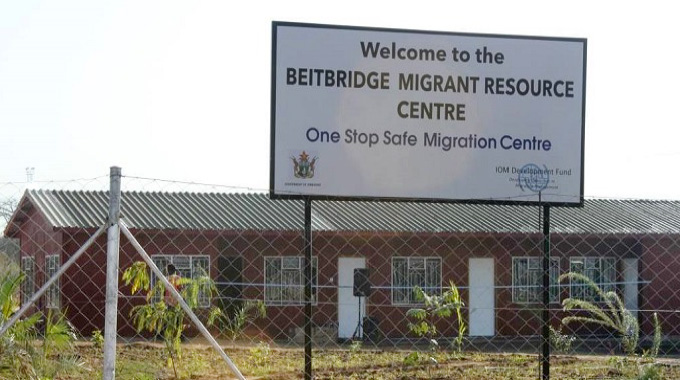
Simbarashe Muparaganda
WHEN 40-year-old Martha Murehwa boarded a plane to Oman last year, an oil-rich country in the south-eastern Arabian Peninsula in West Asia, next to Saudi Arabia, she envisioned a future filled with promise after she was told she would work as a hotel receptionist, earning a salary that would allow her to support her family back home.
Yet, within weeks of her arrival, that promise evaporated as Murehwa found herself trapped in a small apartment, forced into domestic servitude with her passport confiscated.
“I thought it was a life-changing opportunity, but instead it turned into a nightmare,” she recalls, her voice a mix of regret and resilience.
After her relatives intervened, Murehwa returned home, but the psychological scars of her experience linger.
Murehwa’s experience is far from unique since in recent years, Zimbabwe has seen a disturbing rise in cases of human trafficking, as countless citizens are lured abroad under false pretences of job opportunities.
Countries like Oman, the United Arab Emirates and Kuwait have become common destinations for those seeking better lives, only to find themselves ensnared in forced labour.
Economic hardship, limited access to reliable information, and the scarcity of legal migration pathways have created fertile grounds for trafficking networks, with the United Nations estimating that around 27 million people globally fall victim to human trafficking, often through deception or coercion.
The digital era has exacerbated the crisis as traffickers exploit online platforms, using classified ads and social media to recruit unsuspecting victims, while encrypted messaging and crypto-currencies facilitate clandestine operations, complicating detection efforts.
Zimbabwean victims are typically coerced into labour in sectors such as agriculture, construction, and hospitality.
In 2024, the Harare Magistrates’ Court sentenced a local woman to 30 years in prison for trafficking nine women to Oman under the guise of lucrative job offers.
Unfortunately, such cases illustrate a broader trend. In 2016, Zimbabwe repatriated 213 citizens who had been trafficked, mostly to Kuwait, where many were forced into prostitution and labour.
In response to the growing crisis, Zimbabwe introduced the Zimbabwe Migration Information and Resource Centres (ZIMIRC), a key initiative aimed at reversing the trend.
Launched in partnership with the International Organisation for Migration (IOM), these centres provide a critical lifeline for individuals seeking verified information on safe migration.
“ZIMIRC is a necessary step to ensure that migrants receive accurate and impartial information,” said Ms Dyane Epstein, IOM chief of mission.
“With 3,6 percent of the world’s population being migrants, it is vital that we empower communities with knowledge to prevent exploitation.”
The resource centres serve as one-stop hubs, offering job listings, legal advice, counselling, and other vital resources with the goal of equipping citizens with the knowledge they need to make informed migration choices.
Mr Simon Masanga, the permanent secretary in the Ministry of Public Service, Labour and Social Welfare, emphasised that the ZIMIRC aims to combat human trafficking and irregular migration.
“We realised that many people were migrating blindly. The centres are here to fill that gap, prevent exploitation, and ultimately save lives,” he said.
Since their inception, the Harare and Bulawayo centres have assisted 822 individuals and provided free access to computers and the internet for students preparing to study abroad.
Additional reception centres in Plumtree and Beitbridge offer essential support, including health screenings and documentation assistance.
Despite these efforts, reaching vulnerable populations in rural areas remains challenging.
“To address this, we are creating a Mobile Migrant Resource Unit to reach under-served communities and high-risk locations,” said Mr Masanga.
Local anti-trafficking researcher, Mr Francis Dube, praised the ZIMIRC initiative, stating that knowledge is empowerment.
“Traffickers prey on hope and ignorance. These centres are critical as they educate the public and provide much-needed support,” he explained.
Efforts are ongoing to improve migration governance and address the root causes of trafficking, such as poverty and lack of opportunity.
Mr Maxwell Muguse, director of human resources in the Ministry of Home Affairs, reiterated the Government’s commitment to combating exploitation amid increasing cross-border movement.
For survivors like Murehwa, the establishment of ZIMIRC programmes represents more than just policy success, it embodies hope.
As Zimbabwe confronts the dual challenges of economic hardship and rampant trafficking, initiatives like ZIMIRC are crucial in restoring hope and fostering safer migration practices for future generations.


 Online Reporter