

 Online Reporter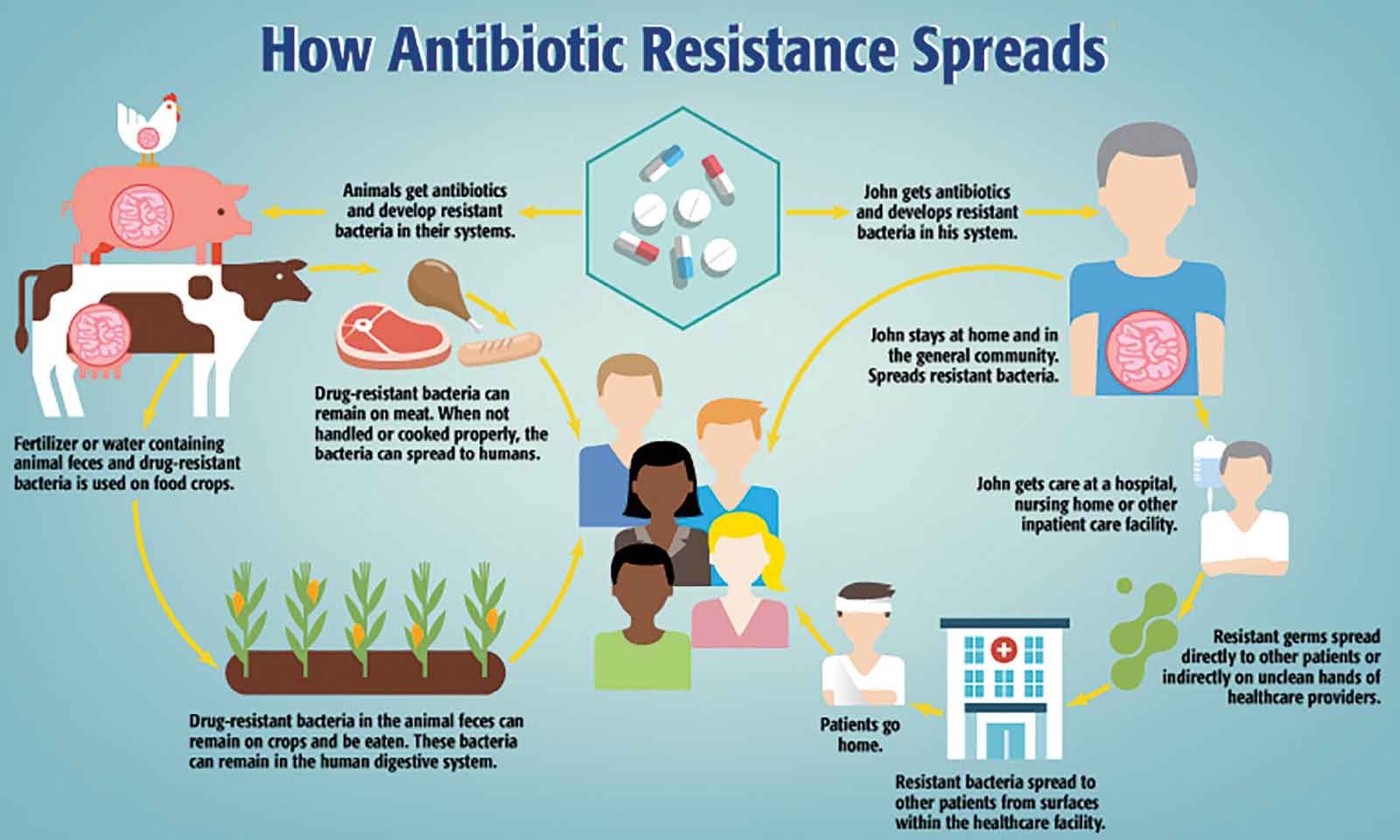
Rumbidzayi Zinyuke
Health Buzz
For decades, antibiotics and other antimicrobial medicines have been among the greatest achievements of modern medicine.
They have transformed once deadly infections into manageable conditions, making surgeries safer and saving millions of lives every year.
But the very medicines that revolutionised healthcare are now under threat.
Across the world, doctors are increasingly encountering infections that no longer respond to treatment. A patient may receive antibiotics, yet the infection refuses to clear.
What used to be an ordinary urinary tract infection or wound infection can escalate into a prolonged illness requiring stronger, more expensive drugs, or in some cases, no effective treatment at all.
Antimicrobial resistance (AMR) has been quietly becoming one of the most serious global health threats of the 21st century.
AMR occurs when micro-organisms such as bacteria, viruses, fungi and parasites evolve in ways that make medicines used to treat infections ineffective. As a result, infections become harder or sometimes impossible to treat, increasing the risk of severe illness, prolonged disease and death.
Antimicrobials include antibiotics, antivirals, antifungals and antiparasitic drugs. When microbes develop resistance to these medicines, the drugs that once cured infections lose their effectiveness, allowing diseases to spread more easily. In simple terms, the microbes learn how to survive the medicines designed to kill them.
Globally, antimicrobial resistance is directly responsible for about 1.3 million deaths each year and contributes to nearly five million deaths annually, making it one of the leading causes of mortality worldwide.
If current trends continue, researchers estimate that over 39 million people could die from antibiotic-resistant infections between now and 2050.
Health experts also warn that one in six laboratory-confirmed bacterial infections globally is already resistant to standard antibiotic treatment, highlighting the urgency of the crisis.
The economic consequences are equally worrying. By 2030, antimicrobial resistance could cost the global economy as much as US$3.4 trillion annually and push millions of people into poverty as treatment becomes more expensive and productivity declines.
It is important to understand that antimicrobial resistance is a natural process driven by evolution. Micro-organisms constantly mutate and adapt in order to survive. When exposed to antimicrobial drugs, some microbes may develop genetic changes that allow them to withstand the medicines. Those resistant microbes then multiply and spread, gradually making the drug less effective.
However, while resistance occurs naturally, human behaviour has accelerated the process dramatically.
The biggest driver is the misuse and overuse of antibiotics and other antimicrobial medicines in both humans and animals.
For example, resistance develops when antibiotics are used unnecessarily for viral infections like the common cold, when patients do not complete prescribed courses of treatment, or when medicines are taken without proper medical guidance.
Several factors contribute to the development and spread of antimicrobial resistance.
One of the major drivers is inappropriate prescribing and use of antibiotics in healthcare settings.
When antibiotics are prescribed for conditions that do not require them, microbes are exposed to the drugs without being fully eliminated, increasing the likelihood of resistance.
Another factor is self-medication and over-the-counter access to antibiotics, which allows people to take incorrect dosages or incomplete treatment courses.
Poor infection prevention and control practices in hospitals can also accelerate the spread of resistant microbes. Inadequate sanitation, overcrowding in health facilities and lack of proper hygiene create conditions where resistant infections can spread quickly.
The use of antimicrobials in agriculture and livestock production is also another significant driver. Antibiotics are sometimes used to promote growth in animals or prevent infections in crowded farming systems, which can lead to resistant bacteria entering the food chain.
In many low- and middle-income countries, limited access to diagnostic testing also means doctors may prescribe antibiotics without confirming the exact cause of illness, further contributing to misuse.
Zimbabwe is not immune to this growing threat.
Evidence suggests antimicrobial resistance is already affecting the country’s health system. Studies have found high resistance levels to commonly used antibiotics, with some bacteria showing resistance rates between 70 and 100 percent to drugs such as ampicillin and penicillin.
National data also highlights the scale of the problem. Drug-resistant infections were linked to about 15 800 deaths in Zimbabwe in 2019, underlining the urgent need for action.
Surveillance studies further indicate that the country has a drug resistance index above 60 percent, meaning that more than half of common infections may not respond reliably to first-line antibiotics.
Public awareness however remains relatively low. Fewer than one in five households understand what antimicrobial resistance is, and this highlights the need for stronger education campaigns.
Despite all challenges associated with AMR, Zimbabwe has taken significant steps to address it.
The country has adopted a “One Health” approach, which recognises that human health, animal health and environmental health are interconnected. This approach promotes collaboration between sectors such as health, agriculture and environmental management in tackling antimicrobial resistance.
Zimbabwe has also developed and implemented national action plans aimed at strengthening surveillance systems, improving laboratory capacity and promoting responsible use of antimicrobial medicines.
Under these efforts, at least 14 laboratories have been renovated and strengthened to improve detection and monitoring of resistant infections.
In 2024, the Government launched the second phase of the National Action Plan on Antimicrobial Resistance (2024–2028), which focuses on improving infection prevention, optimising antimicrobial use, strengthening research and enhancing coordination across sectors.
The country has also received support from international partners such as the Fleming Fund, which has provided funding to strengthen surveillance and laboratory systems.
More recently, efforts have expanded to include agriculture, with programmes aimed at reducing unnecessary antimicrobial use in poultry and dairy production systems.
While governments and health systems have a major role to play, individuals and communities also have an important part in slowing the spread of antimicrobial resistance.
First, it is important for communities to know that antibiotics should only be taken when prescribed by a qualified health professional. Self-medication and purchasing antibiotics without proper guidance significantly increases the risk of misuse.
Second, people need to always complete the full course of treatment even if they begin to feel better before finishing the medication.
Third, preventing infections in the first place can reduce the need for antibiotics. This includes practising good hygiene, washing hands regularly, ensuring access to clean water, maintaining proper sanitation and keeping vaccinations up to date.
Improving infection prevention and control in healthcare facilities is also critical, as it reduces the spread of resistant pathogens between patients.
In agriculture, responsible use of antimicrobials and improved biosecurity practices can help limit the development of resistance in animals.
Despite its growing impact, antimicrobial resistance often receives far less public attention than other health crises.
Unlike outbreaks of infectious diseases that spread rapidly and capture headlines, AMR develops slowly and quietly, making it easy to overlook.
Yet its consequences could be profound.
If resistance continues to rise unchecked, routine medical procedures such as surgeries, cancer treatments, organ transplants and even childbirth could become far riskier due to untreatable infections.
Addressing antimicrobial resistance therefore requires sustained awareness, investment and cooperation across sectors.
From hospitals and farms to communities and households, preserving the effectiveness of life-saving medicines is a shared responsibility.
Feedback: [email protected]



