Online Reporter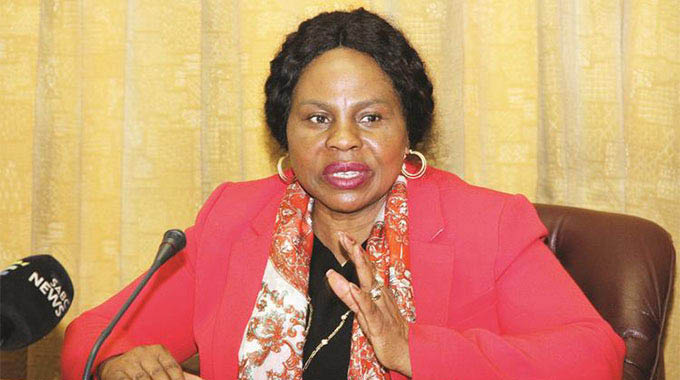
Obey Musiwa
Herald Reporter
The Small and Medium Enterprises (SMEs) sector is poised for a major lift with the forthcoming review of the SME Act, aimed at addressing the challenges faced by small businesses and unlocking their full potential.
This announcement was made by Women Affairs, Community, Small and Medium Enterprises Development Minister Monica Mutsvangwa during the SME Act Review Stakeholder Consultative Workshop held in Harare on Wednesday.
Minister Mutsvangwa said the review of the current SMEs Act, which has not been updated since 2011, is essential to meet the contemporary needs and aspirations of SMEs.
“SMEs are not merely a segment of our economy; they are its pulse, serving as the engine of job creation, a breeding ground for innovation, and a driver of local development and industrialisation,” she said.
Highlighting the significance of SMEs, she noted that they contribute approximately 60 percent of Zimbabwe’s Gross Domestic Product (GDP) and create over 4,8 million jobs.
“SMEs are the resilient force propelling our national aspirations towards becoming an upper middle-income society by 2030,” she added.
Development partners have been instrumental in offering programmes such as business management training, funding, mentorship, and access to markets.
Mr Trust Mudzingwa, Deputy Director of Local Economic Analysis in the Office of the Ministry of State for Provincial Affairs and Devolution for Harare Province, praised the review process.
“The discussions will yield valuable insights into the major challenges facing the sector and the necessary provisions to address these issues effectively,” he noted. He suggested that local authorities could provide incentives like tax breaks or subsidised rent to promote SME establishment.
Mr Victor Steenbergen, Senior Economist from the World Bank Climate Unit, highlighted critical infrastructure challenges, particularly the unreliable electricity supply hindering SME operations.
“Only 30 percent of businesses have access to electricity, and cumbersome administrative and regulatory compliance requirements further complicate the operating environment,” he said.
Steenbergen affirmed that by addressing regulatory, financial, and infrastructural barriers, along with targeted support for women entrepreneurs, Zimbabwe can unlock the full potential of its SMEs, contributing to growth and poverty reduction.