Online Reporter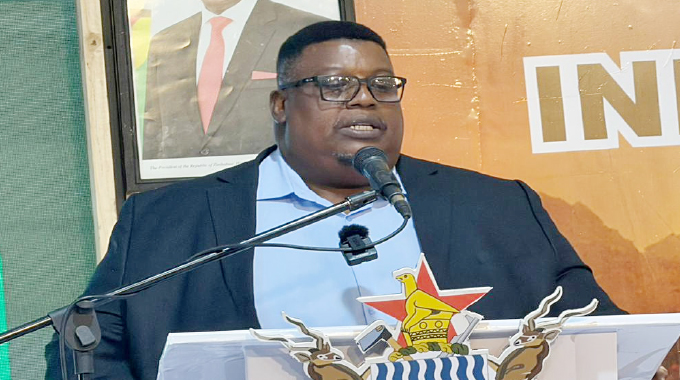
Judith Phiri, [email protected]
RURAL District Councils (RDCs) have been urged to adopt investment-friendly rates to unlock industrialisation and economic empowerment amid concerns that high charges are discouraging potential investors.
Speaking on Rural Development through Value Chain Promotion for Sustainable Livelihoods at the recent Industrialisation and Economic Empowerment Indaba 2026 in Bulawayo, Transvaal Africa (Private) Limited CEO, Engineer Patson Moyo, said most RDCs rates were hindering industrialisation as they were too high.
“There is need for integration between business and local councils. Our councils, I’m sure they are here present, most of them, we have been talking and having conversations with them,” he said.
“They also need to be very much involved in putting up blueprints that attract investments. We, for instance, wanted to buy grazing land but we were charged over US$6 000. They (RDCs) need to charge what we call figures that can attract investments and ensure investors are keen.”
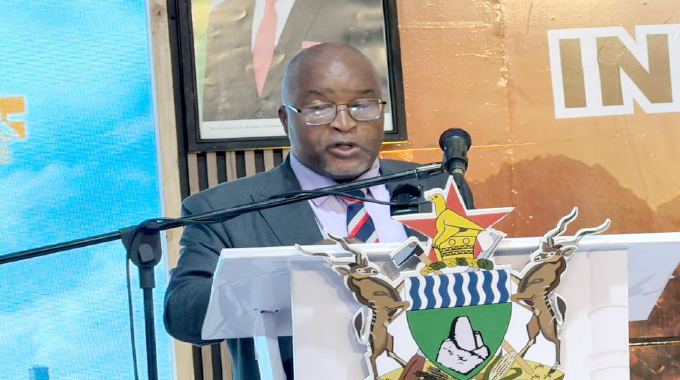
Eng Moyo said if everything is aligned from the resource identification to proper rates, investment and industries can come, while value chains can be promoted and production increases.
Eng Moyo said with 60 district councils, 32 urban councils, they expected to grow 92 centres if they work together and only if issues such as charges are mitigated.
On industrialisation in rural areas by setting up aggregated centres, he said: “On those aggregation centres, we have value addition on the other side, which is the industrial part of it. We have places where the bankers can go, there will be a difference with the current traditional centres.
“Now, this can attract tourists to go into rural areas. This now puts everything into perspective action and practicality. This now attracts us to put up more investments in those rural areas.”
In a speech read on behalf of the Minister of State for Bulawayo Provincial Affairs and Devolution, Judith Ncube, Director of Economic Affairs and Investment Mr Simon Saunyama said the indaba stands as a flagship empowerment platform.
“It is deliberately designed to transition our communities from peripheral participants to active equity holders within industrial value chains,” he said.
“It is important to deliberate and chart a bold as well as actionable path towards inclusive growth, one in which the benefits of industrialisation extend to every village, every district and every citizen of Zimbabwe.
“Our collective resolve to transform rural economies into hubs of productivity, to empower communities with skills and opportunities, as well as to ensure that industrialisation is not only confined to our urban centres but becomes the driving force of national development is imperative.”
Mr Saunyama said guided by the National Development Strategy 2 (NDS2) and Vision 2030, rural industrialisation was more than an economic agenda and a social contract.
He said it was about restoring dignity, creating employment and securing sustainable livelihoods.
“Therefore, we should harness our natural resources responsibly, embracing innovation and building industries that reflect the resilience and creativity of our people.
“Rural industrialisation and Community Economic Empowerment Trusts represent a transformative model for community participation,” he added.
“We envisage the Community Economic Empowerment Trusts as a district-level holding structures that will aggregate production, negotiate bulk input, manage shared infrastructure and secure equity participation in joint ventures with investors.”
Through these structures, Government has said communities will move beyond being mere suppliers of raw materials to becoming shareholders in processing plants, participants in logistic chains and stakeholders in downstream markets, including retail platforms in urban centres.
The indaba was hosted by the Ministry of Industry and Commerce in collaboration with other Government partners.
It ran under the theme: “From Policy to Production: Leveraging Economic Empowerment for Accelerated Rural Industrialisation,” and was held on the sidelines of ZITF 2026.