Online Reporter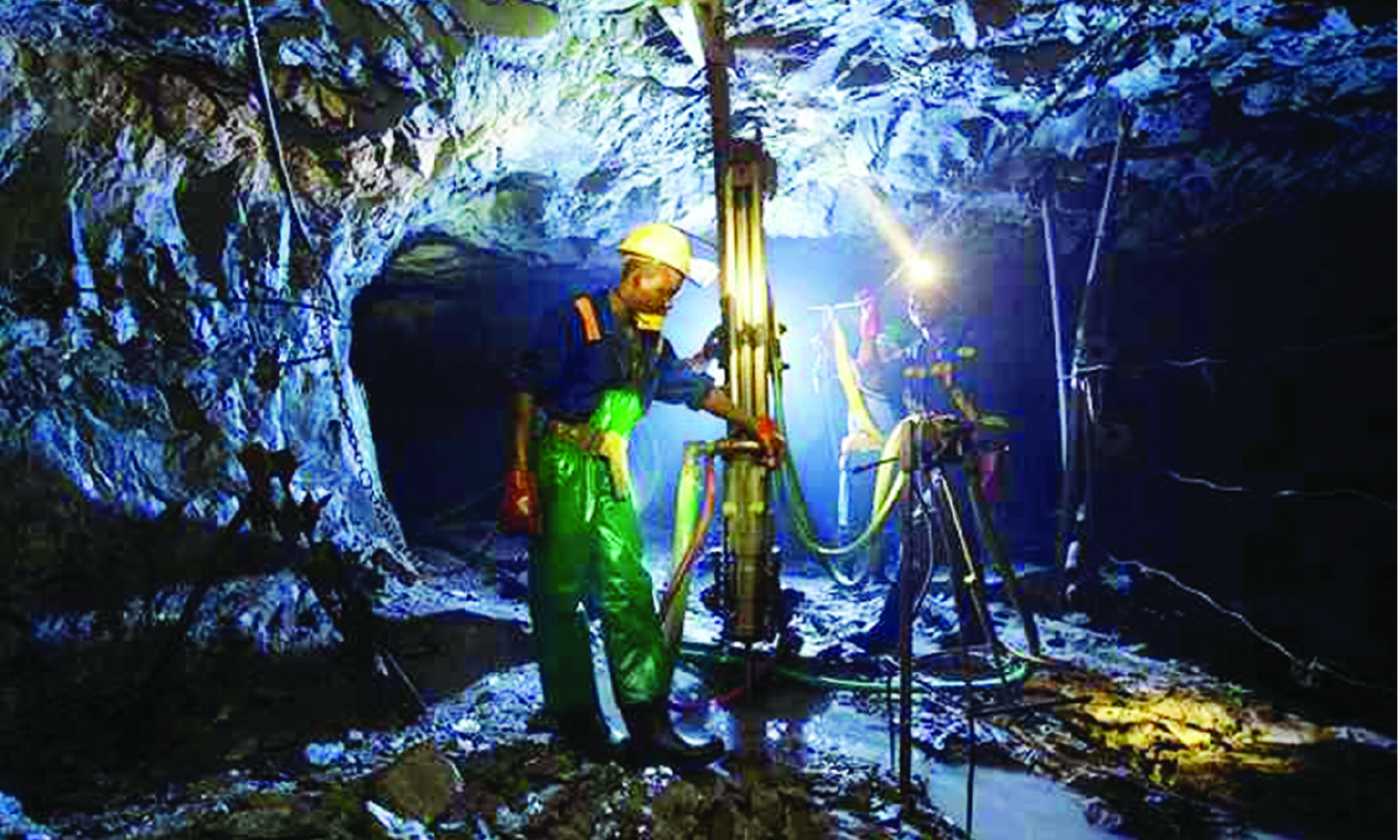
Dr David Kilpin
THE global gold industry is worth trillions of dollars. Prices are currently booming, with most countries endowed with huge deposits of the yellow metal cashing in.
As a gold-rich country, Zimbabwe should also be enjoying a place in the sun.
Zimbabwe is a top gold producer in Africa and globally.
The yellow metal accounts for a huge chunk of export earnings annually, yet this sector is built on outdated systems.
Artisanal miners, who deliver more than 60 percent of our gold, face a myriad of challenges such as limited access to finance for working capital needs.
Bigger mines grapple with slow settlement and costly intermediaries, while the nation as a whole has long been haunted by gold leaks into side markets and smuggling into neighbouring countries, with the net result that the country earns less than it should accrue from its gold.
These challenges can be easily leapfrogged by introducing tokenisation of gold reserves.
Tokenisation means converting physical gold into digital tokens using blockchain technology.
The real gold sits in a secure, audited vault.
Each token represents a fixed weight, say one gramme, that anyone can buy, sell or use as collateral instantly.
Why does this matter for Zimbabwe?
Today, buying gold through Fidelity Gold Refinery requires capital that most citizens do not have, and tokenisation breaks gold into micro-units.
A plumber or nurse in Mberengwa or a care worker in the diaspora could own US$10’s worth of Zimbabwean gold, safely stored and redeemable.
Secondly, tokenisation formalises artisanal mining because if a miner delivers gold to a certified vault, they could be paid instantly in gold tokens to a mobile wallet.
Those tokens can be traded for United States dollars or the local currency, or used to secure loans for equipment.
This means miners will be able to be instantly paid, which removes the incentive to sell the gold illegally.
The use of blockchain technology creates a permanent record of every gramme mined and traded in Zimbabwe.
That deters smuggling and double selling.
It also gives foreign investors a compliant, transparent way to buy local gold.
The Reserve Bank of Zimbabwe (RBZ) has already piloted a gold-backed digital token that was introduced in 2023, and the next step should now be tokenising the actual mine reserves.
Gold tokens can back loans, savings products and cross-border payments.
Also, a digital asset backed by physical gold held by the RBZ could become a credible store of value.
It is, however, important to note that tokenisation only works if one token always equals one gramme in the vault, and this scenario will require independent quarterly audits, full insurance and strict oversight by the RBZ and the Securities and Exchange Commission of Zimbabwe (SECZ).
Measures such as ‘’Know Your Customer’’ rules are non-negotiable in such cases to prevent money laundering.
Most importantly, there will be a need for public awareness campaigns for the general populace to understand digital wallets and how to redeem their gold.
The world around us is already moving, and international companies have launched digital tokens, where each token equals one ounce of physical gold held in vaults in different countries.
This should also inspire Zimbabwe to stop the export of raw bullion while others capture the upside of digital gold finance.
Zimbabwe has huge and untapped gold reserves and very high mobile phone penetration; hence, as a country, we have an urgent need to formalise and modernise our most strategic sector.
It is noteworthy that tokenisation will not fix every challenge in Zimbabwe overnight, but it gives our country a framework to turn a physical resource into a transparent, liquid and trusted asset class.
If we get the regulation and custody right, Zimbabwe can set the standard for Africa. It can also set the pace in steering the continent towards a new dispensation anchored in a new gold standard in asset management and a real revolution for our economy under the tutelage of President Mnangagwa and the Second Republic.
Dr David Kilpin is a small-scale gold miner in Mberengwa. He holds a Doctor of Business Administration from the University of Northumbria, UK.