

 Online Reporter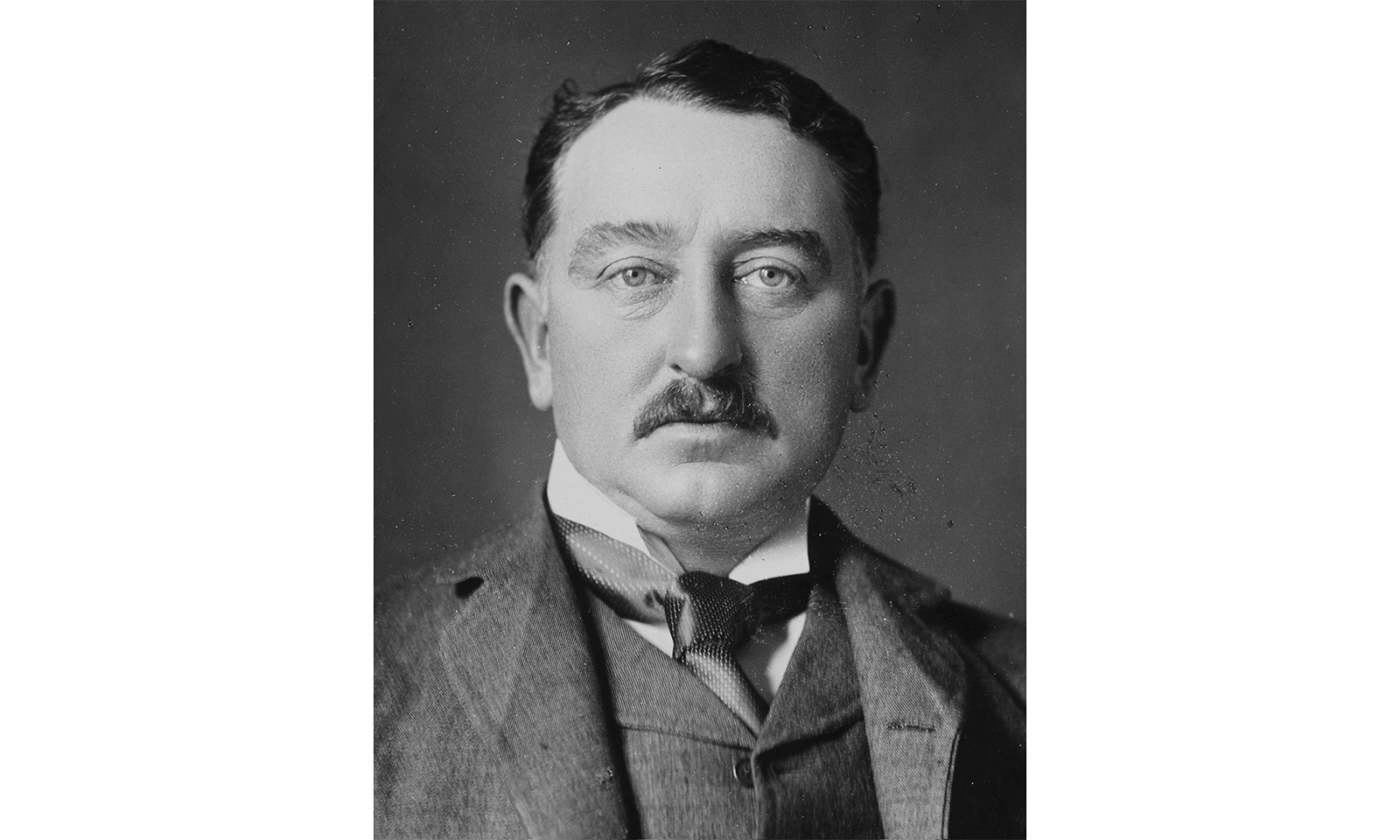
Farai Diza-Bulawayo Bureau
HIGH above the undulating terrain of Zimbabwe’s Matobo Hills, on a site rich in history and spiritual resonance, lies a grave that continues to evoke powerful emotions.
It is the final resting place of Cecil John Rhodes, a figure indelibly tied to the country’s colonial legacy, and its presence remains a source of complex and often heated debate.
Following Rhodes’ death in 1902 in Muizenberg, South Africa, his body was transported north by rail.
It was then borne on a gun carriage drawn by oxen to its final destination. Also interred at this location — known as World’s View — are Leander Starr Jameson, infamous for leading the Jameson Raid, and Major Allan Wilson along with the 34 men of the Shangani Patrol, who perished on the banks of the Shangani River while pursuing King Lobengula.
Nestled among the granite outcrops and verdant vegetation of the Matobo — a UNESCO World Heritage Site — Rhodes’ grave sits atop a steep hill. A brief climb rewards visitors with sweeping vistas and a palpable connection to a contentious past.
The grave itself is modest, bearing the inscription “Here lie the remains of Cecil John Rhodes.” The surrounding boulders, shaped by centuries of erosion and adorned with vivid lichens, stand in stark contrast to the grave’s simplicity. The inscription serves as a lasting reminder of the man who envisioned a British Africa stretching from Cape Town to Cairo.
Rhodes, often described as a philanthropist, died over 120 years ago at the age of 48. He left behind a legacy marked by land seizures and imperial expansion, carving out vast territories for the British Empire — including present-day Zambia and Zimbabwe, then named Rhodesia in his honour. His ambition, coupled with overt white supremacist beliefs, has made him a deeply divisive figure in the nation he helped to shape.
The decision to bury Rhodes at this particular site further complicates the narrative.
The Matobo Hills have long held profound spiritual significance for local communities, serving as a sacred space for ancestral communion.
For many Zimbabweans, the presence of Rhodes’s grave on this revered ground is a grave affront — a symbol of colonial imposition and a desecration of cultural heritage.
This sentiment is echoed by Cynthia Marangwanda, a 37-year-old from Harare, who articulates the anger felt by many.
“Matobo is such a beautiful landscape; it doesn’t need this colonial grave, honestly. He chose to go where we speak to our creator and bury himself there… It was more like a spiritual colonisation, which is a great insult to any sane Zimbabwean.”
Her views resonate with those of Tafadzwa Gwini, co-founder of the Rhodes-Must-Fall campaign in Zimbabwe, who has also called for the grave’s removal.
Yet the debate is not solely about erasing a colonial symbol.
The grave draws tourists whose spending provides vital income to nearby communities.
For some local residents, these economic benefits are paramount.




This is how we were colonized in the first place. We were given freebies, toys and trinkets, bottles of rum and whiskey and we let go the land. We continue to do the same by thinking that a grave of one of the worst colonizers brings fortunes to communities surrounding it. This kind of thinking is insane and primitive. The grave must be removed and communities around it be given their dignity back by working to uplift themselves. The wars of liberation were created by such persons as Cecil John Rhodes and a lot of blood of our people was shed. There is nothing respectful of such sacrifices when people continue to recognise our former oppressors.