admin
admin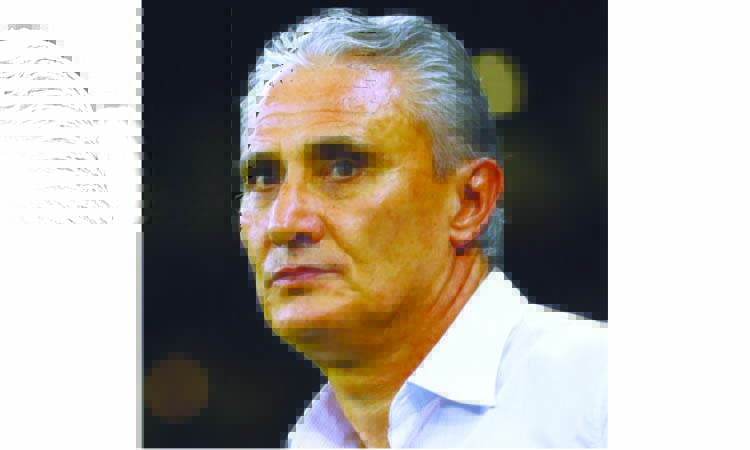
SAO PAULO. — When Brazil coach Tite uttered the name of veteran Dani Alves in his call for the football World Cup squad, reactions around the country spanned from anger to disappointment.
The Brazil coach, who has faced little criticism in his six years on the job, described his pick in a paused, not-so-confident tone.
“The criteria for Daniel Alves is the criteria for all,” Tite said. “It is about rewarding individual skill, his fitness and his mental aspect. Just like the others.”
Alves himself, however, recognised that many didn’t want him in the squad for Qatar.
“I am not here to please everyone,” he said in a video.
The rancor has nothing to do with the right back’s brilliant past, but the presence of a 39-year-old player who has struggled to play for any club in the past year laid bare the lack of options Brazil has on both flanks of the defence.
Tite’s most likely options to start at the World Cup are right back Danilo, who has become more of a central defender at Juventus, and Alex Sandro, a player with little background as a typical Brazilian left back that runs from box to box.
Neither Danilo nor Alex Sandro are regarded as two of the best in the world in their positions, such as predecessors Cafu, Roberto Carlos, Marcelo and the peak Alves of 10 years ago were. At the same time, the duo has not caused Brazil much defensive trouble, being part of a team that conceded only five goals in South American qualifying.
Alves and Alex Telles are expected to be on the bench in Qatar, with Eder Militão also capable of playing as a right back and midfielder Fabinho as a left back.
“They are OK,” former Brazil left back Junior, now a TV commentator, said this month about Tite’s options. “They are not players who will be up front all the time. They are more cautious. But I don’t see any other choices that would be better to start at this time.”
Over the last year, Tite lost another two options that could have helped. — AP.



 Online Reporter