Online Reporter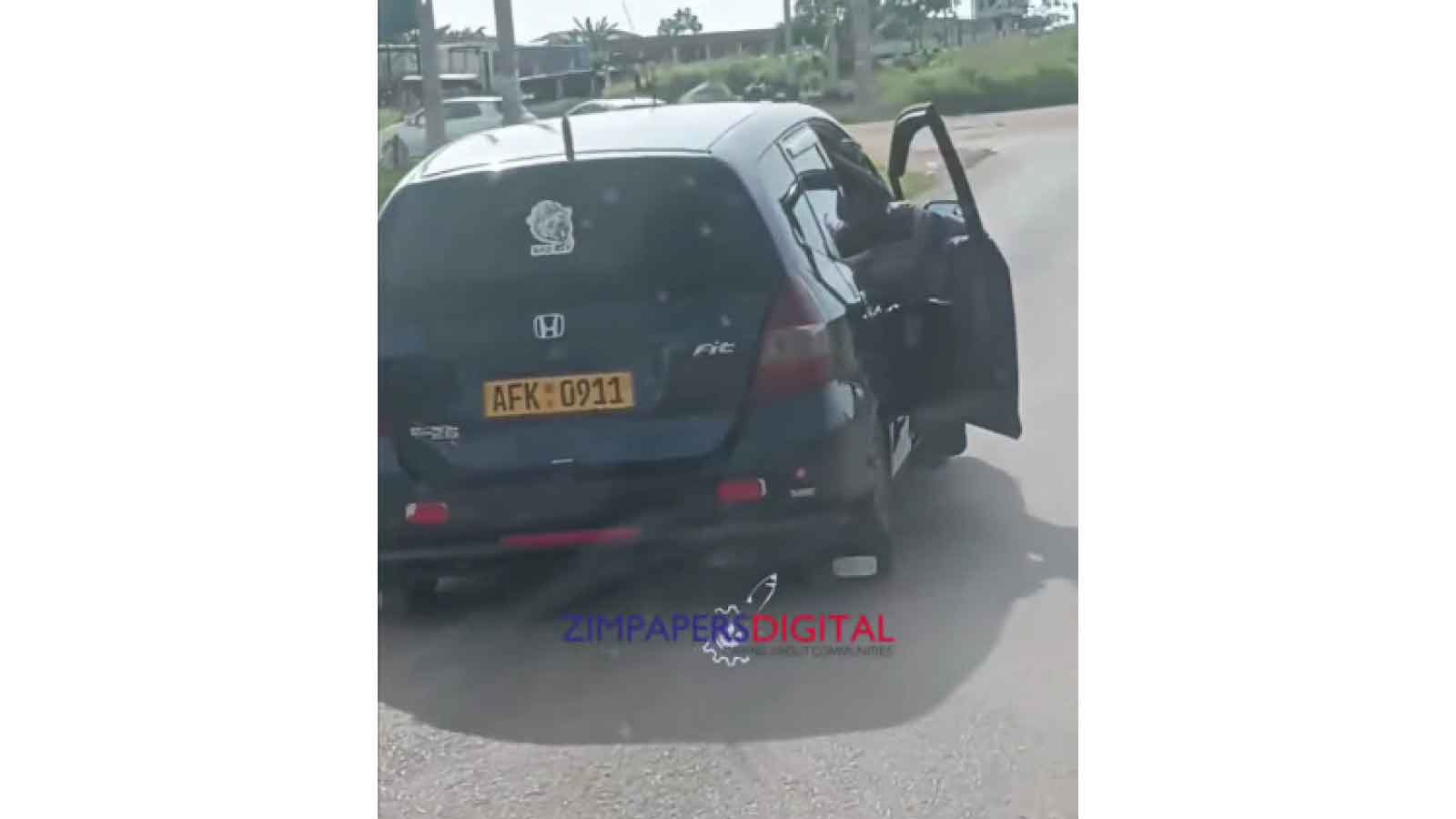
Theseus Shambare
Features Writer
IN Budiriro, Harare, a video recently posted on The Herald Zimbabwe’s official social media platforms ignited conversations within minutes across WhatsApp groups, X, Instagram and Facebook feeds.
The clip shows a pirate taxi driver steering his vehicle from outside while cramming four passengers into the front seat, turning a two-seater into a dangerous five-person squeeze.
Passengers cling on for dear life as the driver balances himself over the door, risking catastrophe for a single trip.
“I couldn’t believe what I was seeing,” said one commuter who watched the clip.
“Who would allow themselves to be squashed like that, and then the driver has almost his entire body outside the vehicle?”
Within half an hour, comment sections were flooded with disbelief, humour and sharp criticism.
Albert Mutsingo said: “The driver does not have a problem; the problem are the passengers who agree to sit in fours on the front seats which only accommodate two people. The same four passengers go on to pay the full fare.”
John Avery alleged: “Five dollars will get him through most ZRP roadblocks without a question.”
Claudius Muvingi reflected: “Some behaviours do not need police or enforcement. Why would a normal thinking person allow himself to be squashed like that? After an accident, you will hear some say the driver was speeding and overloaded.”
The Budiriro viral clip is not an isolated case.
In December 2023, a tragic bus crash along the Harare–Nyamapanda highway claimed multiple lives in what became known as the Rimbi and Zebra Kiss accident.
The crash occurred at the 160-kilometre peg when a Rimbi Tours driver, attempting to overtake a Zebra Kiss bus, struck the rear of a tipper truck.
Investigations later revealed that reckless competition for passengers had begun earlier at a bus rank, exposing how turf wars between operators can turn fatal.
Another viral video shows a visibly shaken man being aggressively accosted by rank marshals and shoved into a bus against his will.
In the clip, a marshal is heard shouting to a rival crew: “Hamulodhe pano!” (You will not load passengers on this spot!).
In yet another incident, a kombi driver leapt from a moving vehicle, abandoning passengers in a desperate bid to evade police during a chase.
Together, these clips show that unsafe driving, passenger harassment and lawlessness are not confined to one suburb, city or transport mode.
Yet these viral clips are playing an important role in traffic management.
Transport safety specialist, Dr Tawanda Chitauro, said viral videos have become an informal early-warning system for road safety in Zimbabwe.
“A single clip can reach thousands within minutes, exposing behaviours that could easily result in fatalities,” he said.
“Social media does not replace enforcement, but it complements it by informing the public and creating pressure for authorities to act.”
Citizen reporting, Dr Chitauro said, has become essential where enforcement is thin.
He noted that behavioural change remains critical.
“Even when police are absent, passengers must think about their own safety. Law enforcement cannot be everywhere at all times,” he said.
Mr Tatenda Chinoda, a Roads4Life champion at the African Road Safety Observatory, said both drivers and passengers featured in viral clips were “dicing with death”.
“Passengers are to blame first for accepting such overloading conditions,” he said.
“Ultimately, the driver is responsible for negligence, but one then wonders how many roadblocks the vehicle would have passed in that set-up.”
Mr Chinoda said the willingness of commuters to endure unsafe conditions reflects a dangerous normalisation of risk, where convenience and cost are prioritised over life.
Commuters often share such clips with warnings like: “Do not board overloaded taxis. Your life matters.”
Affordability also shapes risky choices being made by commuters.
Pirate taxis and kombis are often cheaper and faster than licensed alternatives, pushing workers and learners to take calculated risks with potentially fatal consequences.
The same dangerous patterns exposed in viral commuter clips are increasingly visible during school terms, when early mornings in high-density suburbs are marked by images of learners crammed into small private vehicles operating as informal “school run” cars.
Apart from risking the lives of passengers, some of the drivers of the pirate taxis confront the police.
Last week, national police spokesperson, Commissioner Paul Nyathi warned such drivers following a viral social media video featuring a confrontation between a driver and police officers.
“The video, which has been circulating widely, particularly on Crime Watch’s X handle, highlights a troubling interaction between a driver and our officers,” Comm Nyathi noted.
“There is no need for confrontations, threats, or attempts to provoke our police officers while seeking public support.”
The police then laid the ground rules for motorists to set a positive example on the roads.
Key points of focus include:
Avoiding undesignated stops: Motorists must not stop their vehicles at unauthorised locations.
Refraining from piracy: It is illegal to pick up passengers in the centre of the road or on road verges.
Staying sober: Driving under the influence of alcohol is strictly prohibited.
Designed to carry four or five occupants, pirate taxis routinely ferry double that number of children, some sitting on laps, others wedged between seats, as drivers rush to beat traffic and school start times.
Road safety experts warn that such practices place children at heightened risk, particularly in the event of sudden braking or a collision.
Overloading compromises vehicle control and eliminates basic safety measures such as seatbelt use, while the pressure to complete multiple trips encourages speeding.
While the arrangement is often driven by affordability and convenience, the consequences can be devastating, turning what should be a routine school commute into a potential tragedy.
The Zimbabwe Republic Police is mandated to enforce road safety regulations, but corruption and limited resources allow overloading and reckless driving to persist.
A 2025 report by the Road Traffic Safety Council links more than 30 percent of Harare’s fatal taxi accidents to vehicle overloading.
Yet the speed with which citizens engage with viral clips shows social media’s power to influence safer behaviour.
Online discussions often shift quickly from humour to education, reinforcing lessons about overloading, speeding and bribery.
Commuter groups in Harare and Epworth are now using such clips to educate peers, launching awareness campaigns under hashtags such as #SafeRideZW.
For Mai Tinashe, who commutes daily from Budiriro to Harare’s central business district, the video was a personal wake-up call.
“I usually ignore overloaded taxis because I’m in a hurry,” she said.
“After seeing this, I will wait for a safer ride. One accident, and it’s too late.”
The power of the Budiriro video lies not in entertainment, but in prevention.
In an age where a single clip can reach thousands in half an hour, the message is stark: viral today can mean fatal tomorrow.
If Zimbabweans fail to learn from what they watch, the next viral video may not just be shocking — it may be tragic.
Feedback: X @TheseusShambare