Online Reporter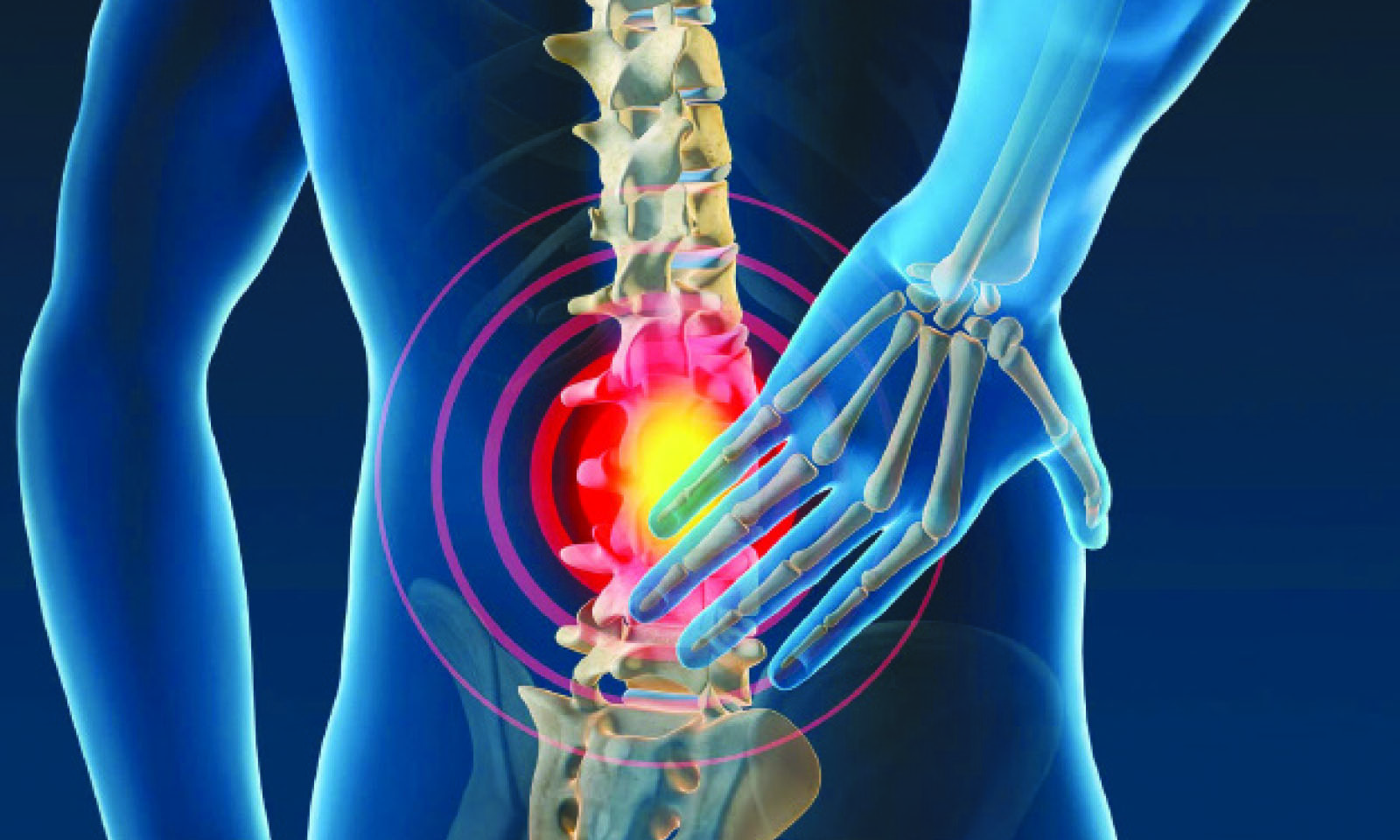
Rumbidzayi Zinyuke
Health Buzz
Growing up, back pain seemed like an inevitable part of ageing. Elders would groan as they attempted to rise from the floor, twisting their bodies in awkward manoeuvres just to stand upright. It was a familiar scene, and we accepted it as the natural tax of growing old.
But something has changed.
Back pain is no longer the preserve of grandparents. Increasingly, people in their 40s, and sometimes even teenagers, are joining the chorus of complaints. The discomfort is no longer occasional; it lingers, disrupts sleep and forces people to rely on painkillers just to get through the day.
No one seems to be asking why. Has back pain become so common that it has been normalised, an “accepted anomaly” we no longer question?
Or is this silent burden a sign of deeper shifts in our lifestyles, work environments and health systems that Zimbabwe has yet to confront?
It is getting increasingly clear that back pain has quietly become a public-health crisis. Globally, it has emerged as the leading cause of disability, affecting nearly 619 million people in 2020 with forecasts estimating a rise to 843 million in the coming decades. Regionally its impact is even heavier. Across Africa, annual prevalence rates are estimated at 57 percent with lifetime prevalence around 47 percent, well above global averages.
In Zimbabwe, research reflects these trends with alarming clarity. Mineworkers have reported low back pain at rates exceeding 40 percent with lifetime prevalence estimated to reach over 50 percent. Equally concerning, over 40 percent of secondary school students say they have experienced recurrent back pain, a sign that this burden starts young and threatens to linger into working age.
According to experts, the human spine is a marvel of intertwined vertebrae, cushioning discs, ligaments, tendons and muscles. But it is also vulnerable. Mechanical strain, ageing, injury, inflammatory diseases, infections and systemic disorders like osteoporosis or fibromyalgia all contribute to low back pain. In Zimbabwe, this biological susceptibility is compounded by social and structural factors.
Daily realities in rural areas, from bent-over farming to carrying water or firewood by head, expose communities to chronic physical stress. In urban areas, sedentary desk jobs with poor postural support, combined with rising obesity and weakened core strength, further accelerate the onset of back pain.
Psychological stress, rooted in economic hardship, poor sleep and anxiety also exert a physiological influence, often intensifying musculoskeletal pain.
Back pain is not a private nuisance; it is an invisible drain on national productivity. With more than 60 percent of Zimbabwe’s workforce involved in informal or physically demanding labour, chronic pain often translates into lost income, missed workdays and long-term disability. Even sectors that are less visible in the economy, report sustained musculoskeletal disorders among support staff, with a high prevalence.
Despite its high burden, back pain rarely features in national health priorities. In low- and middle-income countries, musculoskeletal disorders are deprioritised in favour of infectious diseases such as HIV/AIDS, tuberculosis, and malaria.
Diagnostic resources and rehabilitative services remain concentrated in urban centres, disconnected from rural areas where the need is greatest. In practice, most patients rely on self-medication or traditional healers, though these approaches rarely target root causes.
Complicating the picture further are the cultural and occupational dimensions: repeated overtime, prolonged manual and informal work have all been identified as significant risk factors among Zimbabwean workers, particularly miners.
The World Health Organisation has issued well-defined guidelines for managing chronic primary low back pain. Key recommendations include holistic, person-centred approaches that combine self-care education, tailored exercise programs, some forms of physical therapy (such as spinal manipulation and massage), psychological interventions like cognitive behavioural therapy, and use of nonsteroidal anti-inflammatory drugs (NSAIDs) when appropriate. Notably, WHO advises against routine use of lumbar belts and opioids due to the risk of dependence or harm.
Through its Rehabilitation 2030 initiative, WHO emphasizes incorporating rehabilitation services, such as musculoskeletal care, into universal health coverage. Its Package of Interventions for Rehabilitation includes specific protocols for low back pain, highlighting the need for system-level integration of rehabilitation into primary care and the broader health system.
Pathways to Change
Zimbabwe can adapt these global frameworks locally. Awareness campaigns at schools and workplaces could shift cultural perceptions, prompting earlier care-seeking and preventive behaviour. Simple workplace interventions, better seating, task rotation, lifting aids, can reduce strain in both urban and rural settings. Clinics and hospitals can incorporate basic physiotherapy guidelines aligned with WHO’s person-centred approach, and develop networks with trained traditional healers to encourage evidence-aligned referrals.
Early identification must also extend into schools, where recurring back pain often begins in adolescence, an opportunity for preventive interventions before chronicity sets in.
Training community health workers in basic ergonomic advice and encouraging active lifestyles can also build resilience in rural communities.
Back pain is no longer an oddity in old age, it is a defining feature of everyday life for many Zimbabweans. Without concerted policy attention and investments, this silent epidemic will continue to sap both individual well-being and national productivity. But if integrated into primary health initiatives, aligned with WHO recommendations, and supported by targeted prevention efforts, musculoskeletal health can become a priority rather than an afterthought.
The question Zimbabwe must now ask is not why back pain exists, but why it is still tolerated. Treating back pain as a shared responsibility rather than a private burden may be the first step toward a healthier, more productive nation.
Feedback: [email protected]