Online Reporter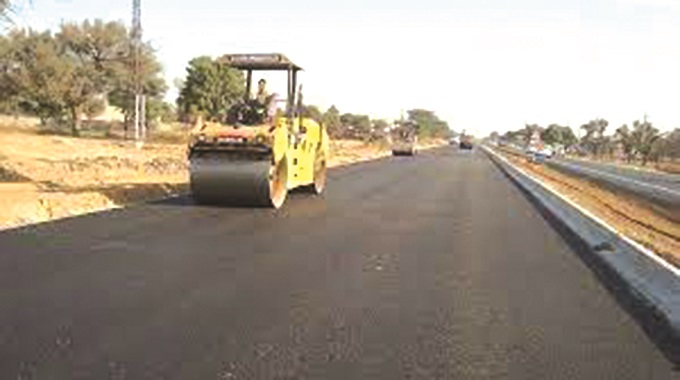
Freedom Mupanedemo, Midlands Bureau
THE Midlands Province is undergoing a notable transformation of its road infrastructure, thanks to the Emergency Road Rehabilitation Programme (ERRP) — a flagship initiative of the Second Republic aimed at modernising Zimbabwe’s transport systems and driving socio-economic development across all provinces.
Once plagued by potholes and years of neglect, many roads in the province are now being upgraded into smoother, safer highways. This progress reflects the Government’s commitment to improving connectivity and boosting economic growth through modernised transport networks.
One of the latest projects underway is the rehabilitation of the Gweru–Maboleni–Crossroads Road in Vungu Constituency, Lower Gweru. The commencement of works has been warmly welcomed by villagers, farmers and motorists who have long endured poor road conditions.
Ward 19 Councillor Nkosana Sibanda, said the rehabilitation of the Maboleni Road will directly stimulate the local economy by improving access for businesses and ensuring safer, more efficient travel for motorists and farmers transporting produce to Gweru and surrounding markets.
“The commencement of the Maboleni Road works has brought renewed hope to residents and farmers alike. This development will not only improve safety for travellers but also enhance access to Gweru and other key trading centres,” said Clr Sibanda.
Launched in 2021, the ERRP is a national initiative designed to restore Zimbabwe’s road network, much of which had suffered extensive damage due to heavy rains and years of limited maintenance. The programme prioritises road reconstruction, drainage system upgrades, bridge repairs and routine maintenance across both urban and rural areas.
The Midlands Province has emerged as one of the major beneficiaries, with several key roads — such as Shurugwi–Mhandamabwe, Kwekwe–Chitekete and Zvishavane–Mberengwa — undergoing significant rehabilitation.
The ERRP is aligned with Vision 2030, which seeks to transform Zimbabwe into an upper middle-income economy by ensuring inclusive development that leaves no place and no one behind.
Infrastructure development remains a cornerstone of the National Development Strategy 1 (NDS1), and the rehabilitation of roads like Gweru–Maboleni–Crossroads not only improves mobility but also contributes to national productivity. It reduces transport costs, enhances access to education and healthcare, and encourages investment in rural areas.
In addition to improving infrastructure, the ERRP has created thousands of direct and indirect jobs for local communities. Employment opportunities range from construction work to support services such as quarrying and equipment maintenance, further contributing to economic empowerment and community development.