admin
admin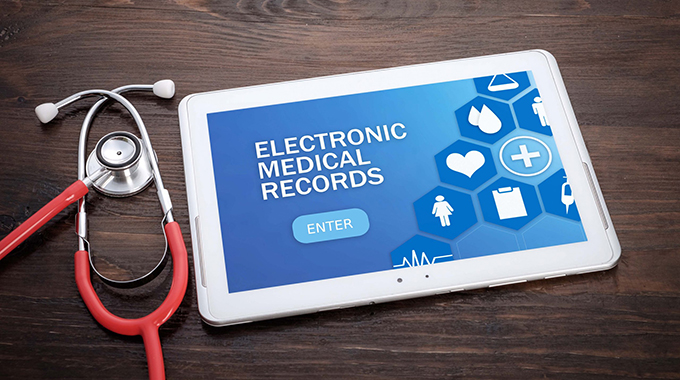
Rumbidzayi Zinyuke Senior Health Reporter
The roll out of the Government’s Impilo electronic health system (EHR) across the country has gained momentum on the back of the installation of solar systems in health facilities which has provided constant connectivity for digital health solutions.
The electronic health solution is a data collection and management system which seeks to improve the efficiency of healthcare delivery and reduce errors, particularly in areas where paper records are still in use.
The system allows for the collection, analysis, and dissemination of health data which can help to identify health trends, track disease outbreaks, and inform healthcare policy.
However, due to persistent power cuts that usually disturbed internet connectivity to allow for the smooth running of the system, there were interruptions to the roll out of the electronic system. But the Government, with support from the United Nations Development Programme (UNDP) and Global Fund has installed solar systems at more than 1 000 health centres to ensure all facilities have power back up.
This has powered the internet connectivity for the health facilities and allowed for all capacitated centres to effectively roll out the EHR system.
Speaking during a recent Solar for Health media tour, Chivi District Medical Director Dr Onward Tendaupenyu said the EHR system was part of the Government’s move towards going paperless.
“As the ministry, we have weekly disease surveillance systems where diseases are captured and recorded into the system,” he said. “In these days of pandemics, information is needed in real time to help authorities to come up with solutions to certain health challenges. If we get a cholera case, the Minister would want to hear about it within 24 hours.”
Dr Tendaupenyu said now that the Chivi District Hospital had a constant source of power, data capturing was being done electronically instead of using the manual system.
This also enables the district hospital to receive information from clinics that feed into it in real time.
In Matabeleland South, at least six out of seven districts have already rolled out the EHR system, which has allowed health centres to move away from paper registers.
Provincial Medical Director Dr Andrew Muza said health workers were now able to review patient records even when they were away from the physical site where the patient accessed services.
“But for us to be able to realise gains from this important innovation, we needed to have a good power back up system which the solar for health project has provided,” he said. “We have installed hardware and software at our facilities so for optimum operation of this EHR programme.
“We have really benefited from the solar health project because now we can ride on that platform and introduce other new systems in the Ministry that can help patient care.”
Bulawayo City health services director Dr Edwin Sibanda said the solar project had contributed to the vision to go paperless.
“If we are going to have paperless administration, we need connectivity and this requires uninterrupted power supply,’ he said. “The bookings have to be done electronically using the electronic health records system so to transmit the information we need connectivity and that connectivity needs uninterrupted power.”
Dr Sibanda said the implementation of the result-based financing urban voucher programme had also been successful owing to the availability of power. The urban voucher programme allows pregnant women to buy a voucher, which enables them to access free maternal services from antenatal care right up to delivery and can also cater for transfer and operations at central hospitals.
“All our clinics and one hospital are on the EHR system but we have not yet gone completely digital,” said Dr Sibanda. “We have not yet decommissioned the paper registers, so they still record on EHR and on paper for back up but we envisage a situation where we will fully transition to a fully digital system hopefully by next year.”
Dr Sibanda said the health centres were faced with a shortage of qualified personnel to run the system owing to the staff attrition that has been recorded in the health industry over the past years. “We recruit a group of nurses today and train them on EHR but when they are competent, they leave and we have to start all over again,” he said. “That has been one of our drawbacks in the full implementation and roll out of EHR. We have the required gadgets but what we lack are the people who are confident to use the system.”
The Solar for Health project is one of the developments that has seen the Government move towards the attainment of goals set under the National Development Strategy as it seeks to improve access to quality healthcare for all.
To date, over US$20 million has been channelled into the solar project.
According to UNDP Programme Manager Mr Emmanuel Boadi, health information, which had been strengthened by the project, was essential for quality health service delivery.
“The main reason for the Solar for Health project was to ensure that all the facilities in Zimbabwe have power all the time to support provision of quality health services,” he said.


 Online Reporter