

 Online Reporter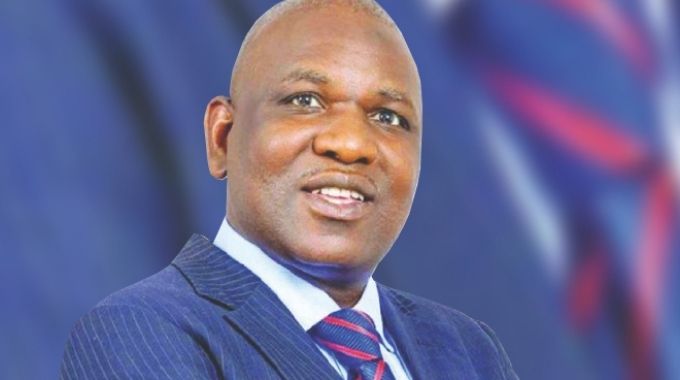
Sikhulekelani Moyo
Zimpapers Business Hub
BUSINESSMAN Mr Tawanda Nyambirai says issuing land title for rural farmland can unlock billions of dollars of untapped capital that could transform the livelihoods of the rural majority and boost national gross domestic product (GDP).
Speaking at the Zimbabwe National Chamber of Commerce (ZNCC) Matabeleland Annual Business Awards held in Bulawayo recently, Mr Nyambirai listed rural farmland titles as one of four key initiatives Zimbabwe can implement to grow businesses and compete globally.
He argued that without a formal title, rural farmland cannot be accepted by formal financial systems, locking millions of Zimbabweans out of capital markets. “What we should do rather is to move to a situation where title is given for that rural land so that the value can be acceptable to the formal financial systems,” said Mr Nyambirai.
He said the move would empower residents in rural areas, who make up the majority of Zimbabwe’s population, by turning homesteads into valuable, bankable assets.
“Just imagine the billions of dollars we could unlock if there were titles to our rural homes,” he said.
Mr Nyambirai’s observations hold weight given his experience as a businessman whose empire spans banking, law and other investments.
He currently serves as the chief executive of TN Cybertech, having led the restructuring of Steward Bank, which he founded as TN Bank, into Zimbabwe’s first unmanned, tech-driven neobank.
He co-founded this prominent Harare-based corporate and commercial law firm alongside lawyer Ms Beatrice Mtetwa.
Mr Nyambirai is also the brains behind the flagship financial advisory and wealth management firm, TN Financial Services, which has managed massive assets. He is also invested in TN Harlequin, a prominent furniture manufacturer and retailer in the region and TN Livestock, an innovative initiative designed to enable livestock-backed investments.
Mr Nyambirai believes titled land would allow rural households to leverage the assets for loans to scale up farming, small businesses and other ventures, thereby increasing their participation in the formal economy.
Addressing the “they will sell” fear, the businessman revealed he had raised the idea with a senior Government official who expressed concern that titled rural landholders would sell and become homeless. Mr Nyambirai dismissed the concern, saying: “. . . but land will remain land. It will never be exported. Whether they sell that, it will remain land available in Zimbabwe.”
“We have to trust them to be able to use that money that they get meaningfully rather than sit on an asset,” he said. He added that land is already changing hands informally, but the intended beneficiaries are not benefiting. Formal titles would bring transparency and ensure rural communities capture value from their own land.
“Land is already being sold. Except that maybe those who should benefit from those sales are not benefiting from them.
“Give title to rural land so that the rural population can have valuable assets in their hands that they can leverage to become competitive and to scale. And that could be a significant boost to our GDP,” he said.
Mr Nyambirai’s rural land proposal formed part of a wider call for financial innovation.
He also urged Zimbabwe to treat diaspora remittances as patient investment capital, learn from the Chinese model of supporting citizens abroad and adopt fractional ownership of assets to make property and vehicles accessible. But he stressed that titled rural land could be the biggest game-changer for inclusive growth.
By converting communal homesteads into collateral, the Government and banks would create a new class of asset owners able to borrow, invest and expand without waiting for foreign investors.
“Ladies and gentlemen, if we just keep on one of those ideas and expound on them and innovate around them, we’ll become a better society than we are,” he concluded.
Policymakers have long debated rural farmland tenure reform. Mr Nyambirai’s intervention adds business weight to the argument that titling is not just a social justice issue but an economic imperative for unlocking capital, creating jobs, and driving rural industrialisation.


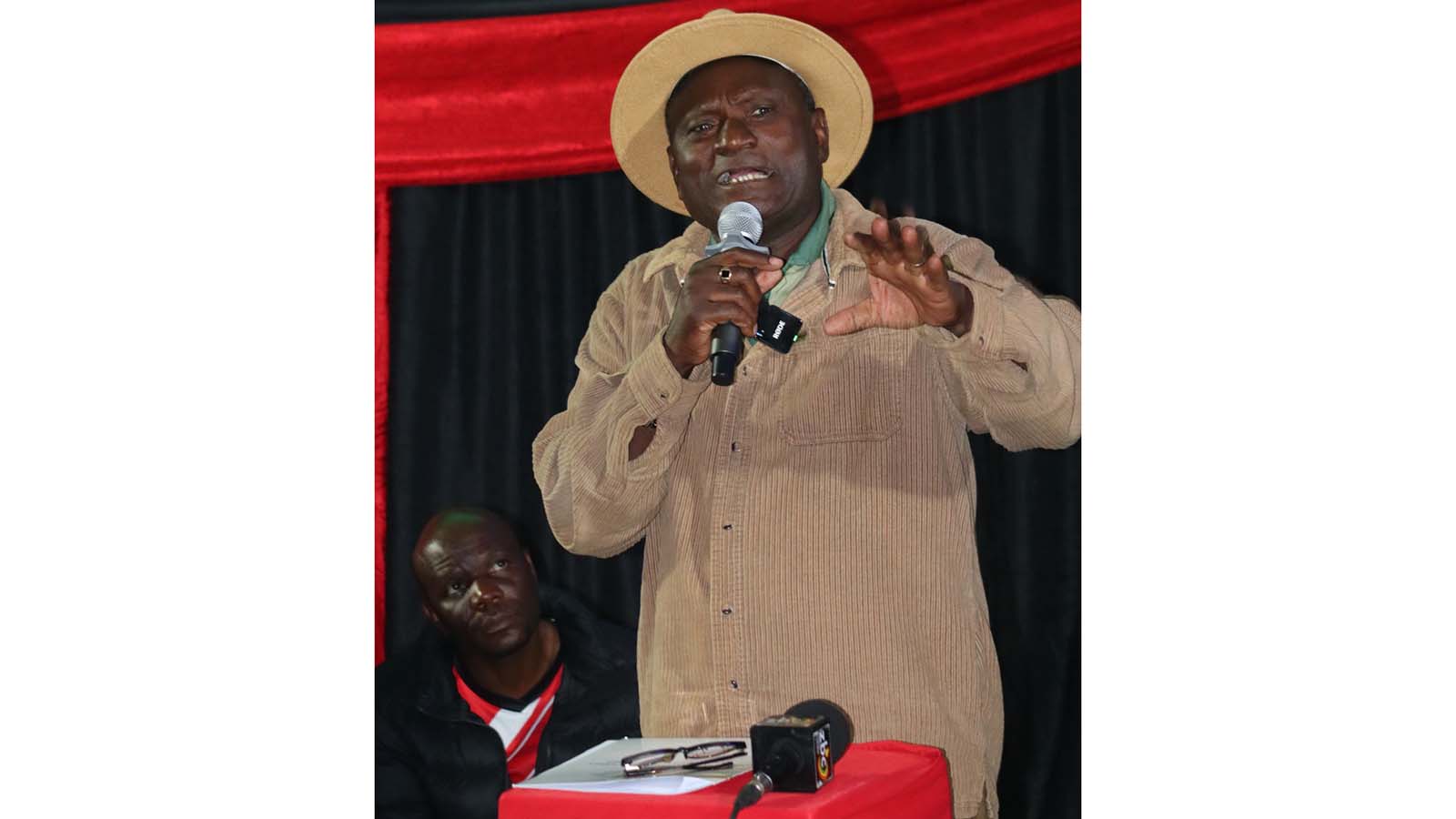
Nyambirayi is a hot blooded capitalist who dreams money wherever he is. Rural land cannot be titled because, in reality it doesn’t belong to anyone. It’s on generational “lease” to humankind and held in trust for the people by traditional leadership. It will remain so as long as people exist. Ownership of rural land cannot be commercialized because its value is intrinsic. Nyambirayi isn’t looking at extraction of value out of rural land but at building empires via disbursement of loans through financial institutions like his bank. We know the consequences of poor people securing loans from these banks. Ask any small business owner at growth points all over the country.