Online Reporter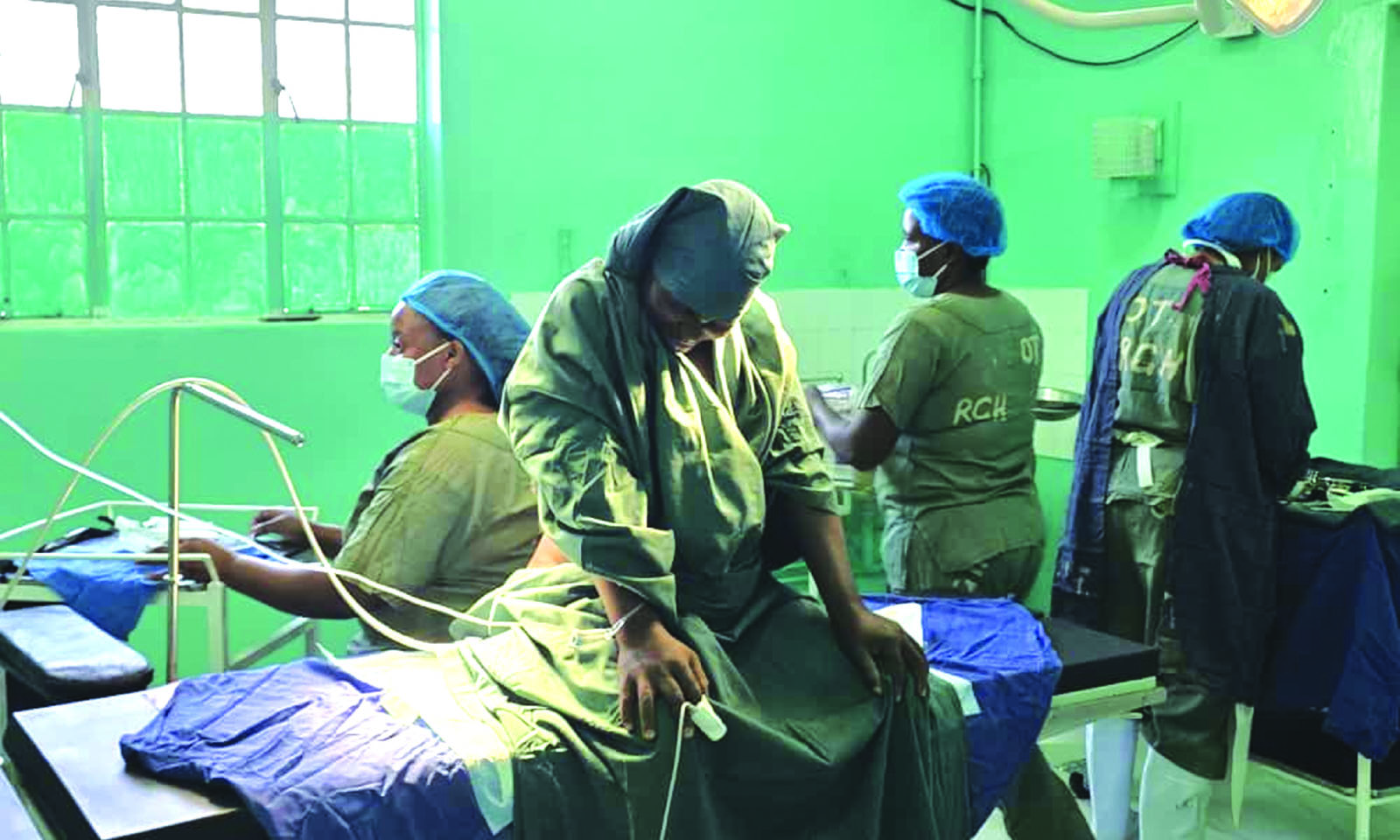
Rumbidzayi Zinyuke
Senior Health Reporter
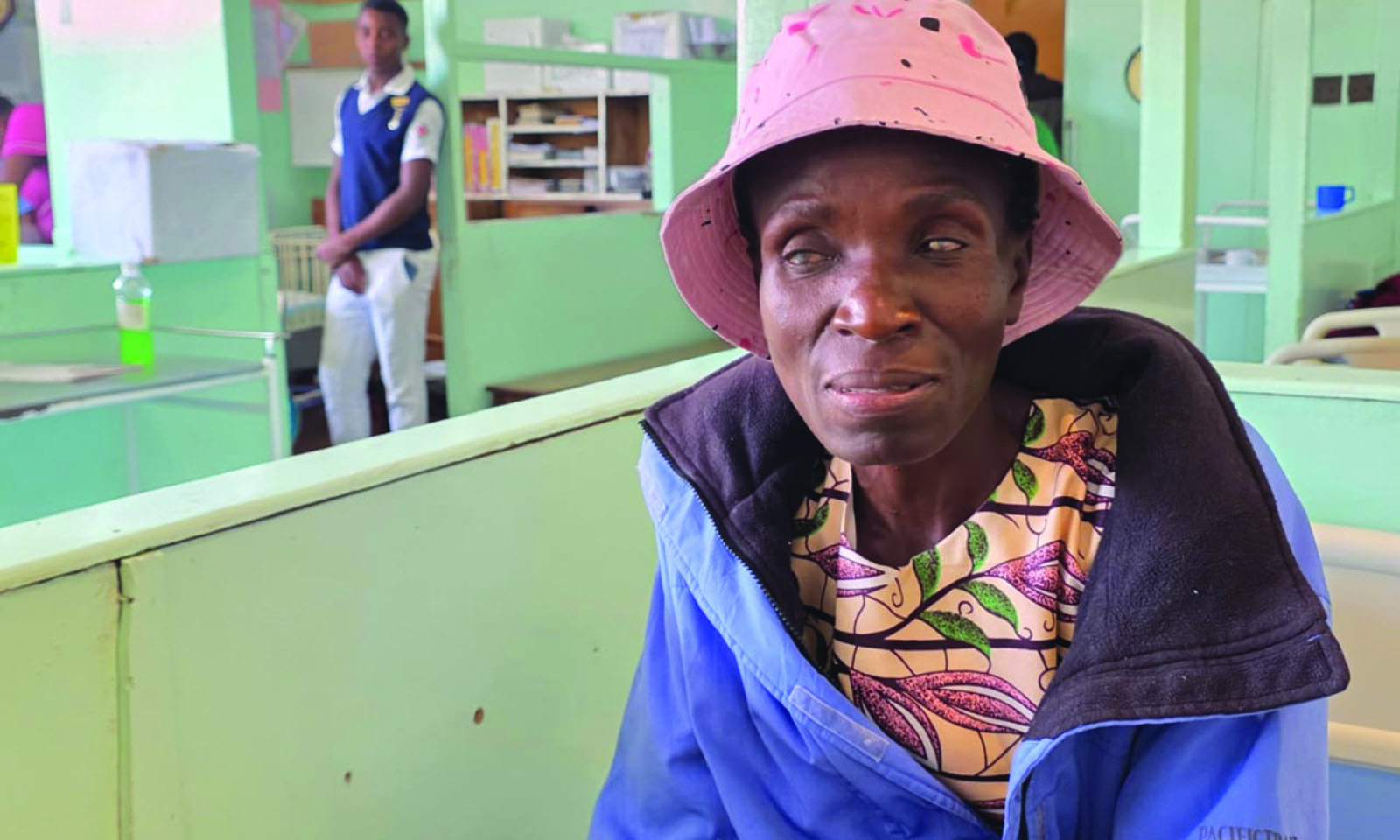
When 56-year-old Mavis Chakanyuka from Devedzo in Makoni District began experiencing severe abdominal pain and abnormal bleeding five years ago, she knew something was wrong.
But her visits to the clinic brought no relief.
“I had been going for VIAC (Visual Inspection with Acetic Acid and Camera) screening for more than five years, and the results always came back clear. But the pain and bleeding did not stop. At one point, I started producing a foul-smelling discharge mixed with blood, so I went back to the clinic. That is when they referred me to Rusape General Hospital,” she recalled.
At Rusape, further investigations revealed that her uterus was swollen and they suspected cancer. So the doctors recommended a hysterectomy.
“I only had one child and after that, I had two miscarriages. I accepted being told that I needed a hysterectomy because of the pain I had endured for years. In the past, this would have meant travelling to Mutare for surgery, but I was relieved when the doctors assured me that I could get the procedure done here in Rusape,” she said with a smile.
For women like Mrs Chakanyuka, the reopening of the Rusape General Hospital main theatre, which had been out of service for almost 10 years, has brought hope and relief.
For nearly a decade, patients in Rusape and surrounding districts requiring major surgical operations had to be transferred to Mutare or even Harare. This not only delayed critical care, but also imposed heavy financial and emotional burdens on families.
Today, the newly refurbished theatre has restored dignity and timely healthcare to hundreds of patients. Caesarean sections, hysterectomies, and other life-saving operations are now being performed close to home, saving lives and reducing the risks associated with long-distance transfers.
Specialist obstetrician and gynaecologist Dr Elton Sangurayi, who joined Rusape General Hospital in June, said the theatre has already become a game-changer.
“We have successfully carried out more than 15 hysterectomies since resuming services. Some are abdominal, others vaginal with no external scar. We also conduct caesarean sections and other surgical procedures. With support from other medical teams and anaesthetists, the outcomes so far have been excellent,” he said.
One of the success stories is Ms Yvonne Mushipe, who recently delivered her fourth child via caesarean section.
“I assumed there would be complications, but the operation went well, and I delivered a healthy baby. I am relieved that I did not have to be transferred to Mutare or Harare,” she said.
The restoration of Rusape’s main theatre is part of the Government’s broader health infrastructure rehabilitation programme under the National Development Strategy 1 and Vision 2030.
Through this drive, hospitals and clinics across the country are being rehabilitated, with new equipment supplied to ensure communities have access to quality services.
Rusape’s case highlights the impact of these investments, transforming lives by bringing essential services closer to the people.
For years, women like Mrs Chakanyuka bore the brunt of limited access to surgical care, often forced to wait longer for procedures or travel long distances. Now, the situation has shifted.
With specialist care available locally, the hospital has become a beacon of hope for the wider Makoni District and beyond.
As the refurbished theatre continues to serve patients, it stands as a symbol of what improved health infrastructure can achieve.
It is saving lives, restoring hope, and proving that no one and no place should be left behind in accessing quality healthcare.