Online Reporter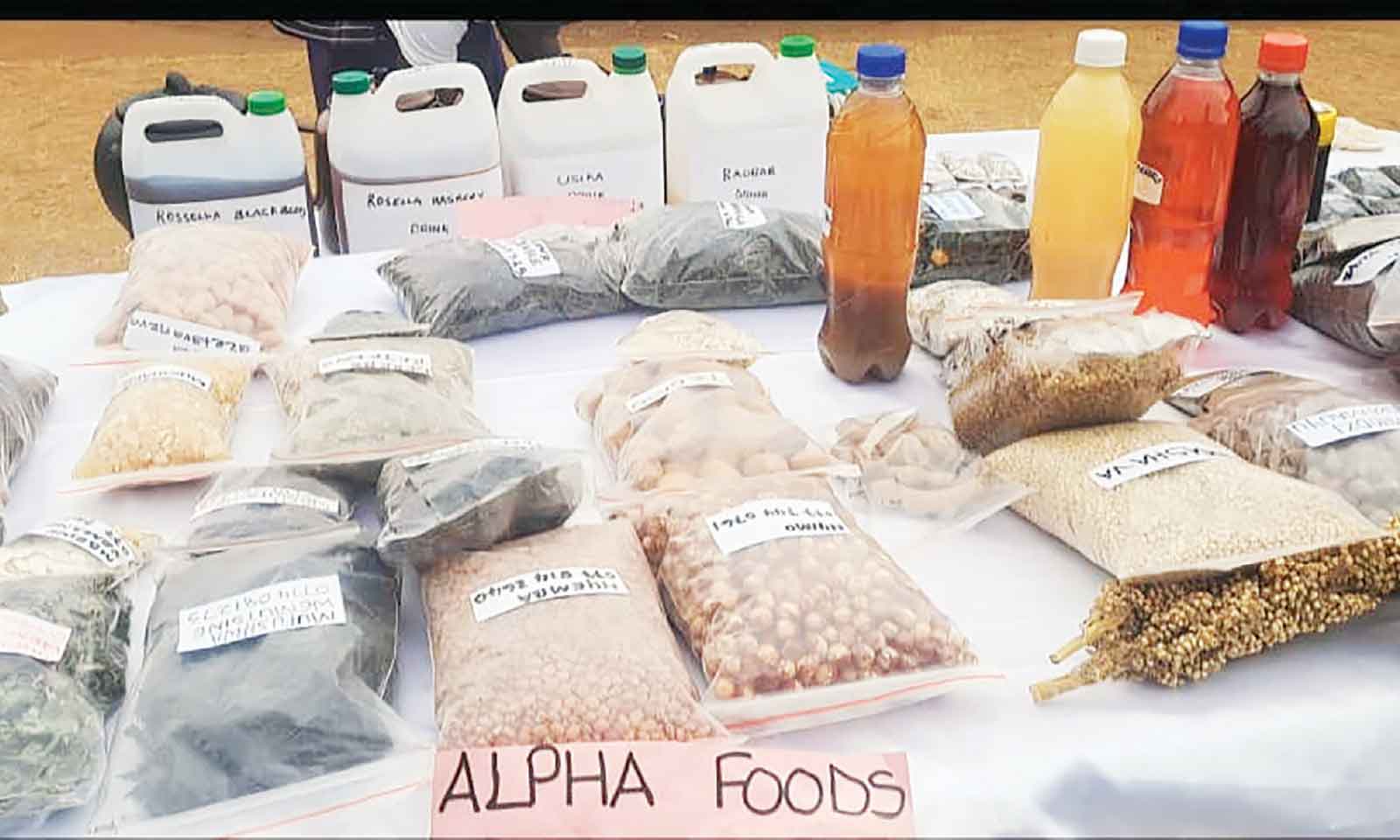
Fungai Lupande
Mashonaland Central Bureau
In the arid community of Chomutukutu in Rushinga District, a group of determined women is rewriting the story of food security, nutrition and livelihoods, one rosella plant at a time.
What started as a small backyard initiative has grown into a thriving enterprise for the Alpha Foods women’s group, which is value-adding rosella into jam, juice, tea and other nutritious products.
Rosella is a flowering plant rich in vitamin C, antioxidants, calcium, and iron, and is valued for its tart-sweet flavour
The project was introduced in 2023 by BIZ (Bio Innovation Zimbabwe), and has since transformed lives in this drought-prone area.
Beyond rosella, the women are tapping into nature’s abundance by harvesting indigenous fruits such as tsomo, tsvanzva and baobab, which already have a ready market at Utano Foods, Icaza and Kapanda.
Through massive value addition, these traditional foods are being turned into modern products including baobab drinks, rosella beverages and indigenous coffee blends.
Using organic farming methods, the group has also expanded into sorghum and groundnuts, crops well-suited to Rushinga’s dry climate.
From white sorghum, they produce bread affectionately known as “chimututu buns,” while groundnuts are cooked together with cowpeas and sugar beans to make a nutritious dish locally called “gulash.”
“This food is very healthy for our children and the whole family,” Mrs Theresa Kambanje said.
Mrs Kambanje said they initially planted rosella on a small piece of land before gradually increasing production.
“We were affected by the 2023/2024 drought, but rosella production has improved in our area,” she said.
She explained that rosella is easy to grow and thrives without fertilisers or pesticides.
“In just two days the seeds germinate. We sell rosella at US$2,50 per kilogramme,” she said.
Mrs Kambanje added that small grains do well in Rushinga, with white sorghum maturing in just two months.
The group’s next goal is to purchase a grinding mill to improve processing and increase profits.
Beyond income generation, the project has placed nutrition and health at the heart of community development.
Mrs Esnath Mudzemba, a lead mother in the care group, said they closely monitor children under five and pregnant women.
“We regularly take children’s MUAC measurements. Underweight children are referred to clinics or hospitals, and we encourage pregnant women to attend antenatal visits,” she said.
The care group also uses these gatherings to raise awareness about HIV and AIDS, helping to reduce stigma and discrimination.
“We have noticed that organic foods and indigenous fruits are tremendously improving the health of our families,” she said.
Welt Hunger Hilfe field manager, Mr Tamuka Betserai, said the organisation’s mandate focuses on food security, nutrition, WASH and climate resilience.
“We started working in Mashonaland Central in 2017, mainly rehabilitating boreholes, drilling new ones and establishing piped water schemes,” he said.
To ensure sustainability, the organisation introduced WASH system strengthening, enabling communities to manage and monitor projects themselves.
Mr Betserai said in 2023, Germany funded the Anticipatory Action Project, which prioritises people-first impact.
This year, the Baur Foundation also began funding drought response programmes.
“In Rushinga, BIZ came in 2022 to support indigenous and organic farming. They create market linkages, and together we are boosting nutrition to achieve Zero Hunger,” he said.
He added that BIZ is registered with the Standards Association of Zimbabwe, ensuring products are produced under strict hygiene conditions.
Rushinga District Development Coordinator Mrs Loretta Dube applauded development partners for uplifting community livelihoods.
“These projects allow families to sell produce while retaining some for household consumption,” she said.
“With the income, families are sending children to school, women have formed lending and savings clubs, and community health clubs are spreading hygiene awareness.”
She added that sanitation action groups are working tirelessly to eradicate open defecation, contributing to healthier communities.
Women of Chomutukutu are proving that indigenous knowledge, organic farming and value addition can unlock prosperity, even in the driest of regions.