

 admin
admin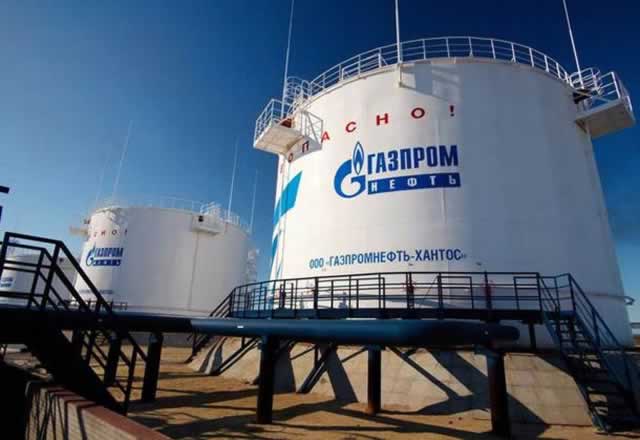
MOSCOW. – The Russian national energy giant Gazprom announced on Wednesday that it was cutting off natural gas exports to Poland and Bulgaria over the countries’ refusal to pay in roubles.
It was seen as a way for Russia to prop up its unstable currency and also retaliate against its European neighbours for Western sanctions related to the invasion of Ukraine.
It also marked a new front in the war. Russia, which has grown more isolated from a Europe increasingly aligned with the United States, signaled it was willing to use the continent’s heavy reliance on Russian natural gas as political leverage.
About 40 percent of the EU’s gas comes from Russia, but the bloc had been trying to wean itself off of Russian energy even before the invasion of Ukraine.
“We will remain united and support each other while phasing out Russian energy imports,” European Council President Charles Michel said in a tweet.
Analysts say the decision demonstrates that Russia would be prepared to penalize other, larger European countries for failing to pay in rubles — even if it means Gazprom takes a financial hit.
“It does show that Russia is willing to halt supplies if people don’t subscribe to the new payment system,” said James Waddell, head of European gas at the London-based Energy Aspects. “It’s a warning shot for other bigger buyers in Western Europe that they are willing to carry out that threat.”
Germany and Italy are among the major European importers of Russian natural gas.
Some European energy companies appear willing to meet Russia’s demand, however. At least four European gas buyers have made payments to Gazprom in roubles, Bloomberg reported. Hungary announced earlier this month that it would pay for Russian natural gas in roubles, too.
EU countries that don’t buy natural gas from Russia will have to buy it somewhere else. That could lead to a shake-up in global energy markets, which have already seen their prices spike.
European buyers will likely seek out liquefied natural gas, or LNG, and bid up the prices as they have in the past, according to Henning Gloystein, energy director at the Eurasia Group. – NPR.org


 Online Reporter