

 malvernmugadzikwa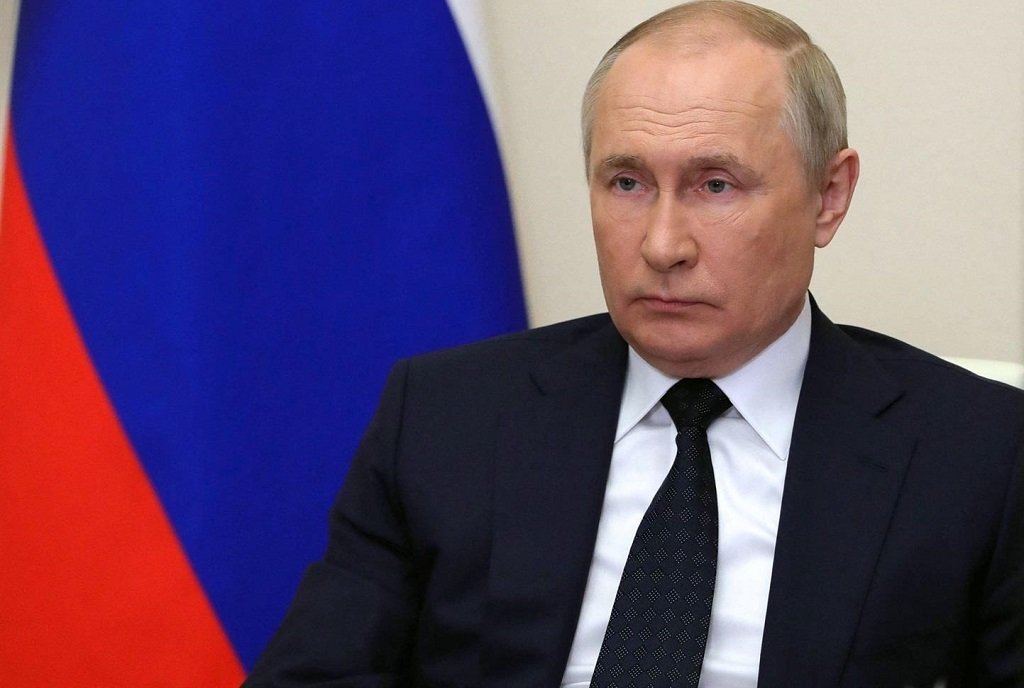
Russia is considering a plan to buy as much as US$70 billion (R1,2 trillion) in yuan and other “friendly” currencies this year to slow the ruble’s surge, before shifting to a longer-term strategy of selling its holdings of the Chinese currency to fund investment.
The yuan briefly extended gains against the dollar after the news, rallying to a session high. The lira rose as much as 0,2 percent on the news and was trading 0,1 percent higher at 18,1754 per dollar as of 11:36am in Istanbul. India’s rupee also gained.
The proposal is among a slew of measures that would amount to an effective repudiation of more than a decade of economic policy as the Kremlin overhauls its strategy amid sweeping sanctions imposed by the US and its allies over Vladimir Putin’s invasion of Ukraine.
The plan won initial support at a special “strategic” planning meeting of top government and central bank officials including Governor Elvira Nabiullina on August 30, according to people familiar with the deliberations who spoke on condition of anonymity to discuss matters that aren’t public.
The approach highlights how sanctions have upended Russia’s economic strategy, with the freezing of about half of its US$640 billion in foreign exchange reserves after the February invasion leaving the Kremlin without access to money it had spent years saving for a rainy day. It also underlines how efforts to diversify those holdings out of dollars and euros to reduce the risk of seizure have had only limited effect.
“In the new situation, accumulating liquid foreign exchange reserves for future crises is extremely difficult and not expedient,” a presentation on the proposal prepared for the meeting said.
For years, the Kremlin contained spending and saved hundreds of billions in dollars, euros and other foreign currencies as a cushion to insulate the economy from the ups and downs of oil prices.
“The frozen $300 billion were of no help to Russia; on the contrary, they became a vulnerability and a symbol of missed opportunities,” the presentation said, in a rare official admission of the true impact of sanctions.
Bloomberg saw a copy of the document, which isn’t public, and the people familiar with the meeting confirmed its authenticity. The government and central bank didn’t immediately respond to requests for comment on the plan.
Saving that money “is a direct reduction of investments in Russia in favour of investments in other countries,” the document said.
The government and central bank press services didn’t immediately respond to requests for comment on the plan.
Friendly currencies
Even buying the currencies of “friendly” countries is problematic, it noted, saying that selling yuan holdings “requires separate agreement with China, which will be very hard to get in a crisis.” Other currencies like the UAE dirham are subject to “high political risks” because those governments might shift their policies, while the Turkish lira faces major devaluation risks, the document said.
But in the short term, with earnings from exports of oil and gas flooding in and driving the current account surplus to a record this year and pushing the ruble higher, the proposal calls for spending 4,4 trillion rubles (R1,2 trillion) to buy the currencies of “friendly” countries, mostly yuan.
Banks, the plan notes, are flooded with “soft” currencies at present because efforts to shift trade out of dollars and euros so far have made limited progress and Russia’s trading partners aren’t enthusiastic about taking payment in their own currencies.
Officials first broached the idea of buying “friendly” currencies to slow the ruble’s rise in June. At the time, Economy Minister Maxim Reshetnikov criticised the idea, saying it wouldn’t be enough to move the ruble rate much but would force the government to reduce spending sharply.
The document doesn’t mention the yuan’s decline against the dollar this year, which has eroded the value of Russia’s reserves, which it counts in the US currency.
Before the war, Russia had steadily increased its yuan investments as part of its diversification campaign, becoming one of the largest holders of reserves in the Chinese currency in the world. But while those assets haven’t been frozen by US and European sanctions, Russia’s access to them is still limited.
The document says yuan holdings could reach US$180 billion, including unspecified additional purchases made this year. The central bank stopped reporting the currency breakdown of reserves after the sanctions were imposed. On January1, it said the yuan accounted for 17,1 percent of its holdings, which works out to be just over US$100 billion.
The plan calls for spending that money – as much as US$180 billion — over the next three to five years to help cover the huge cost of replacing foreign technologies and shifting transport infrastructure toward new markets in Asia.
The document doesn’t detail how the sales for rubles would be handled, noting only that they would strengthen the ruble, helping offset the inflationary impact of the investment spending. — Bloomberg.


 Online Reporter