Online Reporter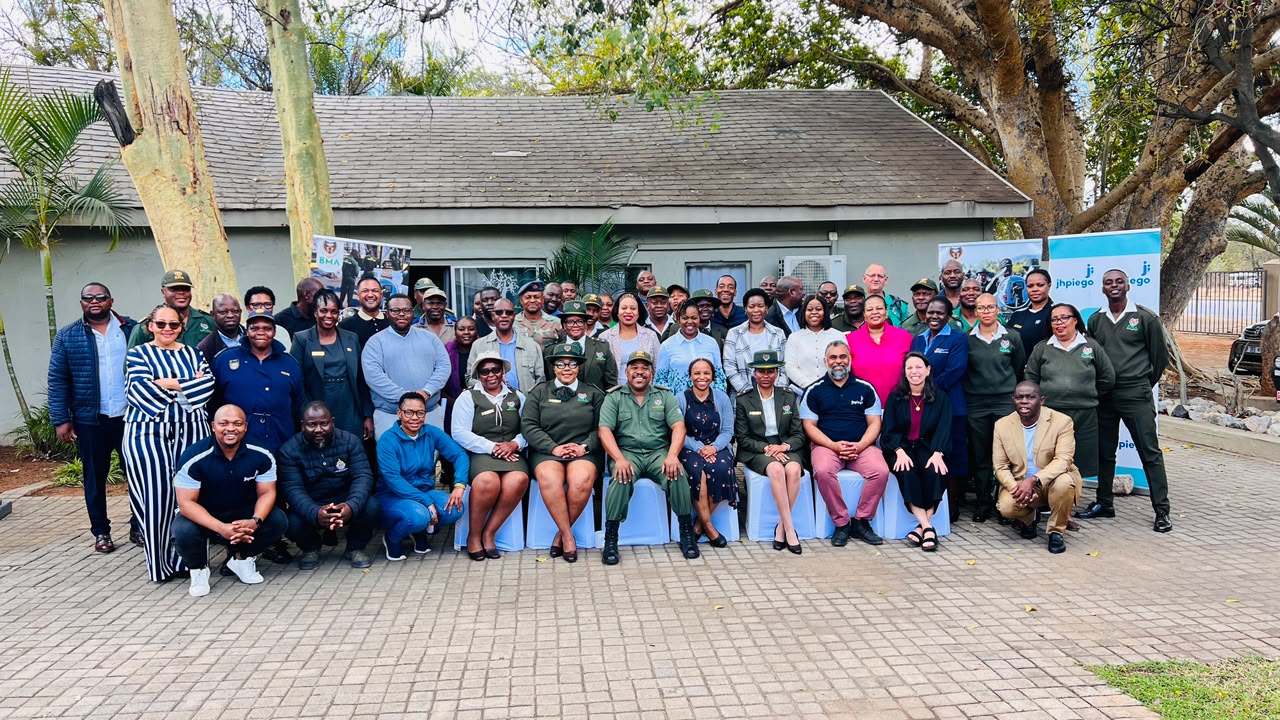
Thupeyo Muleya Beitbridge Bureau
SOUTH Africa’s Border Management Authority (BMA) has conducted its second Ebola Virus Disease (EVD) simulation exercise at Beitbridge Border Post as part of efforts to strengthen preparedness against high-consequence infectious diseases at ports of entry.
The two-day multi-stakeholder exercise was held from August 19 to 20 at the Beitbridge Port of Entry in Musina, following an earlier EVD simulation conducted at OR Tambo International Airport on June 19.
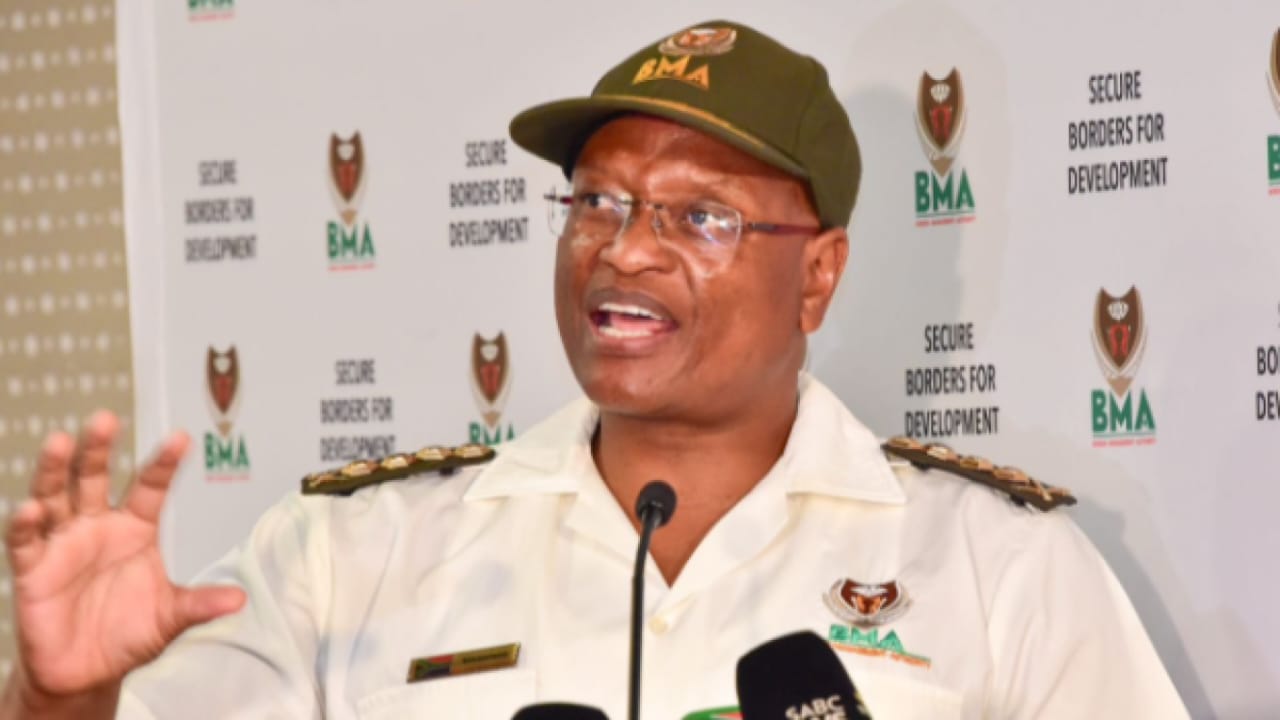
In a statement yesterday, BMA Commissioner Dr Michael Masiapato said the exercise was aimed at testing systems for the early detection, notification, coordination and response to suspected cases of infectious diseases.
“Preparedness is fundamental to effective border management and the protection of public health. The BMA continues to strengthen its readiness across different ports of entry,” said Dr Masiapato.
“The Beitbridge simulation allows us to test our readiness in a high-volume land border environment and strengthen collaboration with our health, emergency response, law enforcement and international partners.”
Beitbridge is one of the busiest land border crossings in the region, handling large volumes of commercial freight, public transport and travellers between South Africa and Zimbabwe.
Dr Masiapato said the exercise brought together several stakeholders, including the National and Provincial Departments of Health, National Institute for Communicable Diseases, Emergency Medical Services, SARS Customs, South African National Defence Force, Musina Local Municipality, Zimbabwean health authorities, Department of Agriculture, United States Centers for Disease Control and Prevention and JHPIEGO.
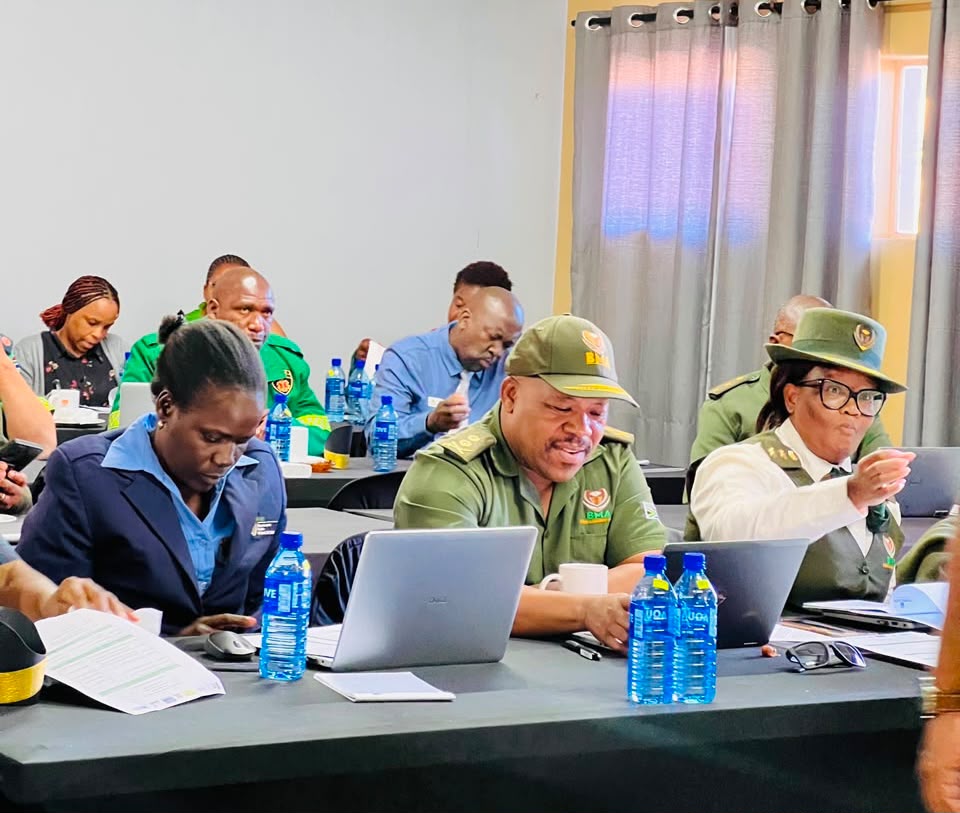
The BMA delegation was led by Assistant Commissioner Mr Murdock Ramathuba and included officials from Port Health, Port Agriculture, Port Immigration and Risk Management.
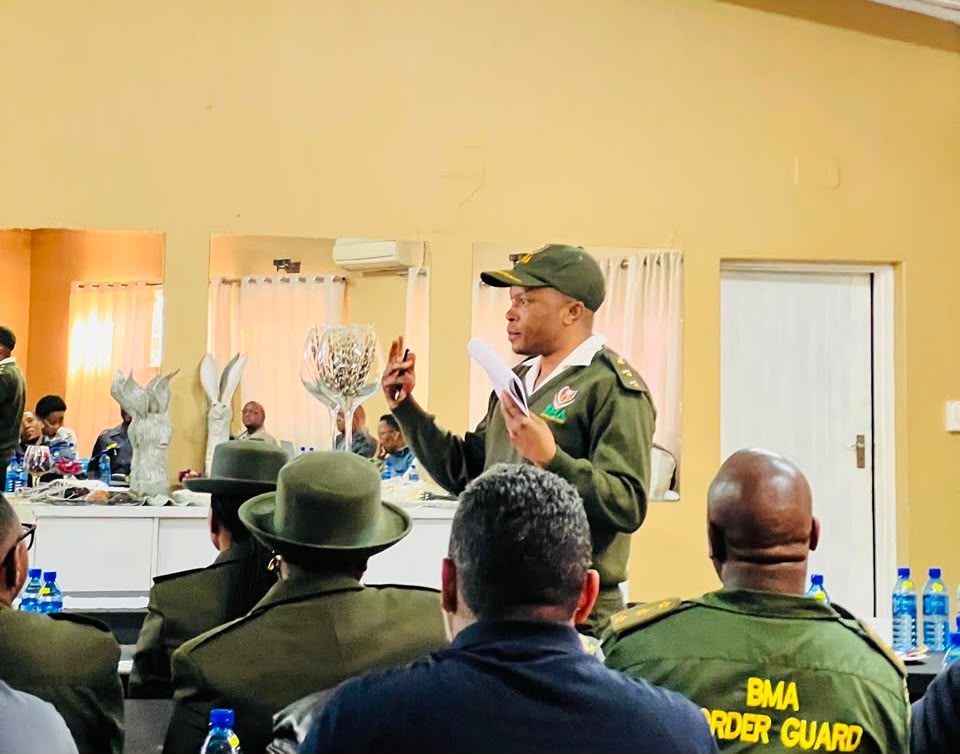
“Day one comprised a Tabletop Exercise to test strategic coordination, notification procedures, roles and cross-border information sharing. Day two involved a Functional Exercise at the port and hospital to demonstrate operational response while routine border operations continued,” said Dr Masiapato.
The simulation involved a scenario in which a traveller was suspected of having imported EVD.
It tested procedures covering screening, isolation, patient referral, contact tracing, environmental decontamination and the management of disinformation.
The exercise also assessed the role of BMA Port Health Services in facilitating the safe transportation of suspected patients and ensuring effective communication among stakeholders.
The BMA said continued simulations and collaboration with national, regional and international partners were essential in strengthening public health preparedness while ensuring the safe movement of people and goods across borders.