admin
admin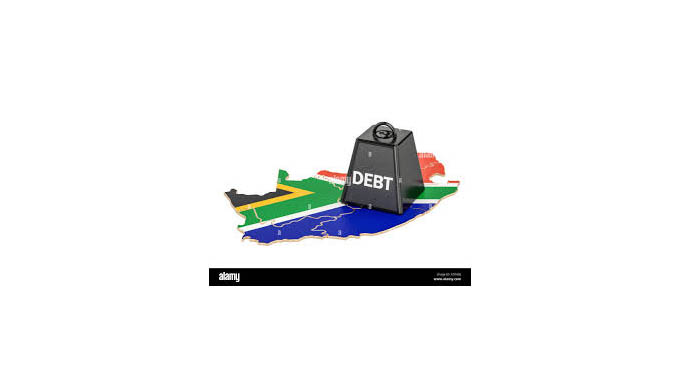
The annual Medium-Term Budget Policy Statement (MTBPS) announcement in October is an important event at which the National Treasury offers insights into the health of the public purse.
The main February budget is much more short-term focused, but over the past decade, the country’s financial problems have migrated from short-term to long-term.
Ten years ago, in 2014, South Africa’s total debt was R1,6 trillion or 43 percent of gross domestic product (GDP). In 2024, it rose to R5,6 trillion or 75 percent of GDP.
This represents a spike in total debt of 250 percent in a decade. Debt is not necessarily bad if used to invest in future prosperity. Unfortunately, this did not happen.
In 2014, South Africa’s GDP was R3,6 trillion, which rose to R7,4 trillion in 2024, an increase of only 105 percent.
There are many reasons, but the most pronounced are state capture, corruption, poor leadership and ineffective spending.
It is a disastrous legacy for our children and their children, as they will have to repay this debt. In fact, the surge in debt is the opportunity cost of poor and dishonest governance.
In this sense, the MTBPS’s central message is a very negative one full of alarm bells, which the finance minister tried to camouflage with his focus on the government’s plans for the future.
I interviewed Enoch Godongwana on Wednesday after he delivered his MTBPS.
He was in a fighting mood following questions about why the government’s previous growth plans were ineffective and why we should believe the new plans would result in accelerated growth.
Godongwana’s responses were littered with jargon such as “structural reforms”, “infrastructure investment”, and a “more capable public sector”. Still, he did not explain why they would work where previous efforts failed. — Moneyweb.


 Online Reporter