admin
admin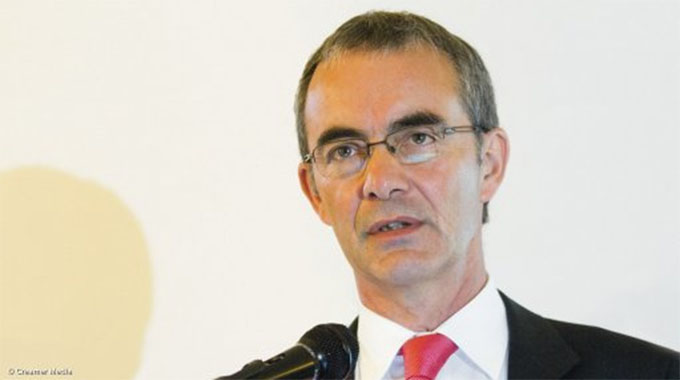
Now severe power cuts since the end of 2022 are affecting output, while state-owned freight rail firm Transnet is struggling to haul minerals to port due to cable theft and vandalism of infrastructure.
As a result, mine output and sales for the 12 months to May 2023 were down 4,6 percent and 4,2 percent, respectively, compared to the same period a year earlier, new data from the Minerals Council of South Africa figures showed.
Output in May was down 7,8 percent from pre-pandemic levels, the council’s chief economist Henk Langenhoven said.
“It’s been very hard to get back to 2019 production levels. We’re really struggling,” Langenhoven said. “Although we sort of recovered at the beginning of 2021, we’ve faltered since then.”
South Africa produces 70-75 percent of mined platinum supply, for example, and lower production in the country has helped spur a surge in prices of the metal.
Diversified miner Sibanye Stillwater has said South Africa’s platinum group metal (PGM) output could decline by as much as 20 percent this year as erratic power supplies hit processing capacity.
Freight rail capacity problems have forced coal and iron ore miners to cut output as they struggle to haul minerals to ports and stocks pile up at mines.
South Africa’s biggest thermal coal exporter Thungela Resources said rail problems prevented it from exporting 300 000 metric tonnes of coal in the first half of 2023.
PGMs, gold, coal and iron ore, which make up 80% of South Africa’s mineral exports, all registered declines in output, Minerals Council data showed.
The infrastructure problems, coupled with lower commodity prices, have reduced mining tax revenue, putting at risk South Africa’s budget deficit target.
Although a weaker rand has helped exporters offset some of the output decline as they capitalise on the rand-dollar exchange rate benefits, mining analysts have warned of a softer currency’s impact on the cost of imported inputs.
Costly energy alternatives, such as running diesel generators, were also driving up costs. – Bloomberg



 Online Reporter