admin
adminservices including garbage collection, in the latest dispute to disrupt Africa’s biggest economy.
The stoppage will extend South Africa’s “strike season”, which has already hit the mining and fuel sectors, threatening to curb growth and damage a stagnant economy.
“Our demand of an 18 percent increase across the board, or 2 000 rand, whichever is greater, is very necessary to meet the economic hardships that municipal workers suffer,” the Samwu union said in its strike pamphlet.
Employers have offered a 6,08 percent wage increase. The union’s 18 percent demand, nearly four times inflation, is meant to make up for spiralling costs of food and fuel, the labour group has said.
Previous Samwu strikes have led to garbage piling up in city streets and slower repairs of broken water pipes.
The South African Local Government Association (Salga) said the union’s demands were unreasonable.
“If this demand is to be met, the impact thereof will have to be passed on to local communities,” it said in a newspaper advert on Sunday.
Recent weeks have seen South Africa’s annual mid-year wage bargaining session.
Coal, gold and diamond miners and petrolem sector workers have returned to work after strikes. There are outstanding disputes at the world’s top two platinum producers, Anglo American Platinum and Impala Platinum (Implats) . Talks are set to resume this week.
The National Union of Mineworkers said on Saturday Implats had improved its pay rise offer to between 8 percent and 10 percent, but the labour group was still holding out for a double-digit increase for all its members at the company.
The union will consult its members on the revised offer before taking a decision, it said.The union will also meet today to decide on a 7 percent pay rise offer from state-owned power utility Eskom.
The NUM and two other unions in the dispute have been asking for a 13 percent increase. Eskom supplies nearly all of South Africa’s power, but a strike at the utility is still a long way off as unions need to go through stringent procedures before workers can walk off the job and Eskom may use the courts, seeking an injunction to prevent a work stoppage.
Any significant pay rises would affect the utility’s strained balance sheet and could lead to further steep rises in electricity tariffs.
Economists warn wage settlements well above the current 5 percent inflation rate will drive up the cost of a labour force which is more expensive than those in rival emerging economies.
Employers have responded to increasing wage bills by shedding jobs in a labour market already suffering from 25 percent unemployment. – Reuters.


Online Reporter
- Bmetro , Chronicle , SundayNews
- September 10, 2026
- 43 views
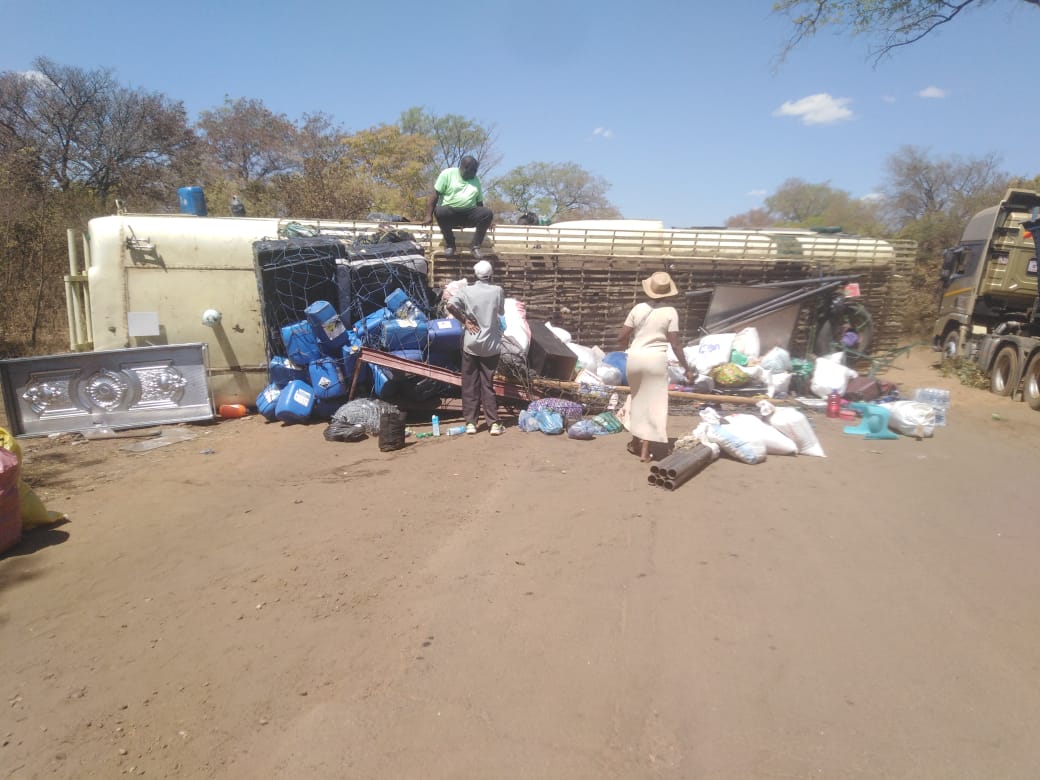
Greenhorse bus overturns along Byo/Vic Falls Road
Raymond Jaravaza, Zimpapers Reporter A 75-seater Greenhorse bus travelling from Bulawayo to Lupane overturned along the Bulawayo-Victoria Falls Road on Thursday, leaving several passengers with minor injuries. No fatalities…