

 admin
admin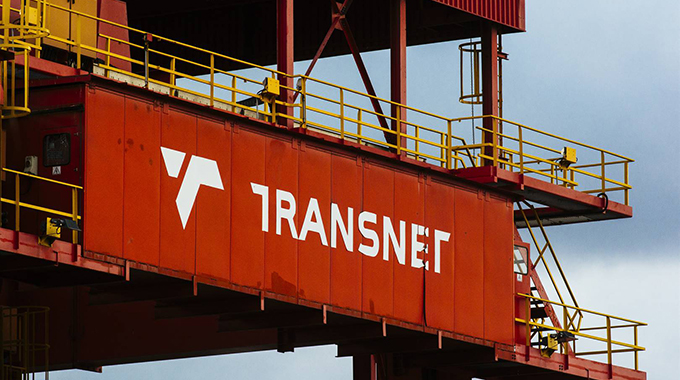
Transnet’s freight rail monopoly is about to end following the publication of a rail network statement that allows private operators access to South Africa’s nearly 21 000 kilometre rail network.
Reform of the country’s rail network has been years in the gestation, but was accelerated in 2023 when cabinet approved the Freight Logistics Roadmap which established the broad outlines of a programme to invite much-needed private participation in the rail sector.
“This is an exciting and significant milestone in the journey towards meaningful rail sector reform in South Africa,” said Business for South Africa (B4SA) in response to the network statement published last week by the Transnet Infrastructure Rail Manager (Trim).
Traxtion, which operates one of the largest private rail fleets in Africa, says this will invite private investment into the rail sector and unlock the bottleneck on job creation and economic growth.
Transnet’s mounting debt of more than R130 billion – nearly half of that the result of state capture – has crippled its ability to invest in upgrades and network maintenance, resulting in freight volumes regressing to levels last seen at the end of World War II.
A draft version of the rail network statement published earlier this year was roundly criticised for proposing unrealistic tariffs that private operators would be expected to pay for use of the network. It also proposed a single tariff for network access instead of the tiered approach requested by private operators.
The latest version corrects this, allowing for differentiated tariffs that are benchmarked to international prices and are in many cases more than 60 percent lower than originally proposed.
“We can thank Transnet for publishing the Network Statement before Christmas. Open access is now a reality on the SA railway network from January 2025,” says Jan Havenga, professor of logistics at Stellenbosch University.
Under the original network statement, the tariffs proposed by Transnet meant it would cost 2,5 times more to use rail than a truck from Cape Town to Johannesburg, an unsustainable pricing structure that would do little to halt the migration of freight from rail to road. Private operators were expected to pay down Transnet’s debt — something they were not prepared to do.
That has now been fixed after consultations with industry experts and private operators. Under the new rules, the allocation of network access falls to the Transnet infrastructure manager, that owns and operates the network, while competition will be refereed by the new transport economic regulator that will come into being following the signing in June this year of the Economic Regulation of Transport Act.
— Moneyweb



 Online Reporter