Online Reporter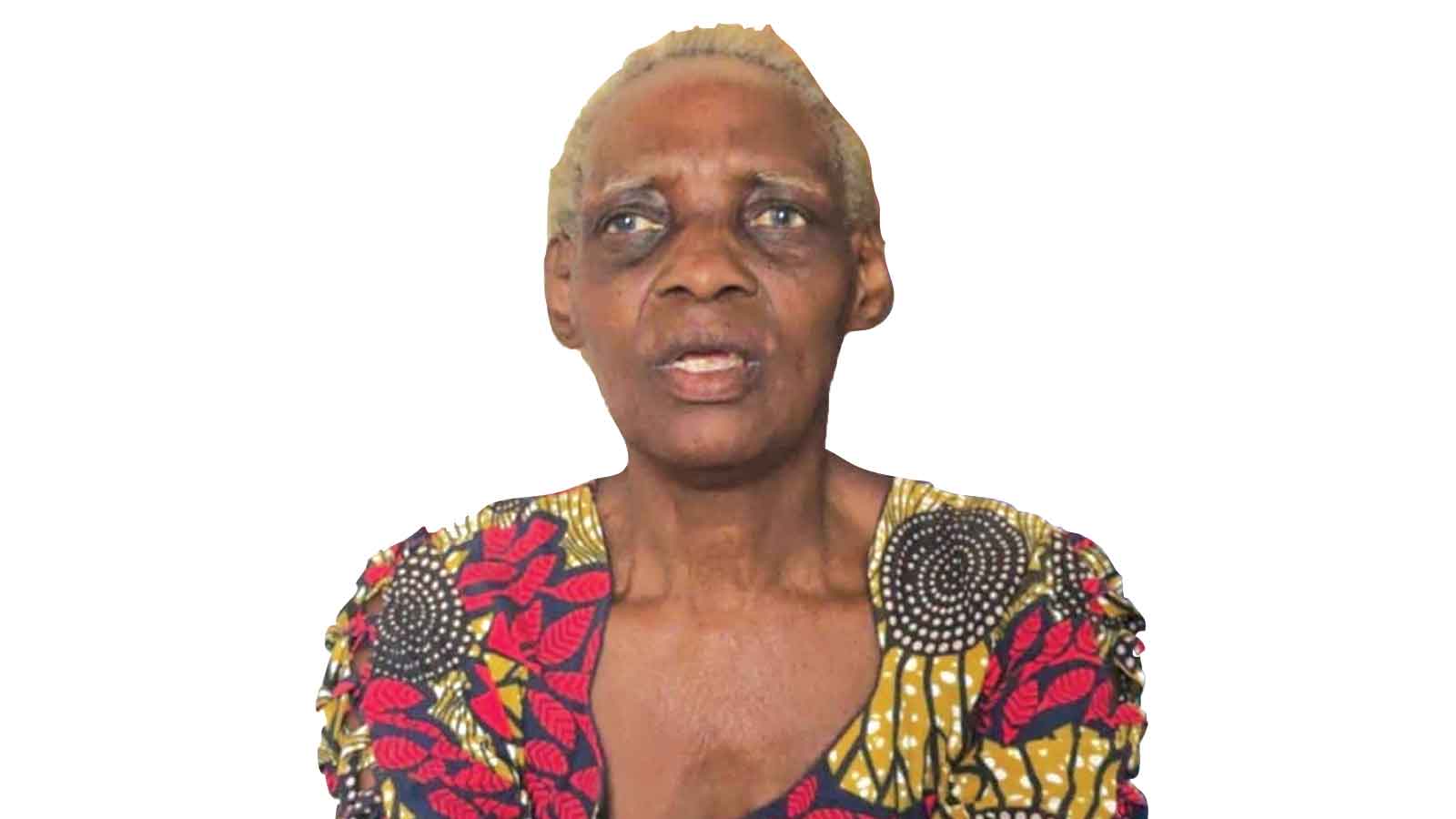
Last week, CDE NANCY MUSIYIWA, whose Chimurenga name was Cde Muchaneta Mabhunu, recounted how her group of recruits narrowly escaped an ambush by enemy soldiers in Mt Darwin. This incident occurred at the beginning of their perilous journey to Zambia in August 1972. She continues chronicling chilling details of the betrayal that led to the ambush to Zimpapers Politics Hub’s Kuda Bwititi.
***************
Q: What happened after you escaped the ambush by enemy forces?
A: The memory is still vivid. After the chaos of the ambush, we ran until our lungs burned. We managed to escape the hail of bullets and reached the nearest settlement, a village known as Chakoma. It was there that we regrouped.
Q: When you finally regrouped at Chakoma, was anyone missing from your group?
A: Miraculously, no. Through the grace of spirit mediums that guided us and the quick thinking of our guides, we all managed to make it to the village to regroup. We did a headcount and confirmed we were still the 29 of us — a fragile group of recruits consisting of 12 females and 17 males. We were young, terrified but alive. In addition, we had the comrades leading us, who were seasoned fighters, including Cdes Saddat, Patrick Mapunzarima and James Bond. They were like our shield.
It was there, in Chakoma village, that the truth came out. We gathered that the village head, Sabhuku Chakoma, had sold us out. He was the traitor who had caused the ambush by enemy forces. He had informed enemy soldiers about our movements and, crucially, about what had happened to my stepfather. His cowardice and betrayal had led the enemy right to us . . .
Q: After finding out that Sabhuku Chakoma was the sellout, what did you do?
A: Initially, he was not there when we went to look for him. Then he came after some time. The comrades, sharp-eyed and battle-hardened, immediately began to interrogate him. They cornered him, demanding, “Where are you coming from?”
He tried to play the fool and portray himself as a loyal supporter of the liberation struggle. He claimed he had gone to the shops to buy cigarettes for the comrades as a gift to welcome us. But our leaders were not easily swayed by sweet words.
They demanded he produce the cigarettes. When he reluctantly brought them out, the air grew heavy. The comrades did not just take them, but they ordered him to smoke one first. It was a test. They needed to ensure the tobacco was not laced with poison, a tactic that the comrades knew was used by traitors.
Q: What made the comrades suspect the cigarettes could be laced with poison?
A: In the bush, trust is a luxury you cannot afford. They wanted to be absolutely certain the cigarettes were safe. As it turned out, their instincts were spot on. Those cigarettes were indeed poisoned.
Sabhuku Chakoma exposed himself in that moment of panic. When the comrades forced him to smoke the cigarette, he hesitated and then claimed his religious beliefs forbade him from smoking, as he was a devoted member of an apostolic sect.
It was a flimsy excuse. Cde Abel Mabhunu (late), a man of steel nerves, saw right through it. He looked at the sabhuku and said, “Since you have refused to smoke this cigarette, now we are going to show you the real cigarette that you are going to smoke.”
In that instant, Cde Abel Mabhunu drew his pistol. It was a heavy, cold piece of steel. I was utterly stunned. It was my very first time seeing a pistol up close. What happened next was the stuff of movies, but the fear was all too real.
The silence in the village was deafening. Cde Abel Mabhunu told Sabhuku Chakoma to open his mouth. The trembling sabhuku complied. With a steady hand, Cde Mabhunu placed the barrel of the pistol directly into the man’s mouth. And then, bang! He shot him right there. I was utterly shocked; frozen in place.
The impact of the gunfire was catastrophic and the force was so great that from the back of his head you could see the flash of the gunfire through the exit wound. He collapsed instantly. He died before he hit the dust. As a young recruit, witnessing such raw violence scared me to my bones. But there was no time to process the trauma. What happened immediately afterwards was another piece of theatre.
Q: What happened in the aftermath of the execution?
A: The comrades rounded up Sabhuku Chakoma’s entire family and every villager present at the time.
They commanded that no one was allowed to mourn. They declared that this was not a time for tears but a time to celebrate.
Q: Why did they decide to make a celebration out of such a violent incident?
A: It was a brilliant, albeit dark, psychological strategy . . . If the village had been allowed to wail and mourn their sabhuku, it would have drawn the attention of enemy forces who had just lost their valuable informant. The enemy would know something had gone wrong and would return with force.
So, it had to appear as if no death had occurred. The village had to look like a party. When we were about to leave, the comrades ordered the people to continue singing traditional songs, loud and joyous, until we were far away.
They warned them that if the singing stopped, they would return to cause even more terror. This strategy ensured the villagers would not quickly alert the enemy forces of Cde Abel Mabhunu’s actions.
We left them there, singing into the night. It was an eerie sound — joyful songs masking a bloody reality. We could hear the faint, haunting melody of their singing echoing through the bush until we finally reached our next destination, Mapata, arriving around 8pm or 9pm.
Next week, Cde Musiyiwa talks about their continued tortuous journey to Zambia.