admin
admin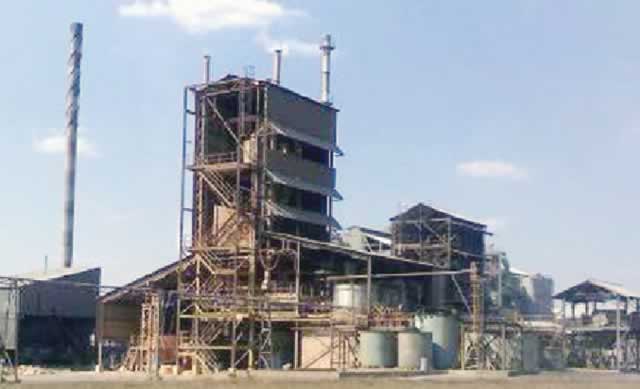
Lovemore Zigara and Prosper Ndlovu Business Reporters
THE country’s sole Ammonium Nitrate (AN) fertiliser manufacturer, Sable Chemicals, has embarked on a feasibility study to exploit Coal Bed Methane (CBM) reserves in Lupane as it seeks to migrate from electrolysis to new technology.
The feasibility study is expected to be completed by June this year after which the Kwekwe-based firm will go to the market to secure funding for the project.
Sable Chemicals chief executive officer Jack Murehwa said if successful, the gas fields would be fully developed to deliver gas to the firm within three years.
“There are arrangements that Sable (Chemicals) should migrate from the current power intensive technology to less power intensive technology based on Coal Bed Methane (CBM). A feasibility study at a cost of $450,000 is currently in progress and the report will be ready by June,” he told Chronicle Business.
“The study looks at the viability of a fertiliser factory that uses CBM as feedstock at Sable connected to the gas fields in Lupane by a pipeline.
“Together with partners, Sable (Chemicals) is working on proving and development of the gas fields in Lupane from where the gas will be piped to Sable (Chemicals). The target is to have the gas fields fully developed to deliver gas to Sable within three years.”
It is envisaged that the discovery of gas and its exploitation would facilitate quick growth of Lupane, the provincial capital of Matabeleland North, into a modern industrial city that would create jobs for hundreds of people.
Given the vast natural resources in the province such as coal, timber, wildlife and the proposed mega investment project like the Gwayi-Shangani Dam and the 600MW power project by China Africa Sunlight Energy, Lupane is ripe for establishment of key processing industries in line with the value addition and beneficiation thrust.
The establishment of Lupane State University at the heart of the province and on-going development works in housing, water and provincial government administration offices, also position Lupane as an emerging industrial hub.
Meanwhile, Sable Chemicals has the potential to produce around 240,000 tonnes of fertiliser per annum but an ageing electrolysis plant that manufactures hydrogen, a key component in the production of ammonia, has had an effect on production.
The existing plant was commissioned in 1972 and has become expensive to run due to a shortage of spare parts, some of which can no longer be manufactured locally.
It also consumes more electricity, which adds more expenses to the firm’s operations.
Sable Chemicals, the company officials say, is expected to produce 100,000 tonnes of fertiliser this year up from an average of 70,000 tonnes last year allaying fears of a shortage of the commodity ahead of the winter wheat cropping season.
This follows injection of working capital by local banks, which have enabled the company to carry out maintenance works at its plant.
Zimbabwe needs about 300,000 tonnes of all types of fertiliser with 40 percent of the commodity being AN.



 Online Reporter